- ISO 9001:2015 Certified Hospital
- starhospitaludaipur@gmail.com
- +919660713450
- +91 9928569121

Arteriovenous Fistula Care in Hemodialysis Patients: Complete Guide for Better Outcomes

How to Identify Nerve Injury and Explore the Best Recovery Options
April 9, 2026
हेमोडायलिसिस रोगियों में धमनी-शिरा फिस्टुला की देखभाल: बेहतर परिणामों के लिए संपूर्ण मार्गदर्शिका
April 13, 2026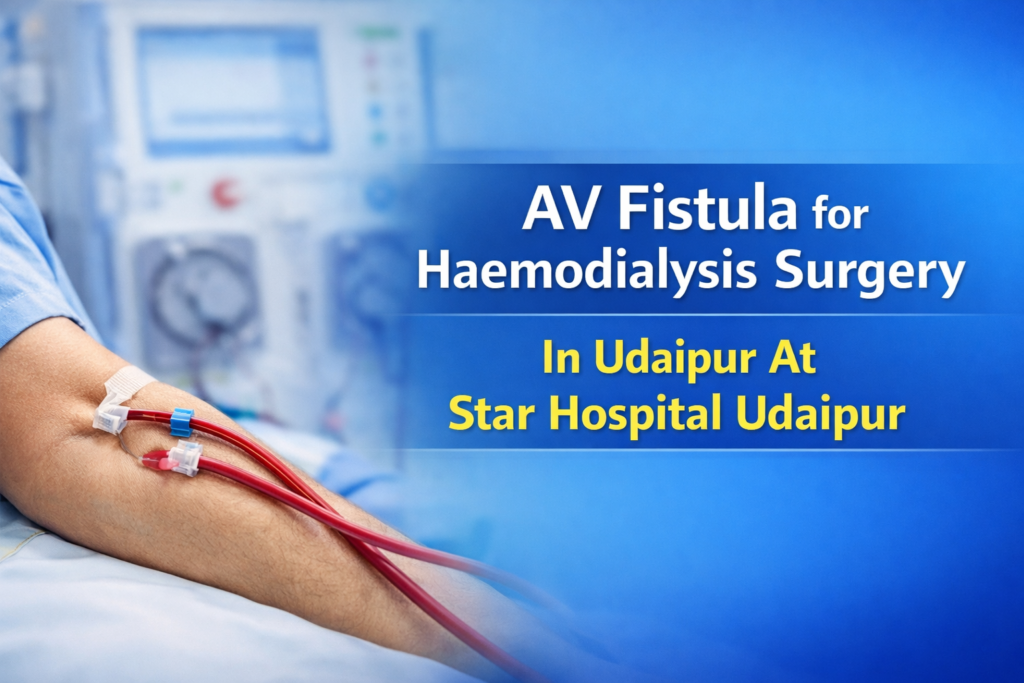
Understanding Arteriovenous (AV) Fistula
An arteriovenous (AV) fistula is a surgically created connection between an artery and a vein, usually in the arm. It is considered the most reliable and long-lasting vascular access for patients undergoing hemodialysis. The main goal of creating an AV fistula is to allow high blood flow, which is necessary for effective dialysis treatment.
Unlike temporary access options such as catheters, an AV fistula uses the patient’s own blood vessels. This reduces the risk of infection and improves long-term outcomes. Because of these advantages, it is often recommended as the first choice for patients with chronic kidney disease who are preparing for dialysis.
Hospitals with experienced surgical teams, such as Star Hospital, focus on creating AV fistulas with precision to ensure durability and fewer complications. Proper planning and patient evaluation play a key role in the success of the procedure.
How Does an AV Fistula Function?
An AV fistula works by redirecting blood flow from an artery directly into a vein. Arteries carry blood at high pressure, while veins usually carry blood at lower pressure. When these two are connected, the vein gradually becomes stronger, thicker, and wider due to the increased blood flow.
This process, known as maturation, allows the vein to handle repeated needle insertions during dialysis sessions. Once matured, the fistula provides a stable and efficient access point where blood can be removed, filtered through a dialysis machine, and returned to the body.
The improved blood flow also ensures that dialysis sessions are more effective, helping remove toxins and excess fluids from the body. This is why a well-functioning AV fistula is critical for maintaining the overall health of patients on long-term dialysis.
What Happens During AV Fistula Surgery?
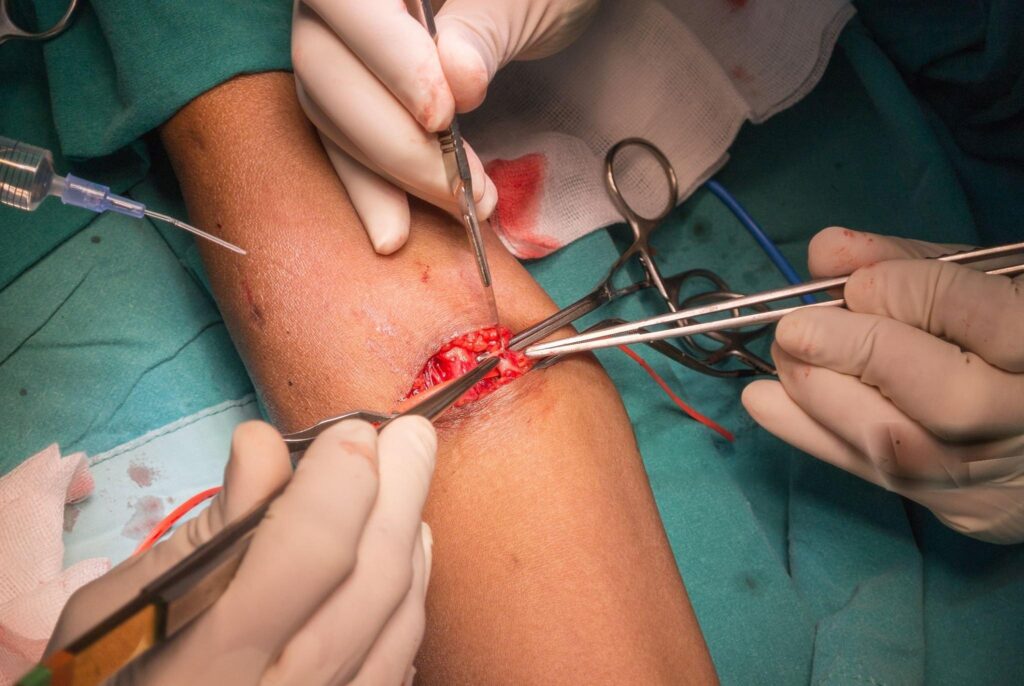
AV fistula surgery is usually a minor procedure performed under local anesthesia. The surgeon identifies suitable blood vessels, typically in the forearm or upper arm, and creates a connection between an artery and a vein.
The procedure generally takes one to two hours, and most patients can go home the same day. Before surgery, doctors evaluate the patient’s blood vessels using imaging tests to ensure that the chosen vessels are suitable for fistula creation.
In some cases, patients may require advanced surgical expertise, especially if their veins are small or damaged. Facilities like at Star Hospital provide access to experienced specialists and advanced techniques, ensuring better surgical outcomes.
For those considering treatment, understanding options such as AV fistula for haemodialysis surgery In udaipur at star hospital udaipur can help in making informed decisions about care and treatment quality.
Care Guidelines After AV Fistula Surgery
Post-surgery care is essential for ensuring that the AV fistula heals properly and functions effectively. Patients should keep the surgical site clean and dry, and avoid heavy lifting or pressure on the affected arm.
Regular monitoring is important. Patients are often advised to check for a “thrill,” which is a vibration felt over the fistula. This indicates that blood is flowing correctly. If the thrill is absent, medical attention should be sought immediately.
It is also important to avoid tight clothing, blood pressure measurements, or injections in the fistula arm. These precautions help prevent damage and ensure long-term usability.
Healthcare providers at Star Hospital emphasize patient education, ensuring individuals understand how to care for their fistula at home. Proper care significantly reduces the risk of complications and improves dialysis efficiency.
How Long Does It Take for an AV Fistula to Mature?
An AV fistula does not become usable immediately after surgery. It requires time to mature, which typically takes between 4 to 12 weeks. During this period, the vein becomes stronger and more suitable for repeated needle insertions.
The maturation time can vary depending on factors such as the patient’s age, overall health, and the condition of their blood vessels. Some patients may require additional procedures to assist in maturation if the fistula does not develop as expected.
Doctors often recommend simple exercises, such as squeezing a soft ball, to help improve blood flow and promote vein development. Regular follow-ups are also necessary to monitor progress and ensure that the fistula is ready for use.
Possible Risks and Complications of an AV Fistula
While AV fistulas are generally safe, they are not completely free from risks. Some of the common complications include infection, blood clots, narrowing of the blood vessels, and reduced blood flow or sometimes blockage.
In rare cases, patients may experience a condition called steal syndrome, where too much blood is diverted away from the hand, leading to pain or numbness. Early detection and treatment are crucial to prevent serious issues.
Regular monitoring and proper care can significantly reduce these risks. Hospitals with specialized departments, such as those offering plastic surgery in udaipur at star hospital udaipur, often provide advanced management options for complex cases, ensuring better patient outcomes.
Is AV Fistula Needling Painful?
Needling is an essential part of hemodialysis, as it allows access to the bloodstream through the fistula. Many patients worry about pain during this process, but most report that the discomfort is manageable and decreases over time.
Experienced dialysis staff use proper techniques to minimize pain. In some cases, topical anesthetics may be applied to numb the area before needle insertion. Patients also tend to adapt to the sensation with repeated sessions.
Good communication between patients and healthcare providers plays a key role in reducing anxiety and improving the overall dialysis experience.
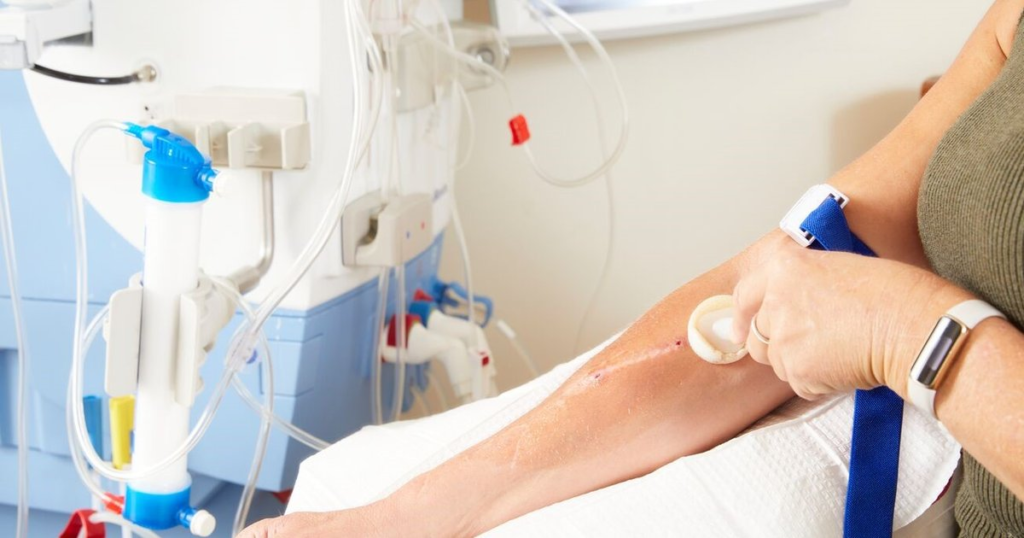
What to Do If There’s Bleeding from the AV Fistula Site
Bleeding from the AV fistula site can occur, especially after dialysis sessions. In most cases, it is minor and can be controlled by applying gentle pressure with a clean cloth or gauze.
However, prolonged or excessive bleeding should not be ignored. It may indicate an underlying issue such as a clotting problem or damage to the fistula. Patients should seek immediate medical attention if bleeding does not stop within a reasonable time.
It is also important to avoid scratching or injuring the fistula area, as this can lead to complications. Proper hygiene and careful handling are essential for maintaining the integrity of the access site.
Final Thoughts
An AV fistula is a lifeline for patients undergoing hemodialysis. Its effectiveness depends not only on the surgical procedure but also on proper care, monitoring, and patient awareness. Understanding how it works, what to expect, and how to manage potential issues can significantly improve treatment outcomes.
Choosing the right healthcare provider also makes a major difference. Institutions like Star Hospital combine skilled medical professionals with patient-focused care, ensuring that individuals receive the best possible support throughout their dialysis journey.
With the right approach, an AV fistula can provide reliable, long-term access for dialysis, helping patients maintain better health and quality of life.