- ISO 9001:2015 Certified Hospital
- starhospitaludaipur@gmail.com
- +919660713450
- +91 9928569121

Understanding Female Sexual Dysfunction: Causes, Symptoms, and Effective Solutions

महिलाओं में यौन समस्याओं को समझना: कारण, लक्षण और असरदार उपाय
June 13, 2026
रिश्तों में आत्मविश्वास और अंतरंग स्वास्थ्य: आत्म-देखभाल के माध्यम से मजबूत संबंध बनाना
June 16, 2026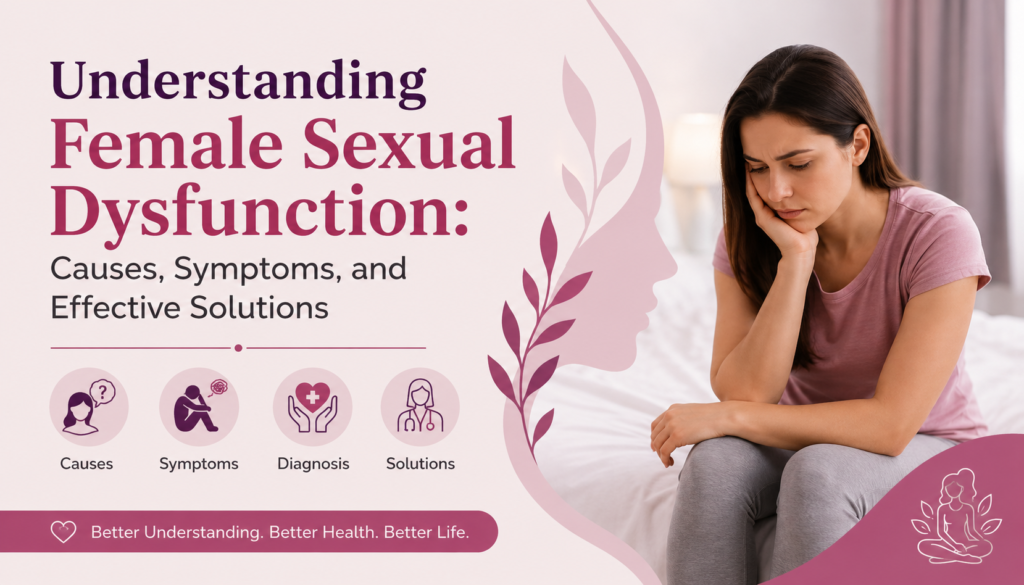
Female sexual health is an important part of overall well-being, yet it is often ignored or not discussed openly. Many women experience changes in desire, comfort, arousal, or satisfaction at some point in life, and these concerns can affect confidence, relationships, and quality of life. Understanding the condition clearly is the first step toward finding the right help. Female sexual dysfunction can happen for many reasons, and in most cases, it is manageable with the right support, care, and treatment. Consulting the best gynecologist in udaipur can help women identify the underlying causes and receive personalized treatment to improve their sexual health and overall quality of life.

What Female Sexual Dysfunction Means
Female sexual dysfunction refers to a group of problems that can affect sexual desire, arousal, orgasm, or comfort during intimacy. It is not a single condition. Instead, it includes different concerns that may appear separately or together. Some women may feel a reduced interest in intimacy, while others may find it difficult to become aroused or may feel discomfort during sexual activity.
Female sexual dysfunction is more common than many people realize. It can happen at any age, though certain life stages such as pregnancy, after childbirth, or around menopause may increase the chances. Emotional health, physical health, hormones, and relationship factors can all play a role.
Common Causes
The causes of female sexual dysfunction are often complex and may involve both physical and emotional factors. In many cases, more than one cause is present at the same time.
Some common causes include:
- Hormonal changes, especially during pregnancy, breastfeeding, or menopause
- Stress, anxiety, depression, or emotional exhaustion
- Certain medications, including some antidepressants and blood pressure medicines
- Chronic illnesses such as diabetes, thyroid problems, or neurological conditions
- Painful conditions that affect the pelvic region
- Poor sleep, fatigue, or low energy levels
- Relationship concerns, lack of communication, or emotional distance
- Past trauma or negative experiences related to intimacy
Physical changes in the body can also affect desire and comfort. For example, reduced estrogen levels may lead to dryness or discomfort, while low testosterone levels can sometimes affect interest and response. Female sexual dysfunction may also develop after surgery, illness, or major hormonal shifts.
Symptoms to Watch For
The symptoms of female sexual dysfunction can vary from one woman to another. Some signs are subtle, while others may significantly affect daily life and relationships.
Common symptoms include:
- Low or no interest in intimacy
- Difficulty becoming aroused
- Reduced sensation or response
- Trouble reaching orgasm
- Pain or discomfort during intimacy
- Emotional distress related to sexual changes
- Avoidance of physical closeness because of fear of discomfort
These symptoms can appear occasionally or persist over time. When they continue and start causing worry, frustration, or relationship strain, it is important to seek medical advice. Female sexual dysfunction should not be ignored simply because it is common. The earlier it is addressed, the easier it may be to improve.
How It Affects Daily Life
Sexual health is closely linked to emotional health, self-esteem, and relationships. When a woman experiences ongoing difficulty, it may affect how she feels about herself and how she connects with her partner. Some women begin to feel guilty, confused, or withdrawn. Others may avoid discussing the issue because of embarrassment or fear of being misunderstood.
Female sexual dysfunction can also lead to stress within a relationship if communication is poor. This is why open and respectful conversation matters. A supportive environment can make it easier to address the issue without blame or shame. In many cases, improving emotional connection is just as important as treating physical symptoms.

Diagnosis and Medical Evaluation
A proper diagnosis begins with a conversation with a qualified doctor or women’s health specialist. The doctor may ask about symptoms, medical history, medications, emotional health, and lifestyle patterns. In some cases, a physical examination or lab tests may be needed to check for hormonal imbalance, infection, diabetes, thyroid issues, or other medical causes.
Female sexual dysfunction is best understood as a health concern, not a personal failure. A careful medical evaluation helps identify what is contributing to the problem. This makes treatment more effective and more specific to the individual.
Effective Solutions and Treatment Options
The good news is that female sexual dysfunction often improves with the right approach. Treatment depends on the cause, the symptoms, and the woman’s overall health.
Some effective solutions include:
- Treating underlying medical conditions
- Adjusting medicines that may be affecting desire or response
- Managing stress and improving mental well-being
- Addressing hormonal changes when needed
- Using counselling or therapy for emotional or relationship concerns
- Improving communication with a partner
- Making healthy lifestyle changes
- Using doctor-recommended products or treatments for comfort
In some cases, hormone-based treatment may help if low estrogen or other hormonal changes are part of the problem. For emotional causes, therapy or counselling can be very helpful. If pain is the main issue, a doctor may suggest specific treatments to reduce discomfort and restore comfort during intimacy.
Female sexual dysfunction is often easier to manage when care is personalized. There is no single solution that works for everyone, which is why professional guidance is important.
Lifestyle Habits That May Help
Healthy daily habits can support sexual well-being and overall health. While lifestyle changes may not solve every problem on their own, they can make a meaningful difference.
Helpful habits include:
- Getting enough sleep
- Eating a balanced and nutritious diet
- Staying physically active
- Reducing stress through relaxation or mindfulness
- Limiting alcohol and avoiding smoking
- Maintaining open communication with a partner
- Seeking help early instead of waiting too long
A healthy lifestyle can improve energy, mood, circulation, and confidence. These factors often support better intimacy and better overall balance. For many women, even small changes can lead to gradual improvement.
When to Seek Help
It is a good idea to speak with a doctor if symptoms last for a long time, cause discomfort, or affect personal well-being. Many women wait too long because they believe the issue is temporary or not important. However, female sexual dysfunction can be treated more effectively when addressed early.
Medical help is especially important if the symptoms are new, severe, linked to pain, or happening after a medical condition, childbirth, or menopause. If emotional distress is involved, professional support can also make a major difference. Seeking help is a sign of self-care, not weakness.

Conclusion
Female sexual health deserves attention, understanding, and care. Female sexual dysfunction can affect desire, comfort, arousal, orgasm, and emotional well-being, but it is not something a woman has to accept without support. With proper diagnosis, honest communication, healthy habits, and the right treatment, many women experience real improvement. Seeking care from a trusted provider offering the best gynecology & cosmetic surgery care in udaipur can help women access advanced treatments and personalized solutions to improve both their physical and emotional well-being.
The most important step is not to stay silent. Female sexual dysfunction can be managed when the cause is identified and the right solution is chosen. By taking the issue seriously and seeking help when needed, women can move toward better comfort, confidence, and quality of life.