- ISO 9001:2015 Certified Hospital
- starhospitaludaipur@gmail.com
- +919660713450
- +91 9928569121

Pubertal Gynecomastia: When Is It Normal and When Should You Worry?

प्यूबर्टल गाइनेकोमैस्टिया: यह कब सामान्य है और आपको कब चिंता करनी चाहिए?
July 11, 2026
आधुनिक महिलाओं के लिए इंटिमेट वेलनेस: एक संपूर्ण स्वास्थ्य गाइड
July 15, 2026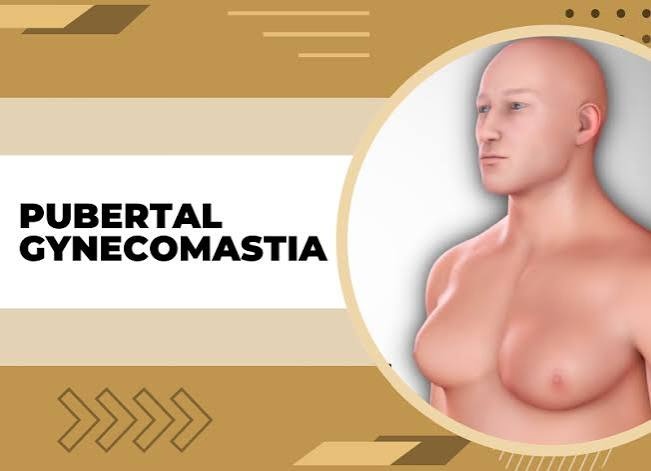
Puberty is a period of significant physical and hormonal changes. While most teenagers expect changes such as increased height, a deeper voice, or the development of facial hair, some boys experience another unexpected change— male breast enlargement which can be treated as male breast reduction (gynecomastia) surgery in udaipur This condition, known as pubertal gynecomastia, is common and usually temporary. However, it can cause anxiety, embarrassment, and confusion for both teenagers and their parents.
Understanding why pubertal gynecomastia happens, when it is considered normal, and when it requires medical attention can help families make informed decisions and reduce unnecessary stress.
What Is Pubertal Gynecomastia?
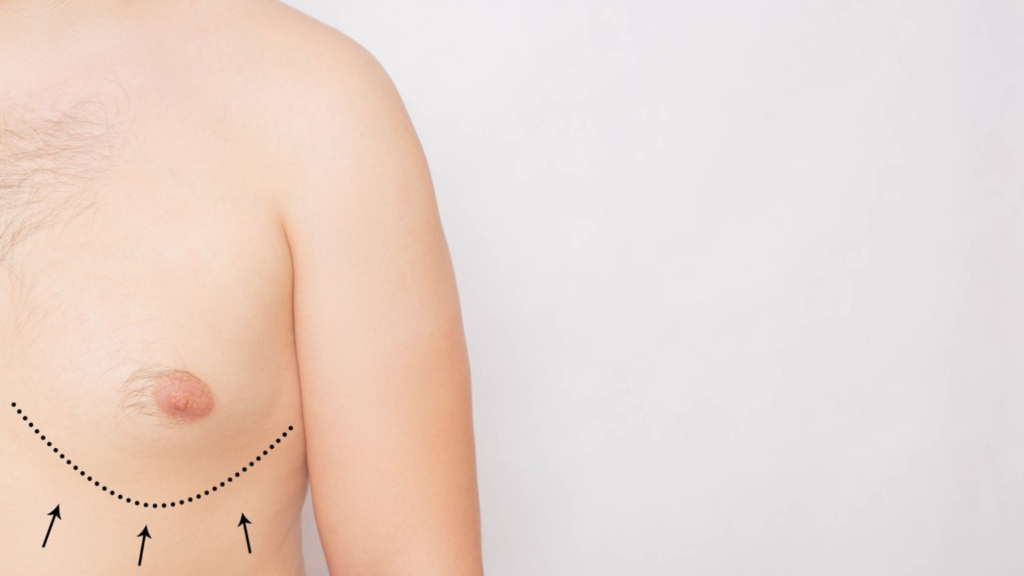
Pubertal gynecomastia is the enlargement of breast tissue in boys during puberty. It occurs because of temporary hormonal changes, particularly an imbalance between estrogen and testosterone. Although estrogen is commonly known as a female hormone, it is naturally present in males in small amounts. During puberty, hormone levels fluctuate, and this temporary imbalance can stimulate the growth of breast tissue.
The condition may affect one breast or both breasts. In some cases, one side may appear larger than the other, which is also considered normal.
How Common Is Pubertal Gynecomastia?
Pubertal gynecomastia is far more common than many people realize. Studies suggest that nearly half of adolescent boys experience some degree of breast enlargement during puberty.
The condition most commonly develops between the ages of 10 and 16 years, with the highest occurrence around 13 to 14 years of age. In most cases, it disappears naturally as hormone levels become balanced.
Why Does It Happen?
The primary reason for pubertal gynecomastia is hormonal fluctuation during adolescence. During puberty, testosterone production increases, but estrogen levels may temporarily rise or have a stronger effect on breast tissue.
Several factors can contribute to this condition, including:
- Temporary hormonal imbalance
- Rapid growth during puberty
- Increased sensitivity of breast tissue to hormones
- Genetic factors
- Body fat distribution
It is important to understand that pubertal gynecomastia is not caused by poor hygiene or lack of exercise.
Signs and Symptoms
Pubertal gynecomastia usually presents as a soft or firm lump beneath the nipple. It may be painless, but some teenagers experience mild tenderness or sensitivity when the area is touched.
Common symptoms include:
- Swelling beneath one or both nipples
- Mild breast tenderness
- Firm glandular tissue under the nipple
- Uneven enlargement between both sides
- Temporary discomfort while exercising or wearing tight clothing
The enlargement usually develops gradually and remains stable before eventually reducing in size.
When Is It Considered Normal?
In most adolescents, pubertal gynecomastia is completely normal and does not require treatment.
The condition is generally considered normal when:
- It appears during the typical age of puberty.
- The enlargement is mild to moderate.
- There are no other unusual symptoms.
- The swelling gradually improves within one to three years.
- The teenager is otherwise healthy.
Parents should remember that patience is often the best approach, as the body naturally corrects the hormonal imbalance over time.
How Long Does Pubertal Gynecomastia Last?
The duration varies from one teenager to another. For most boys, breast enlargement begins to decrease within six months to two years. In many cases, it completely resolves before the age of 18.
Approximately 90 percent of adolescents experience complete resolution without any medical treatment.
When Should You Worry?
Although pubertal gynecomastia is usually harmless, certain warning signs should not be ignored. Medical evaluation is recommended if any of the following occur:
- Rapid enlargement of the breast tissue
- Severe pain or significant tenderness
- Bloody or clear nipple discharge
- A hard, fixed lump that does not move
- Skin changes such as redness or ulceration
- Swollen lymph nodes in the armpit
- Enlargement continuing after puberty
- Symptoms appearing before puberty begins
These signs may indicate another underlying medical condition that requires further investigation.
Conditions That Can Mimic Gynecomastia
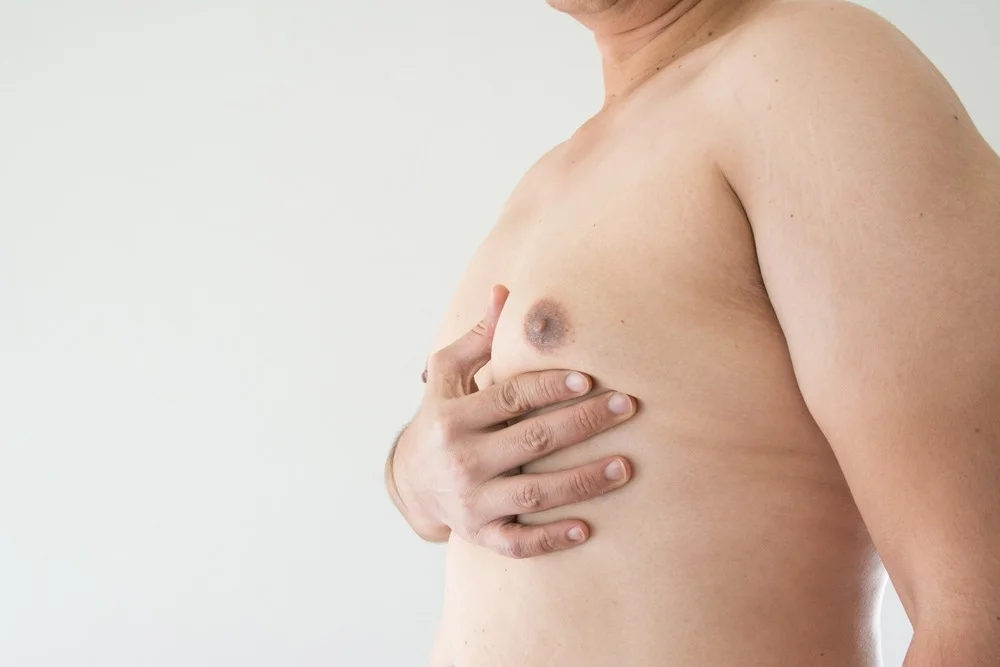
Not every enlarged male breast is true gynecomastia. Some conditions may appear similar but have different causes.
These include:
- Pseudogynecomastia caused by excess fat accumulation
- Hormonal disorders
- Thyroid disease
- Liver disease
- Kidney disease
- Certain medications
- Rare breast tumors
A proper medical examination helps distinguish between these conditions.
How Is It Diagnosed?
Diagnosis usually begins with a detailed medical history and physical examination. The doctor may ask questions about:
- Age at symptom onset
- Family history
- Current medications
- Recent weight changes
- Overall health
- Duration of breast enlargement
In many cases, no additional testing is necessary if the condition appears typical for pubertal gynecomastia.
However, if the symptoms are unusual, the doctor may recommend:
- Blood tests to evaluate hormone levels
- Liver and kidney function tests
- Thyroid function tests
- Ultrasound examination
- Mammography in rare situations
- MRI or CT scan if another condition is suspected
Can Lifestyle Affect Pubertal Gynecomastia?
While hormonal changes are the primary cause, maintaining a healthy lifestyle can support overall well-being during puberty.
Helpful lifestyle habits include:
- Eating a balanced diet
- Maintaining a healthy body weight
- Exercising regularly
- Avoiding anabolic steroids
- Staying away from recreational drugs
- Limiting alcohol consumption in older adolescents
Reducing excess body fat may improve the appearance in boys who have pseudogynecomastia.
Treatment Options
Most teenagers do not require treatment because the condition improves naturally.
Observation
Doctors often recommend regular follow-up visits to monitor progress while allowing the body time to restore hormonal balance.
Medications
Medication is rarely necessary. It may be considered only in selected cases where symptoms are severe, persistent, or causing significant pain.
Surgery
Surgery is generally reserved for boys who continue to have significant breast enlargement after puberty or whose condition causes lasting emotional distress. Surgical treatment removes excess glandular tissue and restores a flatter chest contour.
Emotional and Psychological Impact
Pubertal gynecomastia can affect much more than physical appearance. Many teenagers become self-conscious about their bodies and may avoid activities such as swimming, sports, or changing clothes in front of friends.
Some adolescents experience:
- Reduced self-confidence
- Social withdrawal
- Anxiety
- Embarrassment
- Low self-esteem
Parents should encourage open communication and reassure teenagers that this condition is common and usually temporary. Emotional support from family members can make a significant difference.
Myths About Pubertal Gynecomastia
Several misconceptions surround this condition.
Myth: It always indicates a serious disease.
Fact: Most cases are completely normal during puberty.
Myth: Exercise alone can remove glandular breast tissue.
Fact: Exercise improves overall fitness but cannot eliminate enlarged glandular tissue.
Myth: Every teenager with gynecomastia needs surgery.
Fact: The vast majority recover naturally without surgical treatment.
Myth: It affects only overweight boys.
Fact: Pubertal gynecomastia can occur in boys of any body type.
Tips for Parents
Parents can help their children manage this phase by:
- Staying calm and avoiding unnecessary panic
- Encouraging healthy eating habits
- Promoting regular physical activity
- Listening to emotional concerns
- Scheduling medical evaluation if warning signs appear
- Avoiding unproven home remedies
A supportive environment helps teenagers cope with temporary body changes more confidently.

Conclusion
Pubertal gynecomastia is a common and usually harmless condition that affects many boys during adolescence. In most cases, it results from temporary hormonal changes and resolves naturally without treatment. Understanding what is normal can help reduce anxiety and prevent unnecessary medical interventions.
However, persistent breast enlargement, severe pain, nipple discharge, or unusual lumps should never be ignored. Seeking timely medical advice from the best cosmetic surgeon in udaipur ensures that any underlying health issue is identified early and treated appropriately. With proper guidance, reassurance, and a thorough medical evaluation, most teenagers can navigate this stage confidently and return to normal as puberty progresses. If the condition persists beyond puberty or causes significant physical or emotional discomfort, consulting the best cosmetic surgeon in Udaipur can help determine the most suitable treatment options.