- ISO 9001:2015 Certified Hospital
- starhospitaludaipur@gmail.com
- +919660713450
- +91 9928569121

Childbirth and the Female Body: Changes, Recovery, and Care

बच्चे का जन्म और महिला का शरीर: बदलाव, रिकवरी और देखभाल
July 24, 2026
मूत्र असंयम (Urinary incontinence) के उपचार के विकल्प: मूत्राशय पर दोबारा नियंत्रण पाने की संपूर्ण मार्गदर्शिका
July 29, 2026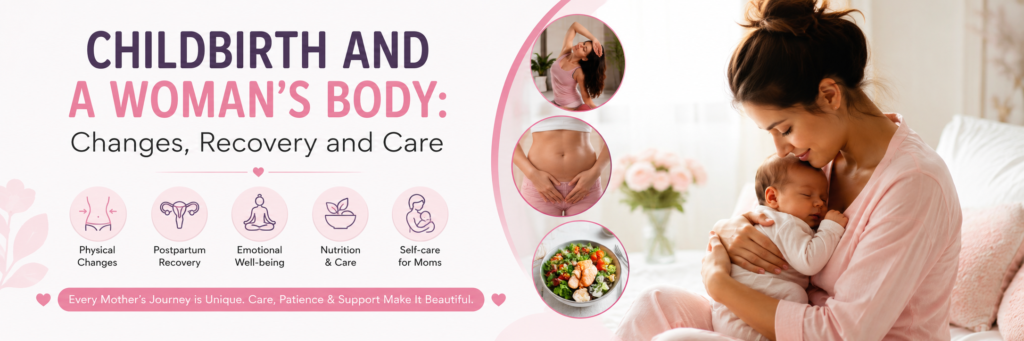
Childbirth is one of the most significant experiences in a woman’s life. It brings joy, transformation, and a deep sense of connection, but it also places major demands on the body. Pregnancy and delivery affect nearly every system, from the reproductive organs to the muscles, hormones, digestion, and emotional well-being. Understanding these changes can help women prepare for recovery and care after birth in a healthier and more confident way. For personalized guidance, timely checkups, and expert postpartum care, consulting the best gynecologist in udaipur at Star Hospital, can help ensure a safe recovery and support a woman’s overall health after childbirth.
The postpartum period is often overlooked, even though it is a crucial phase of healing. Recovery does not happen overnight. The body needs time, rest, nourishment, and support to return to balance. Every woman’s experience is different, and the pace of recovery depends on many factors, including the type of delivery, overall health, sleep, support at home, and whether there were any complications.
Physical Changes After Childbirth
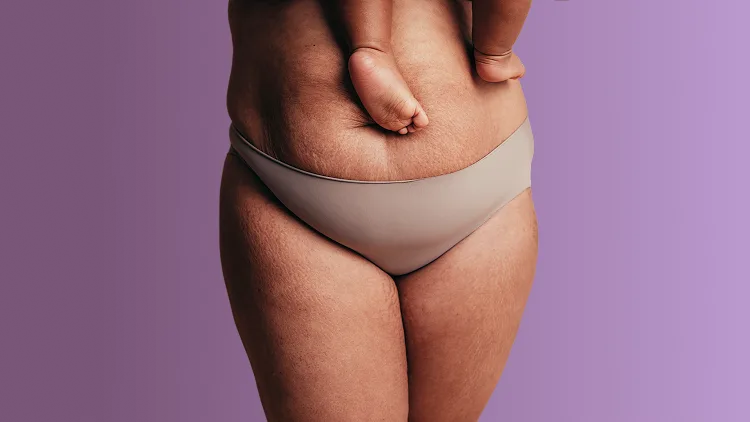
The body goes through many immediate and long-term changes after delivery. Some are visible, while others happen internally. The uterus begins shrinking back to its original size, a process that may take several weeks. Bleeding and discharge are common during this time as the body clears away tissue and heals from delivery.
Hormonal changes are also dramatic. During pregnancy, hormone levels remain high to support the baby. After birth, these levels drop quickly, which can affect mood, energy, skin, appetite, and even hair growth. Many women notice changes in their breasts as milk production begins. Breastfeeding can bring fullness, tenderness, and occasional discomfort, especially in the early weeks.
Other common changes include:
- Abdominal weakness or looseness
- Vaginal soreness or stitches healing
- Pelvic floor fatigue
- Back pain or joint discomfort
- Constipation or digestive changes
- Tiredness from interrupted sleep
- Temporary hair shedding after delivery
These changes are normal for many women, but they should still be monitored carefully. If symptoms feel severe or unusual, medical advice is important.
Emotional and Hormonal Recovery
Childbirth affects emotional health as much as physical health. Many women experience mood changes after delivery because of sudden hormone shifts, exhaustion, and the pressure of caring for a newborn. It is common to feel emotional, tearful, overwhelmed, or anxious during the first days after birth.
Some women experience a mild condition often called the baby blues, which usually improves within a short time. However, ongoing sadness, anxiety, hopelessness, or detachment may signal a more serious postpartum mood disorder that needs support.
Important emotional care after childbirth includes:
- Resting whenever possible
- Talking openly about feelings
- Accepting help from family or friends
- Eating regularly and staying hydrated
- Avoiding self-blame or unrealistic expectations
- Seeking professional support when needed
Emotional recovery is just as important as physical healing. A woman should never feel pressured to “bounce back” too quickly. Healing takes time, and emotional support can make a major difference.
Recovery After Vaginal Birth
Recovery after a vaginal delivery usually involves healing of the vaginal area, perineum, and pelvic muscles. Soreness, swelling, and discomfort are common, especially if tearing or an episiotomy occurred. Sitting, walking, and using the bathroom may feel uncomfortable for a while.
Helpful care after a vaginal birth may include:
- Using cold packs during the first day or two
- Taking warm sitz baths if recommended
- Keeping the area clean and dry
- Drinking enough water
- Using a cushion when sitting
- Doing gentle pelvic floor exercises when approved by a doctor
Pelvic floor muscles may feel weak after delivery. These muscles support the bladder, uterus, and bowel, so rebuilding strength is important. Gentle exercises can help improve control and reduce discomfort over time. Still, exercise should be started only when the body is ready.
Recovery After Cesarean Birth
A Cesarean delivery is major surgery, so recovery usually takes longer than after a vaginal birth. The incision area must heal carefully, and the abdominal muscles need time to regain strength. Pain, tightness, and fatigue are common during the first few weeks.
Care after a Cesarean birth may involve:
- Keeping the incision clean and dry
- Avoiding heavy lifting
- Moving gently to reduce stiffness
- Supporting the abdomen when coughing or standing
- Following medical instructions for pain management
- Watching for signs of infection
Women who have had a cesarean birth may need extra help at home with meals, lifting, and baby care. Rest is especially important because the body is healing from both surgery and childbirth.
Nutrition, Rest, and Daily Care
Good recovery depends heavily on daily care. A nourishing diet helps repair tissues, restore energy, and support milk production if breastfeeding. Sleep may be limited with a newborn, but resting whenever possible can still support healing.
Useful recovery habits include:
- Eating balanced meals with protein, fruits, vegetables, and whole grains
- Drinking enough fluids throughout the day
- Taking prescribed vitamins or supplements if needed
- Sleeping when the baby sleeps, when possible
- Avoiding overexertion
- Asking for practical help with chores and meals
Gentle movement, such as short walks, can improve circulation and help reduce stiffness. However, any exercise routine should be resumed gradually and only after medical approval.
When Medical Attention Is Needed
Most postpartum changes are expected, but some signs require medical attention. Women should not ignore symptoms that seem intense, sudden, or unusual.
Seek medical advice if there is:
- Heavy bleeding that soaks through pads quickly
- Fever or chills
- Severe abdominal pain
- Foul-smelling discharge
- Pain, redness, or swelling near an incision
- Difficulty breathing
- Chest pain
- Severe headache or vision changes
- Strong feelings of sadness, fear, or hopelessness
Early evaluation can prevent complications and provide reassurance. Postpartum checkups are an important part of care, even when everything seems fine.
The Role of Support and Patience
Recovery after childbirth is easier when a woman feels supported. Partners, family members, and friends can help by sharing responsibilities, offering rest time, and listening without judgment. Small acts of support can reduce stress and improve healing.
Patience is also essential. The body has done remarkable work during pregnancy and birth, and it deserves time to recover. Some women heal quickly, while others need longer. Neither path is better than the other. What matters most is safe, steady recovery.
Conclusion
Childbirth changes the female body in many ways, but those changes are part of a natural and powerful process. Physical healing, emotional adjustment, good nutrition, rest, and timely medical care all play a role in recovery. Understanding what to expect after delivery can reduce fear and help women care for themselves with more confidence. In some cases, women may also consider cosmetic surgery care in udaipur like Mommy Makeover to address physical concerns after childbirth. Consulting qualified specialists . an experienced Gynecologist, can help determine the most suitable options based on individual needs and recovery goals.
Every recovery journey is unique. With the right support and attention, the body can heal, strength can return, and the postpartum period can become a time of calm adjustment, growth, and care.