- ISO 9001:2015 Certified Hospital
- starhospitaludaipur@gmail.com
- +919660713450
- +91 9928569121

Can Smoking Cause Infertility? Effects on Male and Female Fertility

क्या धूम्रपान बांझपन का कारण बन सकता है? पुरुष और महिला प्रजनन क्षमता पर प्रभाव
September 3, 2026
योनि कायाकल्प (योनि पुनर्यौवन): लाभ, परिणाम और महिलाओं को क्या उम्मीद करनी चाहिए
September 9, 2026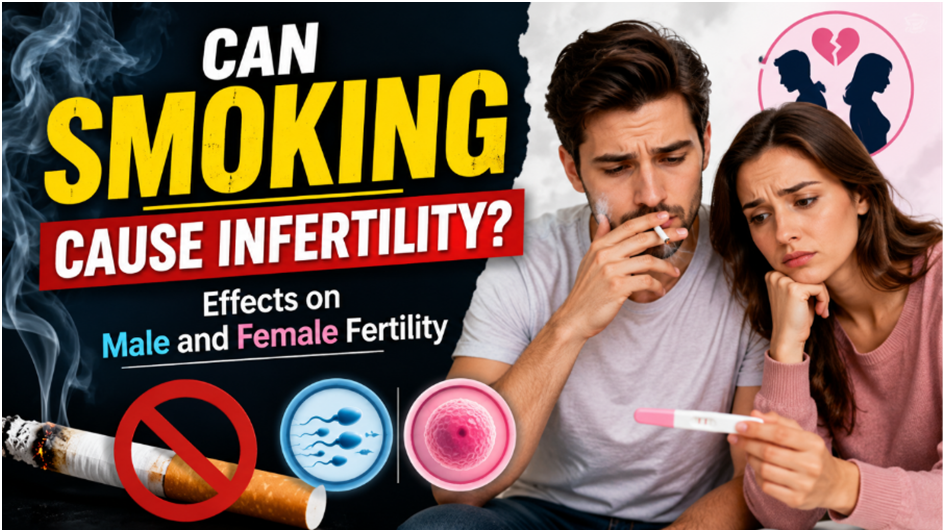
Many couples struggling to conceive often ask their doctor a simple but important question: does smoking cause infertility? Medical research gives a clear answer — yes. Smoking causes infertility in both men and women by damaging reproductive cells, disrupting hormone levels, and lowering overall reproductive health.
At the best infertility clinic in Udaipur , specialists regularly see patients whose fertility struggles are linked to long-term tobacco use. Star Hospital Udaipur works closely with couples to help them understand how everyday habits, including smoking, can quietly affect their chances of becoming parents. This article looks at how smoking causes infertility and what steps can help.
Understanding Smoking and Infertility
Smoking and infertility are closely connected, according to decades of fertility research. Tobacco smoke contains thousands of chemicals, including nicotine, carbon monoxide, and cadmium, all of which interfere with reproductive hormones and damage healthy cell function.
Research consistently shows that smoking causes infertility by reducing egg and sperm quality, delaying natural conception, and increasing the risk of early pregnancy loss.
The link between smoking and infertility is one of the main reasons fertility specialists always ask new patients about their smoking history during the very first consultation, long before any tests are ordered.
Smoking Reproductive Risks in Men
Male fertility is particularly sensitive to tobacco exposure, and the damage often builds up silently over years. Studies show that smoking causes infertility in men through several distinct biological mechanisms. Common effects include:
- Reduced sperm count and poor sperm motility
- Increased DNA fragmentation in sperm cells
- Lower testosterone levels
- Higher rates of erectile dysfunction
- Abnormal sperm shape and structure, which lowers fertilisation ability
These changes may not cause obvious symptoms, which is why many men are unaware their fertility is affected until they begin trying to have a child.

Smoking Reproductive Risks in Women
Women who smoke face equally serious, and sometimes irreversible, reproductive challenges. Medical evidence confirms that smoking causes infertility in women by affecting egg quality, ovarian function, and hormonal balance. Common effects include:
- Damage to eggs and a reduced ovarian reserve
- Earlier onset of menopause
- Higher risk of ectopic pregnancy
- Reduced success rates during IVF treatment
- Increased chances of miscarriage
Because a woman is born with a fixed number of eggs, smoking-related damage to egg quality cannot always be reversed, making early lifestyle changes especially important for women planning a family in the future.
Tobacco Fertility Impact on Conception
The tobacco fertility impact extends well beyond individual reproductive cells; it affects the entire journey toward conception. Couples where one or both partners smoke often take considerably longer to conceive naturally compared to non-smoking couples.
The tobacco fertility impact is also visible during fertility treatments, with lower success rates seen among smokers undergoing procedures such as IUI and IVF.
This is one reason doctors at Star Hospital Udaipur encourage patients to quit smoking well before starting any fertility treatment, since doing so can meaningfully improve treatment outcomes and shorten the time to a successful pregnancy.
Cigarettes and Conception: What Studies Reveal
Extensive research on cigarettes and conception shows a consistent pattern: smokers generally take longer to conceive than non-smokers, and the difference grows with heavier smoking.
Several long-term studies suggest that cigarettes and conception rates are inversely related, meaning that as daily cigarette consumption rises, the chances of natural conception tend to fall.
This growing body of evidence reinforces why smoking-caused infertility remains a major concern for reproductive health experts around the world, and why it is discussed openly during fertility counselling sessions.
Can Quitting Smoking Lower These Risks?
Understanding smoking-related reproductive risks is essential for anyone planning a family, whether they are trying to conceive now or simply thinking ahead.
The encouraging news is that quitting smoking can reverse some of this damage over time, particularly in men, where sperm regenerates roughly every three months.
For women, quitting early can help protect remaining egg quality and improve the body’s natural hormonal balance, both of which support healthier conception and pregnancy outcomes.

Steps to Reduce Fertility Risks from Smoking
Fertility experts generally recommend a combination of lifestyle changes and professional medical support. Since smoking and infertility often go hand in hand, quitting tobacco as early as possible is strongly advised for anyone planning a pregnancy.
Additionally, understanding the impact of tobacco on fertility for both partners, not just one, can help couples make more informed decisions about timing and treatment. For couples already facing difficulty, consulting a fertility specialist about how cigarettes and conception rates are linked can help guide a personalised treatment plan.
Overall, evidence suggests that smoking-related infertility outcomes can often be improved through early intervention, professional guidance, and consistent lifestyle changes.
Conclusion
In conclusion, medical evidence clearly shows that smoking causes infertility in both men and women, affecting sperm quality, egg health, hormonal balance, and the overall chances of conception. Couples trying to start a family should seriously consider quitting smoking as one of the most impactful steps they can take toward better reproductive health.
If you or your partner are facing fertility challenges and are unable to conceive despite trying, the Gynecologist specialists at Star Hospital Udaipur offer comprehensive diagnosis and treatment options tailored to individual needs. Understanding how smoking causes infertility can empower couples to make healthier choices and move forward more confidently on their journey toward parenthood.