- ISO 9001:2015 Certified Hospital
- starhospitaludaipur@gmail.com
- +919660713450
- +91 9928569121

Hysterectomy Surgery: Reasons, Types, Benefits and Recovery

गर्भाशय निकालने की सर्जरी: कारण, प्रकार, लाभ और रिकवरी
October 6, 2026
Cervix Cryo Cautery: Procedure, Benefits and Recovery
October 8, 2026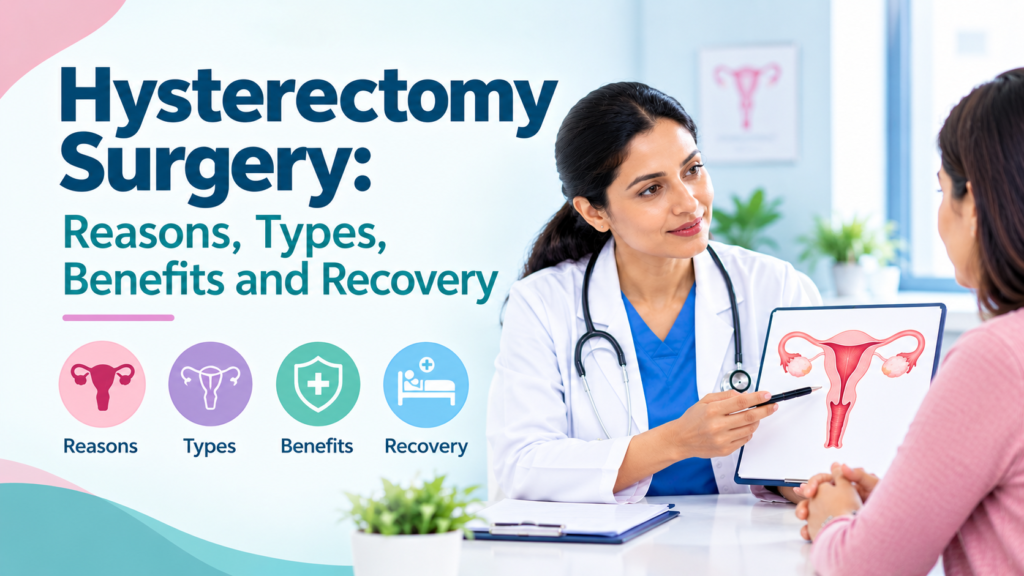
Hysterectomy Surgery is a gynecological operation in which the uterus is removed to treat medical conditions. Depending on the diagnosis, it may be recommended for fibroids, endometriosis, heavy bleeding, uterine prolapse, or some cancers. Understanding the reasons, options, and recovery process can help patients make informed decisions. Star Hospital Udaipur provides gynecological care with evaluation and treatment planning tailored to individual needs.
Choosing treatment depends on symptoms, medical history, age, reproductive plans, and overall health. Patients looking for Hysterectomy Surgery in Udaipur can consult an experienced gynecologist for proper evaluation, treatment planning, and guidance about recovery. Before surgery, patients usually discuss expected benefits, possible risks, and recovery with their gynecologist. This article explains key aspects of Hysterectomy Surgery, including types, preparation, benefits, and recovery, in simple terms.
What Is Hysterectomy Surgery?
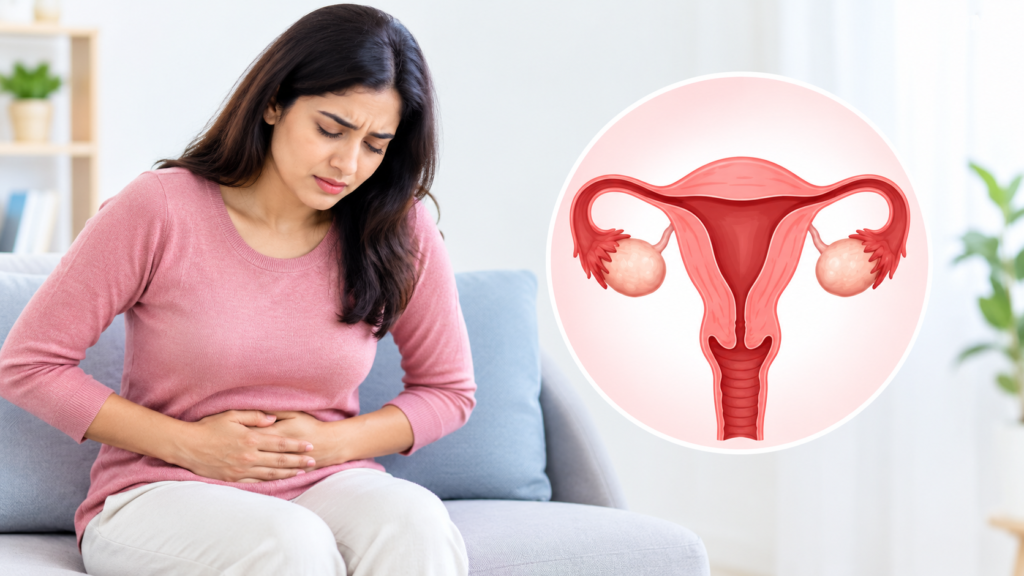
Hysterectomy Surgery is a procedure performed to remove the uterus. The uterus is the reproductive organ where pregnancy develops. Depending on the patient’s condition, the surgeon may remove only the uterus or may also remove the cervix, fallopian tubes, or ovaries. The extent of surgery depends on the medical problem, age, symptoms, and overall health.
A hysterectomy permanently stops menstrual periods and means that pregnancy is no longer possible after the uterus is removed. However, the effect on hormones depends on whether the ovaries are removed. If the ovaries remain, they may continue producing hormones until natural menopause.
Doctors generally recommend this surgery only when other treatments are unsuitable, ineffective, or when the condition requires removal of the uterus. A thorough medical assessment is important before making this decision.
Reasons for Hysterectomy Surgery
There are several medical reasons why a gynecologist may recommend Hysterectomy Surgery. One of the most common reasons is the presence of uterine fibroids, which can cause heavy menstrual bleeding, pelvic pressure, pain, or an enlarged uterus.
Endometriosis may also require surgery when severe symptoms do not improve with medicines or other treatments. Another reason can be adenomyosis, a condition in which tissue similar to the uterine lining grows into the muscular wall of the uterus.
Other possible reasons include:
- Persistent or excessive menstrual bleeding
- Uterine prolapse
- Chronic pelvic pain associated with a uterine condition
- Certain precancerous conditions
- Cancer of the uterus, cervix, or other reproductive organs
- Severe complications related to childbirth in selected situations
The decision should be based on a detailed examination and discussion between the patient and gynecologist. Patients should understand why surgery is being suggested and whether alternatives are available.
Types of Hysterectomy Surgery
Different surgical approaches may be used depending on the condition and the patient’s health.
Total Hysterectomy
A total hysterectomy involves removing the uterus and cervix. It is one of the commonly performed approaches and may be recommended for several benign and malignant gynecological conditions.
Partial or Supracervical Hysterectomy
In this approach, the main part of the uterus is removed while the cervix is retained. Whether this option is appropriate depends on the patient’s condition and the surgeon’s assessment.
Radical Hysterectomy
A radical hysterectomy is generally performed for certain cancers. It involves removing the uterus, cervix, surrounding tissues, and sometimes the upper part of the vagina and nearby lymph nodes.
Hysterectomy with Ovary and Tube Removal
In some cases, the fallopian tubes and one or both ovaries may also be removed. This decision depends on the disease, cancer risk, age, and other medical factors. Removing both ovaries can cause surgical menopause in women who have not yet reached natural menopause.
Hysterectomy Procedure: How Is It Performed?
The hysterectomy procedure can be performed through different surgical methods. The choice depends on the size and condition of the uterus, the underlying disease, previous surgeries, and the surgeon’s recommendation.
An abdominal approach involves making an incision in the lower abdomen. It may be suitable when the uterus is enlarged or when extensive surgery is required.
A vaginal approach involves removing the uterus through the vagina. It does not require a large abdominal incision and may provide a shorter recovery for suitable patients.
Laparoscopic or robotic-assisted surgery uses small abdominal incisions and specialized instruments. These minimally invasive techniques may result in less postoperative discomfort and smaller scars compared with traditional open surgery in appropriately selected patients.
Before surgery, patients usually undergo examinations, blood tests, imaging, and other assessments as advised. The surgical team also reviews medications, allergies, and existing medical conditions.
Benefits of Hysterectomy Surgery
The main benefit of Hysterectomy Surgery is that it can provide definitive treatment for certain uterine conditions. For patients experiencing severe bleeding caused by fibroids or other uterine problems, removing the uterus can permanently stop menstrual bleeding.
It may also relieve symptoms such as pelvic pressure and pain when these symptoms are caused by the condition being treated. In selected cases of cancer, surgery can be an important part of comprehensive cancer treatment.
For some women, successful treatment can improve daily comfort, physical functioning, and quality of life. However, the benefits vary according to the underlying condition and the individual’s health.
It is important to remember that surgery also has potential risks. These can include bleeding, infection, blood clots, injury to nearby organs, reactions to anesthesia, and complications related to healing. Your doctor can explain the risks that are most relevant to your situation.
Uterus Removal Surgery and Recovery
Uterus Removal Surgery requires a recovery period that varies depending on the surgical approach and individual health. Minimally invasive procedures often allow patients to return to normal activities sooner than open abdominal surgery, although recovery times differ.
During the first few days, patients may experience tiredness, mild abdominal discomfort, bloating, or changes in bowel and bladder habits. Doctors may prescribe pain medicines and provide instructions for wound care and physical activity.
Patients should generally avoid heavy lifting and strenuous exercise until their doctor confirms that these activities are safe. Sexual intercourse and the use of tampons may also need to be avoided for a specified period while tissues heal.
A follow-up appointment helps the medical team assess healing and address concerns. Patients should contact their healthcare provider if they experience heavy bleeding, fever, increasing pain, unusual discharge, breathing difficulty, or other concerning symptoms.
Recovery After Hysterectomy
Recovery after Hysterectomy Surgery is different for every patient. The length of recovery depends on whether the operation was abdominal, vaginal, laparoscopic, or robotic-assisted.
Maintaining adequate nutrition, drinking fluids as advised, taking prescribed medicines, and gradually increasing activity can support recovery. Patients should follow all postoperative instructions carefully rather than returning to normal activities too quickly.
Emotional recovery is also important. Some women may experience mixed emotions after the operation, particularly if they had hoped to become pregnant in the future or if the surgery was performed because of a serious illness. Talking openly with a doctor, partner, family member, or counselor can be helpful.
Hormonal changes may occur if both ovaries are removed. Symptoms can include hot flashes, sleep problems, mood changes, and vaginal dryness. Doctors may discuss appropriate management options based on age, medical history, and individual needs.

When Should You Talk to a Gynecologist?
Persistent heavy bleeding, severe pelvic pain, pressure, irregular periods, or symptoms of uterine prolapse should not be ignored. A gynecologist can determine the underlying cause through medical history, physical examination, ultrasound, blood tests, or other investigations.
Not every patient with fibroids, bleeding, or pelvic pain needs surgery. Medicines, hormonal treatments, minimally invasive procedures, and other approaches may be considered depending on the diagnosis.
If surgery is recommended, patients should ask about the purpose of the operation, available alternatives, surgical approach, expected recovery period, possible complications, and how the procedure may affect reproductive and hormonal health.
For women considering Uterus Removal Surgery, an individualized consultation is essential because treatment decisions depend on the specific medical condition and personal circumstances.
Conclusion
Hysterectomy Surgery can be an effective treatment for several serious or persistent gynecological conditions when other options are not appropriate. Understanding the reason for surgery, available surgical approaches, potential benefits, risks, and recovery expectations can help patients make informed decisions. Every case is different, so treatment should be planned after a detailed consultation with a qualified and experienced gynecologist. Star Hospital Udaipur focuses on individualized gynecological evaluation and treatment planning, helping patients understand their options and prepare for appropriate care.
Frequently Asked Questions About Hysterectomy Surgery
1. What is the main purpose of hysterectomy surgery?
The main purpose is to treat certain conditions affecting the uterus, such as fibroids, severe bleeding, uterine prolapse, endometriosis-related problems, or some cancers. The recommendation depends on the patient’s diagnosis and response to other treatments.
2. Is hysterectomy a major surgery?
Yes, it is a major gynecological operation, although the recovery and surgical experience can vary depending on the approach. Laparoscopic and vaginal techniques may have different recovery patterns compared with abdominal surgery.
3. Can a woman become pregnant after hysterectomy?
No. After the uterus is removed, pregnancy cannot be carried because there is no uterus for implantation and fetal development. Women who wish to preserve fertility should discuss alternative treatment options before surgery.
4. How long does recovery take after hysterectomy?
Recovery varies according to the surgical technique, overall health, and individual healing. Some minimally invasive procedures may allow a quicker return to daily activities, while abdominal surgery generally requires a longer recovery.
5. Does hysterectomy always cause menopause?
No. If the ovaries are retained, they may continue producing hormones until natural menopause. If both ovaries are removed, surgical menopause can occur, leading to hormonal changes that may require medical management.