- ISO 9001:2015 Certified Hospital
- starhospitaludaipur@gmail.com
- +919660713450
- +91 9928569121

Dilatation and Curettage (D&C): Preparation and Recovery Tips

घाव पर टांके लगाना: उपचार और रिकवरी की संपूर्ण जानकारी
October 15, 2026
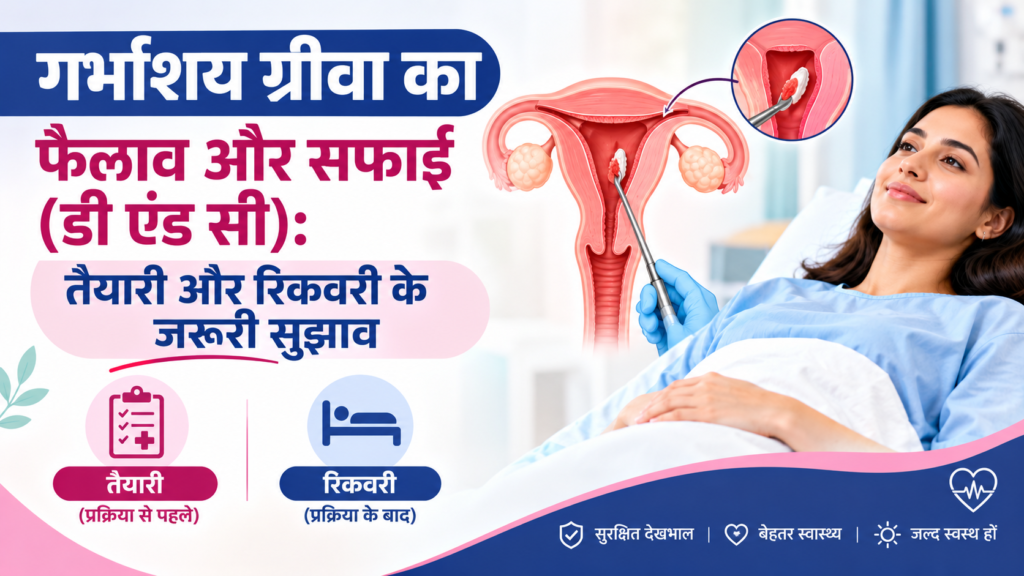
गर्भाशय ग्रीवा का फैलाव और सफाई (डी एंड सी): तैयारी और रिकवरी के जरूरी सुझाव
October 19, 2026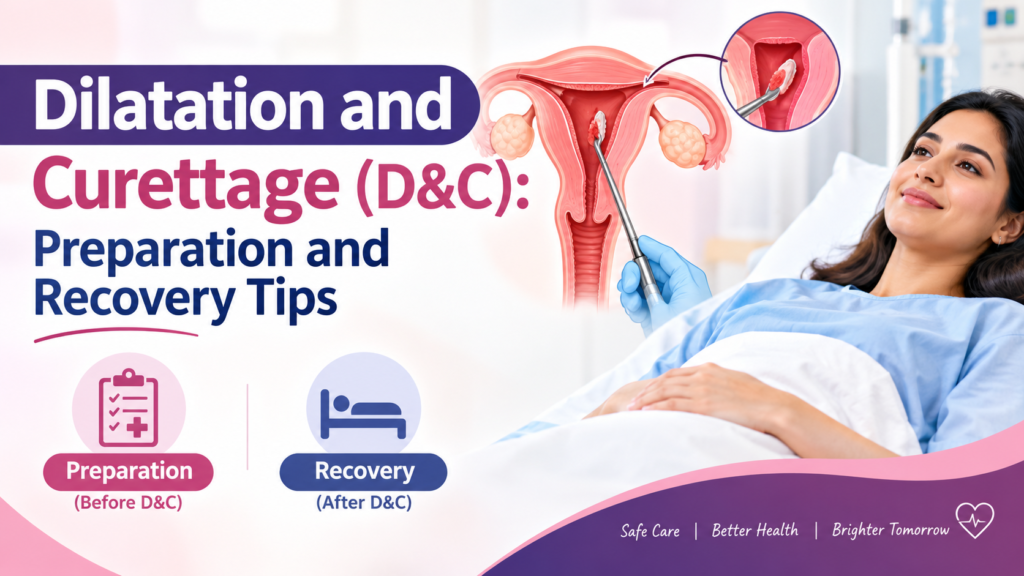
Dilatation and Curettage (D&C) is a medical procedure used to remove tissue from inside the uterus for diagnostic or therapeutic purposes. It may be recommended to investigate abnormal uterine bleeding, manage certain pregnancy-related complications, or obtain tissue for laboratory examination. Although the procedure is commonly performed, understanding its purpose, preparation requirements, and recovery process is important for making informed healthcare decisions. At Star Hospital Udaipur, women looking for the best gynecologist in Udaipur can seek professional consultation to understand their symptoms, available investigations, and appropriate treatment options based on their individual medical needs.
For many women, undergoing a uterine procedure may raise questions about discomfort, anaesthesia, possible risks, and the time required for recovery. Learning what happens before, during, and after treatment can help reduce uncertainty and support better preparation. This guide explains the procedure, its common indications, essential precautions, expected recovery, and warning signs that require timely medical attention.
Read More:Cervix Cryo Cautery: Procedure, Benefits and Recovery
What Is Dilatation and Curettage (D&C)?
Dilatation and Curettage (D&C) is a procedure in which the cervix, the lower opening of the uterus, is gently widened to allow the removal of tissue from the uterine cavity.
The removed tissue may be examined in a laboratory to identify the possible cause of certain symptoms. In other situations, the procedure is performed to manage a specific medical concern.
Depending on the clinical indication, tissue may be removed using a curette or suction instrument. The technique is selected according to the patient’s condition and the purpose of treatment.
Why Is Dilatation and Curettage (D&C) Recommended?
Doctors may recommend this procedure for several diagnostic and therapeutic reasons.
Common indications include:
- Investigating abnormal or unusually heavy uterine bleeding.
- Evaluating bleeding after menopause.
- Collecting endometrial tissue for laboratory examination.
- Managing selected cases of incomplete miscarriage.
- Removing retained pregnancy-related tissue when clinically necessary.
- Addressing certain complications following pregnancy.
Not every patient experiencing these conditions requires surgery. Alternative investigations or treatments may be more appropriate depending on medical findings.
A gynecologist generally reviews the patient’s symptoms, ultrasound findings, medical history, and individual circumstances before recommending treatment.

Understanding D&C Procedure Preparation
Appropriate D&C procedure preparation helps patients understand the treatment process and follow important safety instructions.
Before the procedure, the healthcare team may conduct a physical examination and recommend relevant investigations.
Patients should inform their doctor about existing medical conditions, allergies, pregnancy possibility, and medications, particularly blood-thinning medicines.
Important Steps Before the Procedure
Medical Consultation: Discuss the reason for treatment, expected benefits, possible risks, and available alternatives.
Medication Review: Inform the doctor about prescription medicines, supplements, and previous reactions to anaesthesia.
Fasting Instructions: Follow the hospital’s specific guidance regarding eating and drinking if sedation or general anaesthesia is planned.
Transportation Arrangements: Arrange for someone to accompany you home if medication or anaesthesia may affect alertness.
Informed Consent: Ask questions and understand the recommended procedure before providing consent.
Following the doctor’s personalised D&C procedure preparation instructions can help minimise avoidable complications.
How Is the Procedure Performed?
Dilatation and Curettage (D&C) is generally performed in a hospital or appropriately equipped medical facility.
The patient receives suitable pain management or anaesthesia based on the clinical situation.
A speculum is inserted to allow access to the cervix. The cervix is then gradually dilated using appropriate medical instruments.
Once access to the uterine cavity is established, the doctor removes the required tissue using suction or a curette.
The procedure itself is often relatively brief, although preparation and post-procedure observation require additional time.
Some patients may undergo hysteroscopy alongside the procedure when direct visual examination of the uterine cavity is necessary.
What to Expect Immediately After Treatment
Following Dilatation and Curettage (D&C), patients are monitored while recovering from anaesthesia or sedation.
Mild abdominal cramping, light vaginal bleeding, or spotting may occur during the initial recovery period.
Some women also experience temporary tiredness, nausea, or dizziness associated with anaesthesia.
The healthcare team provides discharge instructions covering medication, hygiene, activity restrictions, and follow-up appointments.
Patients should avoid driving immediately after sedation or general anaesthesia and follow the medical team’s specific advice.
Recovery After D&C Surgery: Essential Care Tips
Recovery after D&C surgery varies depending on the reason for treatment, the technique used, anaesthesia, and individual health conditions.
Many women can gradually resume light activities within a day or two, although complete recovery experiences differ.
1. Get Adequate Rest
Rest during the initial recovery period and avoid strenuous activities until your healthcare provider advises otherwise.
2. Manage Mild Discomfort
Temporary cramping may occur. Take only the pain-relieving medicines recommended by your doctor.
3. Monitor Vaginal Bleeding
Light bleeding or spotting can be expected. Use sanitary pads to monitor the amount of bleeding and follow instructions regarding tampons and other vaginal products.
4. Follow Hygiene Instructions
Maintain normal personal hygiene and follow any specific advice about bathing, sexual intercourse, and vaginal care.
5. Attend Follow-Up Appointments
Follow-up consultations help the doctor assess recovery and discuss laboratory findings when tissue examination has been performed.
Understanding Recovery after D&C surgery also involves recognising that emotional recovery may take longer, particularly when the procedure follows pregnancy loss.
Possible Risks and Complications
Although Dilatation and Curettage (D&C) is generally considered a safe procedure when appropriately performed, complications can occasionally occur.
Potential risks include:
- Excessive bleeding.
- Infection.
- Injury to the cervix.
- Uterine perforation.
- Complications associated with anaesthesia.
- Rare formation of scar tissue inside the uterus, known as intrauterine adhesions.
The likelihood of complications depends on several factors, including the clinical indication and the patient’s medical condition.
Discussing individual risks with the treating doctor is an important part of informed decision-making.
Warning Signs That Require Immediate Medical Attention
After Dilatation and Curettage (D&C), patients should seek prompt medical evaluation if they experience:
- Heavy bleeding that rapidly soaks sanitary pads.
- Severe or worsening abdominal pain.
- Fever or chills.
- Foul-smelling vaginal discharge.
- Persistent dizziness or fainting.
- Symptoms that become progressively worse instead of improving.
These symptoms may indicate a complication requiring timely assessment.

When Will Menstruation Return?
The timing of the next menstrual period depends on the reason for treatment and individual hormonal changes.
Following a pregnancy-related procedure, menstruation may take several weeks to return.
Ovulation can occur before the first menstrual period, so patients should discuss contraception or future pregnancy planning with their doctor when relevant.
Those experiencing persistent menstrual irregularities, unusual bleeding, or ongoing discomfort should arrange a follow-up consultation.
Conclusion
Dilatation and Curettage (D&C) can be an important diagnostic or therapeutic option for selected uterine and pregnancy-related conditions. Understanding the recommended treatment, following preparation instructions, and recognising normal recovery symptoms can help patients approach the procedure with greater confidence.
Timely follow-up and awareness of warning signs are equally important for safe recovery. If you are looking for a trusted women’s hospital Udaipur, Star Hospital Udaipur offers professional gynecological consultation for individual assessment, appropriate treatment recommendations, and post-procedure care based on specific healthcare needs .
Dilation and Curettage is a day care procedure and most of the patients are discharged in a few hours only.
FAQs About Dilatation and Curettage (D&C)
1. What is the D&C procedure?
It is a medical procedure in which the cervix is dilated to remove tissue from inside the uterus.
2. How long does a D&C procedure take?
The procedure usually takes around 10–20 minutes, although preparation and monitoring require additional time.
3. How long does recovery take after D&C?
Most women can resume light daily activities within one or two days.
4. Is bleeding normal after D&C?
Yes, mild bleeding or spotting may occur for a few days. Contact your doctor if you experience heavy bleeding.
5. When will periods return after D&C?
Menstruation may return within 4–6 weeks, depending on individual health conditions.