- ISO 9001:2015 Certified Hospital
- starhospitaludaipur@gmail.com
- +919660713450
- +91 9928569121

Common Myths and Facts About Reconstructive Surgery After Cancer

कैंसर के बाद रिकंस्ट्रक्टिव सर्जरी से जुड़े आम मिथक और सच्चाई
March 26, 2026
Complete Guide to Finger and Hand Injuries: Signs, Causes, and Treatment Options
March 27, 2026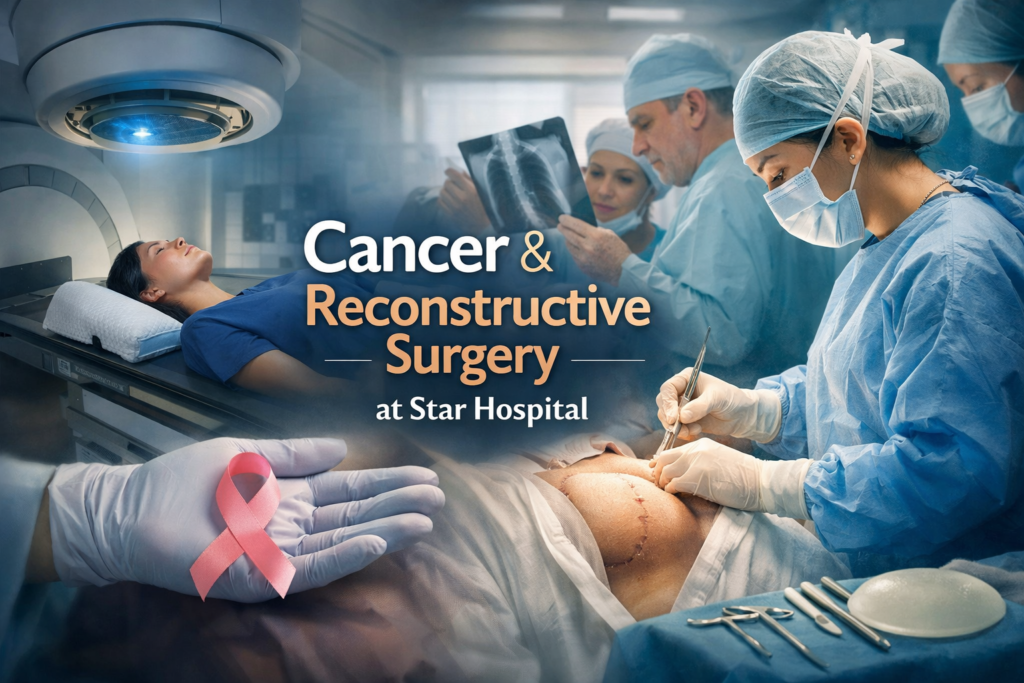
Reconstructive surgery after cancer plays a vital role in restoring both physical appearance and emotional confidence. After undergoing cancer treatments such as surgery, chemotherapy, or radiation, many patients experience changes in their body that can impact their self-esteem and quality of life. Reconstructive procedures help rebuild affected areas, offering patients a chance to regain normalcy. However, despite its benefits, there are several myths surrounding this field that often create confusion and fear. Understanding the truth behind these misconceptions is essential for making informed decisions.
When considering Cancer and Reconstructive Surgery at Star Hospital in Udaipur patients can access advanced medical care, expert surgeons, and personalized treatment plans designed to restore both function and confidence after cancer recovery.

Understanding the Purpose of Reconstructive Surgery
Reconstructive surgery is not merely about aesthetics; it is a medically important procedure aimed at restoring function and structure. Whether it involves breast reconstruction after mastectomy, facial reconstruction after tumor removal, or skin grafting, the goal is to improve both physical and psychological well-being.
The primary purpose is to restore normal function, improve appearance, and enhance confidence after cancer treatment.
Myth 1: Reconstructive Surgery Is Only Cosmetic
One of the most common misconceptions is that reconstructive surgery is purely cosmetic. This is not true.
Fact: Reconstructive surgery focuses on repairing damage caused by cancer treatments. It helps restore essential body functions such as speaking, eating, or movement, depending on the affected area. Cosmetic improvement is just one part of the overall benefit.
Myth 2: You Must Have Surgery Immediately After Cancer Treatment
Many people believe that reconstructive surgery must be done immediately after cancer surgery.
Fact: While some procedures can be performed at the same time as cancer surgery (immediate reconstruction), others are done later (delayed reconstruction). The timing depends on the patient’s health, type of cancer, and treatment plan.
Patients should always consult their doctor to determine the safest and most suitable timing.
Myth 3: Reconstructive Surgery Is Risky and Unsafe
Fear of complications often discourages patients from considering reconstruction.
Fact: Like any surgical procedure, reconstructive surgery carries some risks, but advancements in medical technology have made it much safer. Skilled surgeons use modern techniques to minimize complications and ensure better outcomes.
Proper medical evaluation and choosing an experienced surgeon significantly reduce risks.
Myth 4: Reconstruction Can Cause Cancer to Return
This is a major concern for many cancer survivors.
Fact: Reconstructive surgery does not increase the risk of cancer recurrence. It is a separate procedure that focuses on restoring the body after cancer treatment.
Regular follow-ups and monitoring remain essential regardless of reconstruction.
Myth 5: Results Look Unnatural
Some patients worry that reconstructed body parts will not look natural.
Fact: Modern reconstructive techniques aim to achieve natural-looking results. Surgeons carefully plan procedures to match the patient’s body shape and features.
In many cases, the results are so natural that it becomes difficult to notice the difference.
Benefits of Reconstructive Surgery After Cancer
Reconstructive surgery offers multiple benefits beyond physical restoration.
- Improves body image and self-confidence
- Restores normal body functions
- Helps in emotional recovery after cancer
- Enhances overall quality of life
- Reduces the psychological impact of cancer treatment
These benefits make reconstructive surgery an important step in the healing journey.

Types of Reconstructive Procedures Available
There are various types of reconstructive surgeries depending on the area affected.
- Breast Reconstruction: After mastectomy or lumpectomy
- Facial Reconstruction: After removal of tumors in the face or neck including nose ,cheek, eyelids, lips ear etc
- Skin Grafting: For repairing and covering damaged skin
- Limb Reconstruction: To restore mobility and function
- Microsurgery: Advanced technique for precise tissue transfer
Each procedure is customized based on the patient’s condition and needs.
Emotional and Psychological Impact
Cancer not only affects the body but also takes a toll on mental health. Reconstructive surgery helps patients feel more like themselves again.
It plays a crucial role in boosting confidence, reducing anxiety, and improving emotional well-being.
Patients often report feeling more positive and motivated after undergoing reconstruction.
Choosing the Right Plastic and ReconstructiveSurgeon and Treatment Plan
Selecting the right medical professional is essential for successful results.
- Look for a qualified and experienced Plastic and reconstructive surgeon
- Discuss all available options in detail
- Understand the risks and benefits clearly
- Review before-and-after cases if possible
- Ensure proper post-surgery care and follow-up
A well-informed decision leads to better outcomes and higher satisfaction.
Recovery and Aftercare Process
Recovery from reconstructive surgery varies depending on the type of procedure.
- Follow all medical instructions carefully
- Maintain a healthy diet for faster healing
- Avoid strenuous activities during recovery
- Attend regular follow-up appointments
Proper aftercare is essential for achieving the best results and avoiding complications.
Breaking the Stigma Around Reconstructive Surgery
Despite its benefits, many people hesitate due to social stigma and lack of awareness.
Educating patients and spreading awareness can help break these myths and encourage more individuals to consider reconstruction as a part of their recovery journey.
Open discussions and support from family and healthcare professionals play a key role in overcoming hesitation.

Conclusion
Reconstructive surgery after cancer is a powerful tool that helps patients rebuild their lives. By understanding the common myths and facts, individuals can make informed choices without fear or confusion. For those seeking expert care, Plastic Surgery in Udaipur at Star Hospital in Udaipur offers advanced solutions to restore both appearance and confidence after cancer treatment.
It is not just about restoring appearance, but about restoring confidence, function, and hope.
With the right guidance, advanced medical techniques, and proper care, reconstructive surgery can significantly improve the quality of life for cancer survivors.
If you or your loved ones are considering reconstructive surgery, consult a qualified specialist to explore the best options and take a confident step towards recovery.