- ISO 9001:2015 Certified Hospital
- starhospitaludaipur@gmail.com
- +919660713450
- +91 9928569121

Facial Fractures Explained: Treatment Options and When Surgery Is Necessary

11 Key Things to Understand Before Breast Lift Surgery
March 25, 2026ब्रेस्ट लिफ्ट सर्जरी से पहले जानने योग्य 11 जरूरी बातें
March 25, 2026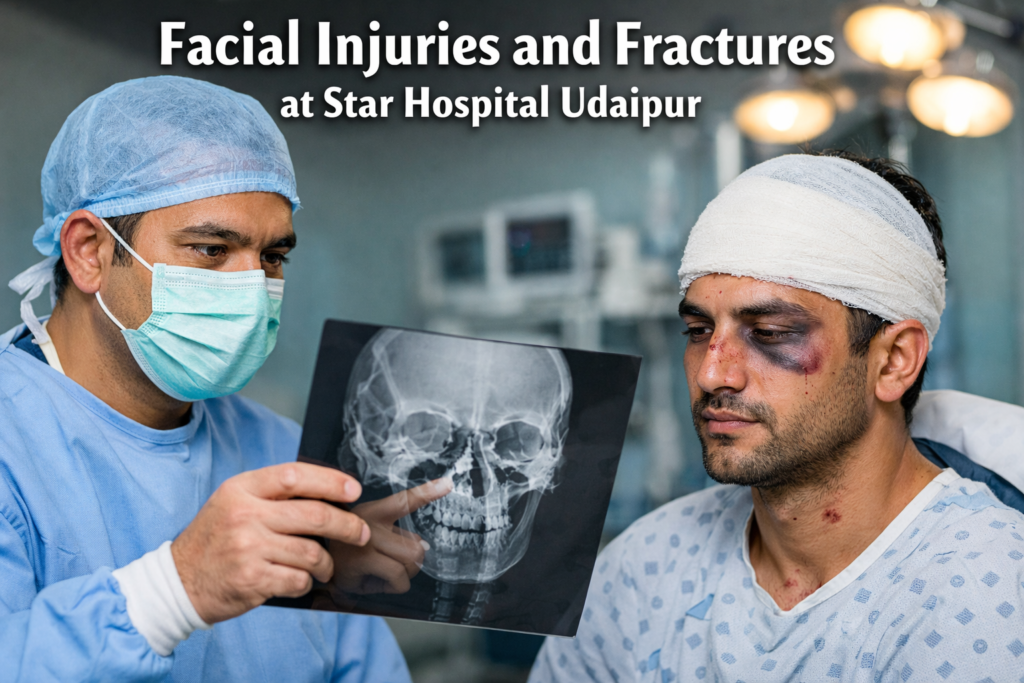
Facial injuries can be both physically painful and emotionally distressing. Among these, Facial Fractures are some of the most serious conditions that require timely attention and proper medical care. Understanding the causes, symptoms, diagnosis, and treatment options of Facial Fractures can help individuals respond quickly and reduce the risk of long-term complications. This article provides a detailed explanation of Facial Fractures, including when surgery becomes necessary and what to expect during recovery. For advanced care and expert treatment, you can also explore Plastic Surgery in Udaipur at Star Hospital, Udaipur

Understanding Facial Fractures
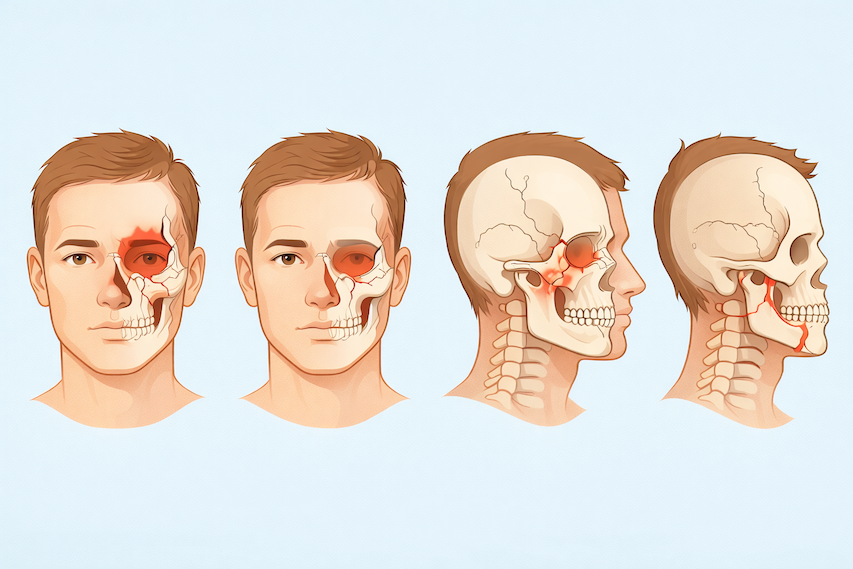
Facial Fractures refer to breaks or cracks in the bones of the face, including the jaw, nose, cheekbones, and eye sockets. These injuries can range from minor cracks to severe breaks that affect both appearance and function.
The face consists of delicate and complex bone structures, making it vulnerable to injury. Facial Fractures can impact breathing, vision, speech, and eating, depending on the severity and location of the fracture.
Key points to understand include
- Facial bones are interconnected, so one fracture can affect multiple areas
- Some fractures are not immediately visible, especially internal ones
- Early diagnosis is critical to avoid complications
What to Do After a Facial Injury
If someone experiences trauma to the face, taking immediate action is crucial. Proper first aid and medical evaluation can prevent worsening of Facial Fractures.
Steps to follow after a facial injury
- Apply a cold compress to reduce swelling
- Avoid touching or pressing the injured area
- Control bleeding gently using clean cloth or bandage
- Seek medical attention immediately if there is pain, swelling, or deformity
It is important not to ignore symptoms such as blurred vision, difficulty opening the mouth, or numbness, as these may indicate serious Facial Fractures.
How Facial Fractures Happen
Facial Fractures usually occur due to high-impact trauma. The face is often exposed, making it susceptible to injuries in various situations.
Common causes of Facial Fractures include
- Road traffic accidents, especially without helmets or seatbelts
- Sports injuries, particularly in contact sports
- Physical assaults or fights
- Falls, especially in children and elderly individuals
- Workplace accidents, particularly in construction or industrial settings
Understanding how Facial Fractures happen can help in taking preventive measures such as wearing protective gear and following safety guidelines.
Types of Facial Fractures
There are several types of Facial Fractures, each affecting different parts of the face. Identifying the type helps in determining the correct treatment approach.
Common types include
- Nasal fractures These are the most common Facial Fractures and usually result from direct impact to the nose
- Orbital fractures These affect the eye socket and may impact vision
- Jaw fractures (Mandibular fractures) These can cause difficulty in speaking and chewing
- Cheekbone fractures (Zygomatic fractures) These may alter facial structure and appearance
- Forehead fractures (Frontal bone fractures) These are serious and may involve brain injury
Each type of Facial Fractures requires careful evaluation and a tailored treatment plan.
How a Diagnosis Is Made
Diagnosing Facial Fractures involves a combination of physical examination and imaging tests. Doctors assess both visible and hidden injuries to ensure accurate diagnosis.
Diagnostic methods include
- Physical examination, checking swelling, bruising, and deformity
- X-rays, to identify bone breaks
- CT scans, which provide detailed images of facial bones
- Vision tests, if eye involvement is suspected
Early and accurate diagnosis is essential to prevent complications and ensure proper healing of Facial Fractures.

When Surgery Is Needed — and When It’s Not
Not all Facial Fractures require surgery. The need for surgical intervention depends on the severity, location, and impact on function.
Surgery is usually needed when
- Bones are significantly displaced
- There is difficulty in breathing, vision, or eating
- Facial structure is visibly altered
- Multiple fractures are present
Non-surgical treatment may be sufficient when
- Fractures are minor and stable
- There is no functional impairment
- Bones are properly aligned
Doctors carefully evaluate each case of Facial Fractures to decide the best course of action.
Treatment Options for Facial Fractures
Treatment of Facial Fractures varies depending on the type and severity of the injury. The goal is to restore function and appearance.
Common treatment options include
- Medications, such as pain relievers and antibiotics
- Immobilization, using splints or bandages
- Closed reduction, where bones are repositioned without surgery
- Surgical repair, using plates, screws, or wires
Advanced surgical techniques ensure minimal scarring and faster recovery in cases of severe Facial Fractures.
Who Treats Facial Fractures?
Treatment of Facial Fractures involves a team of medical specialists, depending on the complexity of the injury.
Better results are achieved by experienced Plastic Surgeons
A multidisciplinary approach ensures comprehensive care for patients with Facial Fractures.
Recovery and What to Expect
Recovery from Facial Fractures depends on the severity of the injury and the treatment method used. Proper care and follow-up are essential for complete healing.
What to expect during recovery
- Swelling and bruising may last for a few weeks
- Pain gradually reduces with medication
- Diet modifications may be required, especially for jaw fractures
- Regular follow-up visits are important
Tips for faster recovery
- Follow doctor’s instructions carefully
- Avoid strenuous activities
- Maintain good oral hygiene
- Attend all scheduled check-ups
Patience and proper care are key to recovering fully from Facial Fractures.
Possible Complications of Facial Fractures
If not treated properly, Facial Fractures can lead to complications that affect both health and appearance.
Possible complications include
- Infection
- Permanent facial deformity
- Vision problems
- Difficulty in speaking or chewing
- Nerve damage causing numbness
Timely treatment significantly reduces risks associated with Facial Fractures.
Preventing Facial Fractures
While not all accidents can be avoided, certain precautions can help reduce the risk of Facial Fractures.
Preventive measures include
- Wearing helmets while driving or riding
- Using protective gear in sports
- Following workplace safety rules
- Ensuring home safety to prevent falls
Prevention is always better than treatment, especially when it comes to serious injuries like Facial Fractures.
Conclusion
Facial Fractures are serious injuries that require immediate attention and proper medical care. From understanding the causes to recognizing symptoms and choosing the right treatment, every step plays a vital role in recovery. While some Facial Fractures heal with minimal intervention, others may require surgical treatment to restore both function and appearance. With early diagnosis, expert care, and proper recovery practices, individuals can achieve successful outcomes and return to normal life. For comprehensive treatment and advanced procedures