- ISO 9001:2015 Certified Hospital
- starhospitaludaipur@gmail.com
- +919660713450
- +91 9928569121

Fat Grafting Procedure: Uses, Types, Benefits, and Possible Risks

The Complete Guide to the Perfect Tummy Tuck: 9 Expert Tips for Great Results
January 30, 2026
फैट ग्राफ्टिंग प्रक्रिया: उपयोग, प्रकार, लाभ और संभावित जोखिम
February 3, 2026
Fat grafting, also known as fat transfer or autologous fat transfer, has become an increasingly popular cosmetic and reconstructive procedure. It uses a person’s own body fat to restore volume, enhance contours, and improve overall appearance. Unlike synthetic fillers or implants, fat grafting relies on natural tissue, making it a preferred option for many patients seeking long-lasting and natural-looking results. Fat Grafting Treatment in Udaipur – Star Hospital offers this advanced procedure with expert care and modern techniques, ensuring safe, reliable, and aesthetically pleasing outcomes for patients done by an experienced Cosmetic-Plastic Surgeon.
This detailed guide explains what fat grafting is, its common uses, benefits, types of fat grafting procedures, longevity of results, and possible risks, helping you understand the procedure clearly and confidently.
What is Fat Grafting?
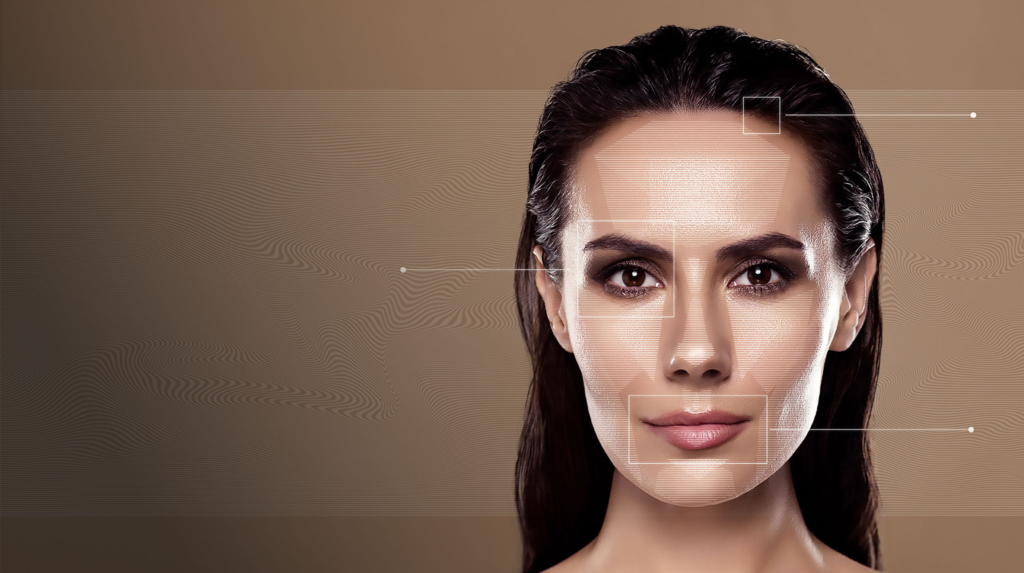
Fat grafting is a medical procedure in which fat is removed from one part of the body and transferred to another area that needs volume, contour, or rejuvenation. The fat is usually taken from areas where it is present in excess, such as the abdomen, thighs, hips, or flanks, and injected into areas like the face, breasts, buttocks, or hands.
The fat grafting procedure generally involves three main steps:
- Fat harvesting through gentle liposuction
- Purification and processing of the collected fat
- Fat injection into the targeted area
Because the fat comes from the patient’s own body, fat grafting significantly reduces the risk of allergic reactions or rejection. Over time, the transferred fat establishes a blood supply and becomes a living part of the treated area.
Fat grafting is widely valued for its natural results, versatility, and dual benefit of body contouring and volume enhancement.
Common Uses of Fat Grafting
Fat grafting is used in both cosmetic and reconstructive medicine. Its flexibility allows it to address multiple concerns in different parts of the body.
Common uses of fat grafting include:
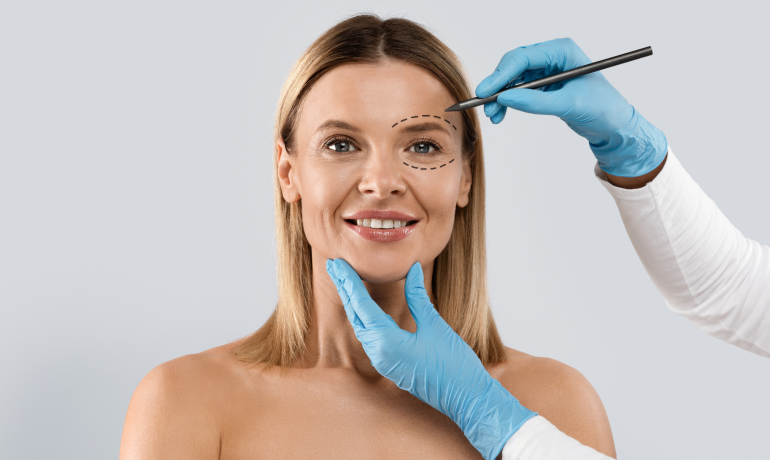
- Facial rejuvenation to restore lost volume in cheeks, temples, under-eye areas, and lips
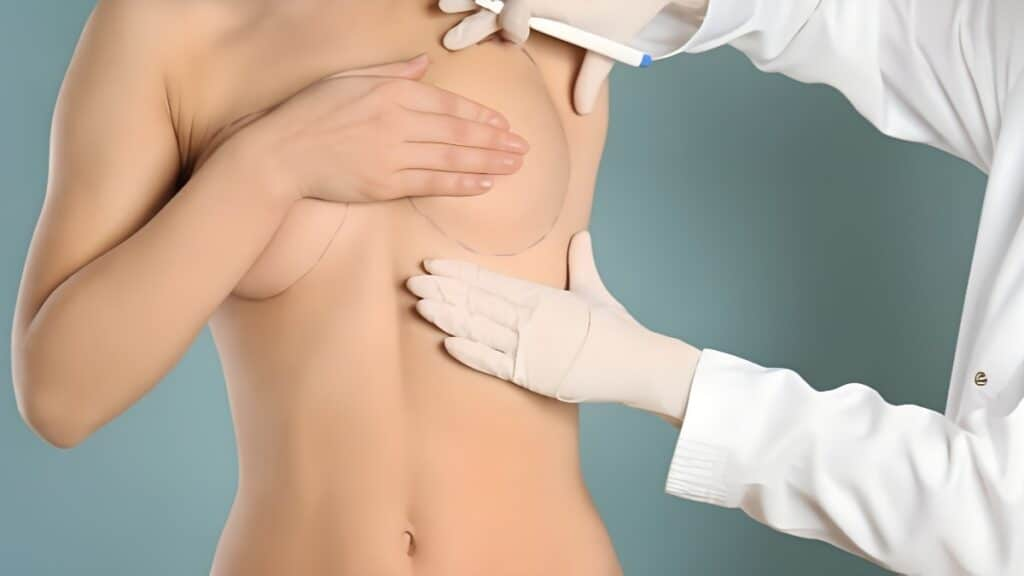
- Breast enhancement for subtle volume increase and shape improvement
- Buttock augmentation to improve fullness and contour
- Hand rejuvenation to reduce the appearance of aging veins and tendons
- Correction of contour irregularities caused by injury, surgery, or congenital conditions
- Scar improvement, including acne scars and surgical scars
- Post-traumatic and reconstructive purposes, such as correcting asymmetry
Fat grafting is often chosen when patients desire soft, natural-looking enhancement rather than dramatic change. It can also be combined with other cosmetic procedures for more comprehensive results.
Benefits of Fat Transfer
The benefits of fat transfer extend beyond simple volume enhancement. Because it uses the patient’s own fat, the results often feel and look more natural compared to synthetic alternatives.
Key benefits of fat grafting include:
- Natural and biocompatible material, as the fat comes from your own body
- Reduced risk of allergic reactions or rejection
- Dual benefit, removing fat from unwanted areas and adding volume where needed
- Long-lasting results compared to temporary fillers
- Improved skin quality, as fat contains regenerative cells that may enhance skin texture
- Soft and natural appearance that blends well with surrounding tissues
- Versatility, suitable for both cosmetic and reconstructive needs
Another major advantage of fat grafting is its ability to age naturally with the body. Once the fat cells survive and stabilize, they respond to weight changes just like fat in other areas.
Types of Fat Grafting Procedures
There are several types of fat grafting procedures, each designed for specific treatment goals and areas. The difference mainly lies in how the fat is processed and injected.
Micro Fat Grafting
Micro fat grafting uses small parcels of fat to restore volume in delicate areas such as the face and under-eye region. This technique allows for precise placement and smooth contouring.
Nano Fat Grafting
Nano fat grafting involves further refining fat into a very fine consistency. It is mainly used for skin rejuvenation rather than volume, helping improve skin tone, texture, and pigmentation.
Structural Fat Grafting
Structural fat grafting focuses on placing fat in layers at different depths. This technique is commonly used for facial contouring and larger volume restoration, offering better long-term support and shape.
Large-Volume Fat Grafting
This type is used for areas such as the buttocks or breasts, where a greater amount of fat is required. Careful technique is essential to ensure fat survival and safety.
Each fat grafting procedure is tailored to the patient’s anatomy and desired outcome. The choice of technique depends on the treatment area, volume needed, and overall goals.
How Long Do Fat Grafts Last?
One of the most common questions about fat grafting is how long the results last. The longevity of fat grafts depends on several factors, including technique, area treated, and individual healing response.
After fat grafting, not all transferred fat survives. Typically, a portion of the fat is naturally reabsorbed by the body within the first few months. However, the fat cells that establish a blood supply can last for many years.
Important factors affecting fat graft longevity include:
- Surgeon’s technique and experience
- Proper fat processing and handling
- Blood supply in the treated area
- Patient’s lifestyle, including smoking and weight stability
In most cases, patients can expect long-term or permanent results from fat grafting, although touch-up procedures may be recommended to achieve optimal volume.
Risks of Fat Transfer
While fat grafting is generally considered safe, especially when performed by a qualified professional, it is still a medical procedure and carries some risks.
Possible risks of fat transfer include:
- Fat reabsorption, leading to partial loss of volume
- Asymmetry or uneven contours
- Fat necrosis, where some fat cells do not survive
- Infection, though rare
- Swelling and bruising at donor and treatment sites
- Formation of lumps or cysts
- Calcification, particularly in breast fat grafting
Most risks can be minimized with proper patient selection, sterile technique, and experienced surgical handling. Following post-procedure care instructions also plays a vital role in successful outcomes.
Conclusion
The fat grafting procedure is a versatile and effective solution for restoring volume, enhancing contours, and improving overall appearance using the body’s own natural resources. With applications ranging from facial rejuvenation to body contouring and reconstructive correction, fat grafting offers a unique combination of safety, natural results, and long-term benefits. Best Gynecology & Cosmetic Surgery Care – Star Hospital provides this advanced treatment with experienced specialists and comprehensive care, ensuring patients achieve safe, satisfying, and long-lasting results.
By understanding what fat grafting is, its common uses, types, benefits, longevity, and possible risks, patients can make informed decisions about whether this procedure aligns with their goals. When performed by skilled professionals – an experienced Cosmetic-Plastic Surgeon, fat grafting can deliver natural-looking, lasting results while enhancing both confidence and appearance.
As with any cosmetic or medical procedure, careful consultation, realistic expectations, and expert technique are essential to achieving the best possible outcome with fat grafting