- ISO 9001:2015 Certified Hospital
- starhospitaludaipur@gmail.com
- +919660713450
- +91 9928569121

Key Benefits and Advantages of the Closed Rhinoplasty Technique

क्लोज़्ड राइनोप्लास्टी तकनीक के प्रमुख लाभ औरफायदे
January 3, 2026
Pregnancy Care Guide: 10 Things Expecting Mothers Must Avoid
January 7, 2026
Rhinoplasty, commonly referred to as a Nose Job, is one of the most popular cosmetic procedures worldwide. Among the various techniques available, closed rhinoplasty has gained significant attention for its unique approach and promising results at the center known for the best gynecology & cosmetic surgery care at Star Hospital Udaipur often inquired about the advantages of this technique and why it might be a suitable choice for them. In this article, we will explore the key benefits and considerations of closed rhinoplasty, explain the procedure, and provide helpful insights for those considering this surgery.
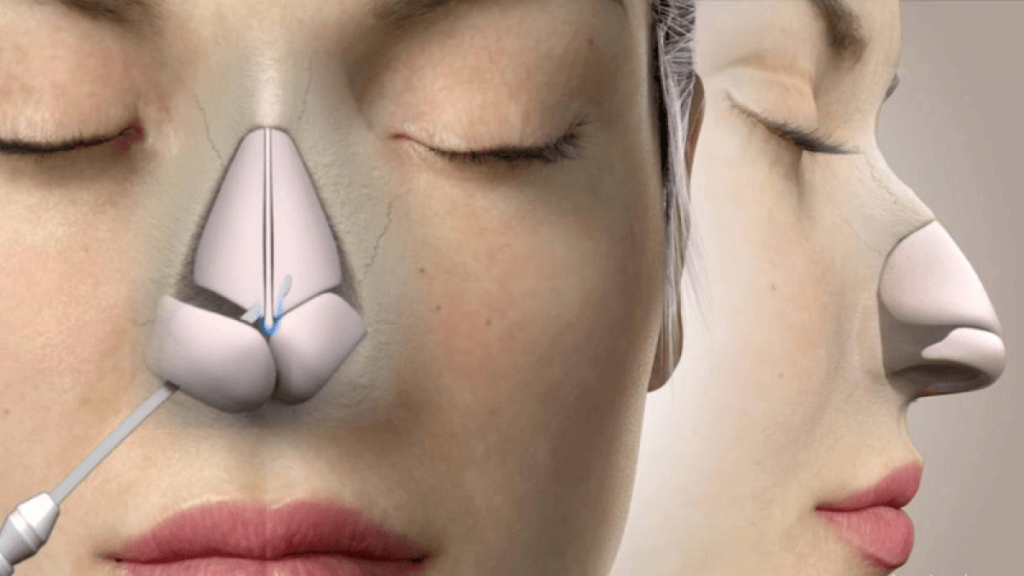
What is Closed Rhinoplasty?
Closed rhinoplasty, also known as endonasal rhinoplasty, is a surgical technique where all incisions are made inside the nostrils. Unlike open rhinoplasty, which involves an external incision across the columella (the tissue between the nostrils), closed rhinoplasty leaves no visible scars on the outside of the nose.
This technique allows the surgeon to reshape the nasal structure, including the cartilage, bone, and soft tissues, while maintaining minimal external disruption. Patients seeking subtle or moderate changes often prefer closed rhinoplasty for its discreet approach.
Some key features of closed rhinoplasty include:
- Incisions made entirely inside the nostrils
- Reduced postoperative swelling
- Shorter recovery period compared to open rhinoplasty
- Lower risk of visible scarring
At Star Hospital Udaipur, experienced and qualified Plastic – Cosmetic surgeons often recommend closed rhinoplasty for patients who desire minor to moderate adjustments, especially when the nasal tip does not require extensive modification.
What Happens Before the Procedure?
Before undergoing closed rhinoplasty, a thorough evaluation is conducted to ensure the procedure is safe and suitable. This preparation is crucial to achieving the best results and minimizing potential risks.
Preoperative steps typically include:
- Medical history review: Surgeons assess past medical conditions, previous nasal surgeries, allergies, and medications
- Physical examination: The nose is examined externally and internally to evaluate the nasal bones, cartilage, skin thickness, and overall facial balance.
- Photography: Preoperative photos are taken to document the nose’s current appearance and help in planning the surgical changes.
- Discussion of expectations: Surgeons discuss the desired outcome and explain what is realistically achievable with closed rhinoplasty.
- Pre-surgical instructions: Patients may need to stop certain medications, avoid smoking, and follow dietary guidelines before surgery.
Understanding these steps helps patients feel confident and informed before their procedure. Closed rhinoplasty is typically performed under local or general anesthesia, depending on the complexity of the surgery.
What Are the Benefits?
Closed rhinoplasty offers several advantages over traditional open techniques. These benefits make it an attractive choice for patients seeking cosmetic or functional nasal improvements.
Key benefits include:
- No visible scarring: Because all incisions are inside the nostrils, patients avoid external scars, which is a significant concern for many.
- Reduced swelling and bruising: Closed rhinoplasty typically involves less tissue manipulation, resulting in faster healing and less postoperative discomfort.
- Shorter recovery period: Patients often return to normal activities sooner than with open rhinoplasty.
- Preservation of nasal structure: The internal approach allows for precise adjustments while maintaining the nose’s natural framework.
- Minimally invasive: This technique reduces trauma to surrounding tissues, which contributes to better long-term results.
- Lower risk of complications: With a less invasive approach, the likelihood of infection, prolonged swelling, and excessive scarring is reduced.
For patients looking for subtle changes in the nasal bridge, tip, or nostrils, closed rhinoplasty provides a safe and effective solution surgeons tailor each procedure to the individual, ensuring optimal outcomes and patient satisfaction.
How Does Closed Rhinoplasty Compare to Open Rhinoplasty?
Closed rhinoplasty and open rhinoplasty are the two primary techniques for nasal surgery. Understanding the differences can help patients make informed decisions.
Closed Rhinoplasty:
- Incisions are made inside the nostrils
- Minimal external scarring
- Shorter recovery time
- Best for minor to moderate adjustments
Open Rhinoplasty:
- Involves an external incision on the columella
- Offers better visibility of nasal structures
- Suitable for complex reshaping or revision surgeries
- Longer recovery period with more swelling
While open rhinoplasty provides greater access for extensive modifications, closed rhinoplasty is ideal for patients who want subtle refinements and faster healing.
What About Ethnic Rhinoplasty?
Ethnic rhinoplasty is a specialized approach that considers unique anatomical features and cultural aesthetics. Patients from different ethnic backgrounds often require customized techniques to maintain natural facial harmony. Consulting the best cosmetic surgeon in udaipur at Star Hospital Udaipur ensures that these procedures are performed with precision, delivering results that are both aesthetically pleasing and culturally sensitive.
Closed rhinoplasty is particularly advantageous in ethnic rhinoplasty because:
- It preserves the natural contour of the nose
- Reduces the risk of over-correction or unnatural appearance
- Minimizes visible scarring, which is crucial for patients with darker skin tones
- Allows subtle adjustments to enhance facial balance
Experienced surgeons are skilled in performing ethnic closed rhinoplasty, ensuring results are both aesthetically pleasing and culturally sensitive
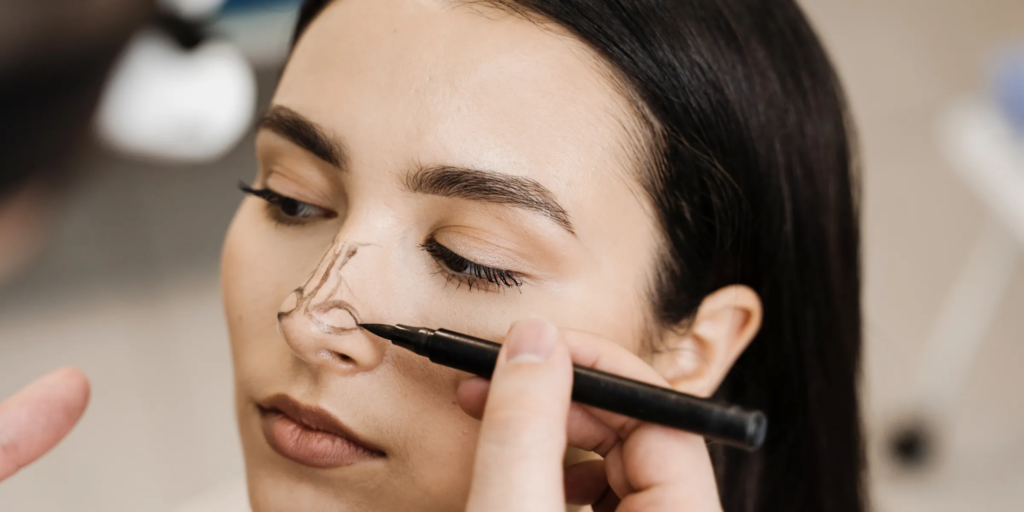
Are There Any Risks or Disadvantages?
While closed rhinoplasty has many benefits, it is not without risks or limitations. Patients should be aware of potential disadvantages:
- Limited visibility: Surgeons have restricted access compared to open rhinoplasty, which may make complex corrections challenging.
- Technical difficulty: Closed rhinoplasty requires significant surgical expertise. Inexperienced surgeons may struggle to achieve precise results.
- Not suitable for major revisions: Patients needing significant tip refinement or major structural changes may benefit more from an open approach.
- Temporary nasal congestion: Swelling and internal bruising can cause breathing difficulties in the early recovery phase.
Despite these considerations, when performed by skilled surgeons, the risks of closed rhinoplasty are minimal, emphasizing patient education and careful planning to reduce complications.
Alternatives to Closed Rhinoplasty
For patients who are not ideal candidates for closed rhinoplasty, several alternatives are available:
- Open rhinoplasty: Ideal for major structural changes or revision surgeries
- Non-surgical rhinoplasty: Uses injectable fillers to reshape the nose temporarily
- Septoplasty or functional rhinoplasty: Corrects breathing issues without cosmetic changes
- Combination procedures: Some patients benefit from both open and closed techniques for optimal results
Discussing these options with a qualified surgeon helps patients select the procedure that aligns with their goals and anatomy.
Knowing the Risks of Rhinoplasty
Rhinoplasty, whether closed or open, carries inherent risks. Awareness of these risks allows patients to make informed decisions:
- Infection at the incision site
- Persistent swelling or bruising
- Minor asymmetry or irregularities
- Temporary or permanent changes in nasal sensation
- Need for revision surgery in rare cases
Following preoperative and postoperative instructions significantly reduces these risks. Surgeons provide detailed guidance to ensure a safe and successful experience
Precautions to Hasten Healing
Proper care after closed rhinoplasty is essential to achieve the best results. Patients should follow these precautions:
- Avoid touching or bumping the nose
- Sleep with the head elevated to reduce swelling
- Apply cold compresses as recommended
- Follow medication instructions carefully
- Avoid strenuous activities and heavy lifting for several weeks
- Attend all follow-up appointments to monitor healing progress
- Avoid smoking and alcohol, which can slow recovery
By adhering to these precautions, patients can enjoy a faster recovery and better long-term outcomes.

Conclusion
Closed rhinoplasty offers numerous advantages, including minimal scarring, reduced recovery time, and precise structural adjustments. For patients seeking subtle changes or ethnic rhinoplasty, this technique is often ideal. While there are some limitations compared to open rhinoplasty, careful evaluation and expert surgical skill can ensure excellent results.
Patients considering closed rhinoplasty should consult with experienced Cosmetic surgeons to discuss their goals, understand the risks, and explore alternatives if needed. By choosing the right procedure and following recommended precautions, patients can achieve a harmonious, natural-looking nose and enjoy the benefits of this minimally invasive approach
Whether you are looking for cosmetic enhancement or functional improvement, closed rhinoplasty remains a reliable and highly effective option in modern nasal surgery. Its combination of subtlety, precision, and faster recovery makes it a top choice for many patients worldwide.
What is closed rhinoplasty
Closed rhinoplasty is a nose surgery technique where all incisions are made inside the nostrils, leaving no visible external scars.
How is closed rhinoplasty different from open rhinoplasty?
Unlike open rhinoplasty, closed rhinoplasty has no external incision, shorter recovery, and is ideal for subtle nasal changes.
Who is a good candidate for closed rhinoplasty?
Patients seeking minor to moderate nasal adjustments, including ethnic rhinoplasty, and those who prefer faster healing are ideal candidates.
Are there any risks or disadvantages?
Limited visibility for the surgeon, not suitable for major revisions, and temporary nasal swelling are potential risks of closed rhinoplasty.
How long is the recovery period?
Recovery is usually shorter than open rhinoplasty, with most swelling reducing within 1–2 weeks and full results visible in a few months.
Why choose us for closed rhinoplasty?
We offer expert surgeons, advanced techniques, and are recognized for Best Gynecology & Cosmetic Surgery Care and Best Cosmetic Surgeon in Udaipur