- ISO 9001:2015 Certified Hospital
- starhospitaludaipur@gmail.com
- +919660713450
- +91 9928569121

Urinary Incontinence Treatment Options: A Complete Guide to Regaining Bladder Control

मूत्र असंयम (Urinary incontinence) के उपचार के विकल्प: मूत्राशय पर दोबारा नियंत्रण पाने की संपूर्ण मार्गदर्शिका
July 29, 2026
ओ-शॉट (O-Shot) के बारे में वह सब कुछ जो आपको जानना चाहिए: फायदे और वैज्ञानिक तथ्य
July 31, 2026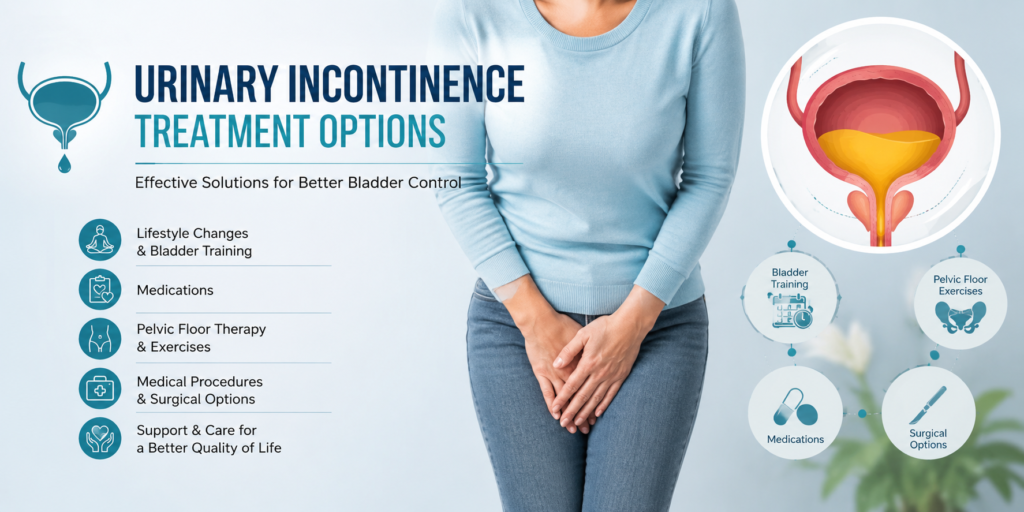
Urinary incontinence can feel frustrating, embarrassing, and isolating, but it is also very treatable. The right approach depends on the type of incontinence, the severity of symptoms, and whether there is an underlying cause that needs attention. If you are looking for the best gynecology surgery care in udaipur consulting an experienced specialist can help ensure an accurate diagnosis and a personalized treatment plan. In many cases, doctors begin with conservative treatments first and then move to medicines, devices, or surgery if needed.
Understanding the Problem
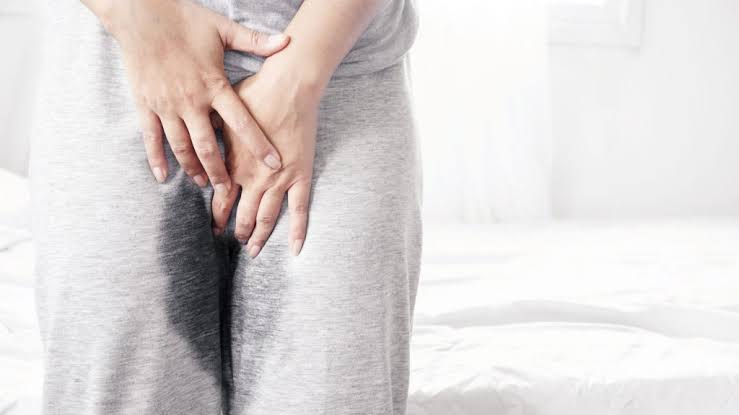
Urinary incontinence simply means leaking urine when you do not intend to. It is not one single condition. Common forms include stress incontinence, urge incontinence, mixed incontinence, and overflow incontinence. Because the causes differ, the most effective treatment is usually the one matched to the specific pattern of leakage.
For example, stress incontinence often happens when pressure is placed on the bladder during coughing, sneezing, laughing, or exercise. Urge incontinence is linked to a sudden, hard-to-control need to urinate. Mixed incontinence combines features of both. Overflow incontinence can happen when the bladder does not empty fully.
Start with Lifestyle Changes
The first step is often to make simple changes that reduce bladder irritation and pressure on the pelvic floor. NHS and MedlinePlus both recommend measures such as reducing caffeine, adjusting fluid intake, losing weight if needed, avoiding constipation, and quitting smoking. MedlinePlus also notes that avoiding alcohol and bladder irritants such as spicy foods, carbonated drinks, and citrus products may help some people.
These changes may sound small, but they can make daily symptoms easier to manage. They are especially useful when combined with other treatments rather than used alone. People with diabetes may also benefit from keeping blood sugar well controlled, since poor control can worsen bladder symptoms.
Pelvic Floor Muscle Training
One of the most effective non-surgical treatments is pelvic floor muscle training, often called Kegel exercises. These exercises strengthen the muscles that support the bladder and urethra, helping them hold urine more effectively. The NHS says a supervised programme should last at least three months and include a minimum of eight muscle contractions at least three times a day. NIDDK also reports that pelvic floor muscle training can reduce leaks.
The key is doing the exercises correctly. Many people think they are contracting the right muscles when they are not. A pelvic floor specialist or physical therapist can help identify the correct muscles and build a practical routine.
If someone cannot contract the muscles well enough on their own, electrical stimulation or biofeedback may be offered. These tools can help people learn how to activate the pelvic floor more effectively, although the NHS notes that biofeedback has limited evidence for added benefit and may be most useful as motivation or support.
Bladder Training
Bladder training is especially helpful for urge incontinence and mixed incontinence. The goal is to gradually increase the time between bathroom visits so the bladder learns to hold more urine. According to MedlinePlus, the schedule is often built from a bladder diary and adjusted step by step. The NHS says bladder training usually lasts at least six weeks.
This technique may also include urgency suppression strategies, such as slow breathing, distraction, staying still, or quick pelvic floor squeezes when the urge suddenly hits. These methods can help some people reach the toilet before leaking occurs.
Medicines That May Help
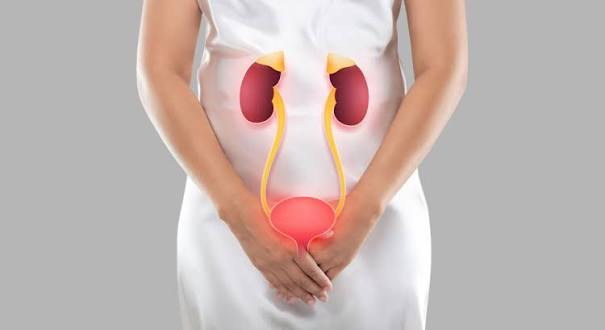
If lifestyle changes and exercises are not enough, a doctor may suggest medicine. MedlinePlus explains that medicines can relax bladder muscles, block nerve signals that trigger urgency, or in men, shrink an enlarged prostate and improve urine flow. The exact choice depends on the type and cause of incontinence.
The NHS notes that for stress incontinence, surgery is usually considered if lifestyle changes and exercises do not help enough. In some cases, a medicine called duloxetine may be used if surgery is not suitable or is not wanted, because it can help increase urethral muscle tone.
Devices and Other Non-Surgical Options
Some people benefit from medical devices. These may include a catheter, which drains urine from the bladder, or for women, a ring-shaped or tampon-like device placed in the vagina to support the urethra and reduce leaks. These options are not always permanent solutions, but they can be useful depending on the situation.
MedlinePlus also mentions bulking agents, which are injected into tissues around the bladder neck and urethra to help close the opening more tightly. Electrical nerve stimulation may also be used to change bladder reflexes and reduce symptoms.
Incontinence products such as pads, absorbent underwear, handheld urinals, or protective devices can also make day-to-day life easier. They do not treat the cause, but they can improve confidence while treatment is being planned or takes effect.
When Surgery Becomes an Option
Surgery may be recommended when other treatments do not work or when symptoms are severe. The operation chosen depends on the type of incontinence and the reason it is happening. MedlinePlus says surgery may be used to support the bladder in its normal position, sometimes with a sling attached to the pubic bone. The need for surgery is more likely when a structural issue, such as pelvic organ prolapse or an enlarged prostate, contributes to the problem.
The good news is that surgery is not the first and only answer. For many people, the earlier steps—especially pelvic floor training and bladder training—can reduce symptoms enough to avoid an operation altogether.
Regaining Confidence, One Step at a Time
Living with urinary incontinence can affect sleep, exercise, travel, social life, and self-esteem. But the condition is common, and many people improve with the right mix of treatment and support. A bladder diary, a proper diagnosis, and a treatment plan tailored to the type of leakage can make a major difference.
The best results often come from combining approaches: healthier habits, pelvic floor exercises, bladder training, and, when needed, medicines or procedures. Incontinence is not something you simply have to live with. With the right care, bladder control can often be improved, and confidence can return.
Final Thoughts
Urinary incontinence treatment is not one-size-fits-all. Some people improve with lifestyle changes and pelvic floor exercises, while others need bladder training, medicine, devices, or surgery. Consulting the best gynecologist in udaipur rajasthan at Star Hospital, can help ensure an accurate diagnosis and a treatment plan tailored to your specific condition. The most important step is getting an accurate diagnosis so treatment matches the real cause of the problem. If symptoms are ongoing or worsening, speaking with a healthcare professional is the best way to start regaining control.