- ISO 9001:2015 Certified Hospital
- starhospitaludaipur@gmail.com
- +919660713450
- +91 9928569121

When Wounds Refuse to Heal: Understanding Chronic Ulcers

जब घाव भरने से इनकार करते हैं: दीर्घकालिक अल्सर (Chronic Ulcers )को समझना
April 4, 2026
10 Things to Stay Away From During Pregnancy for a Safe Journey
April 4, 2026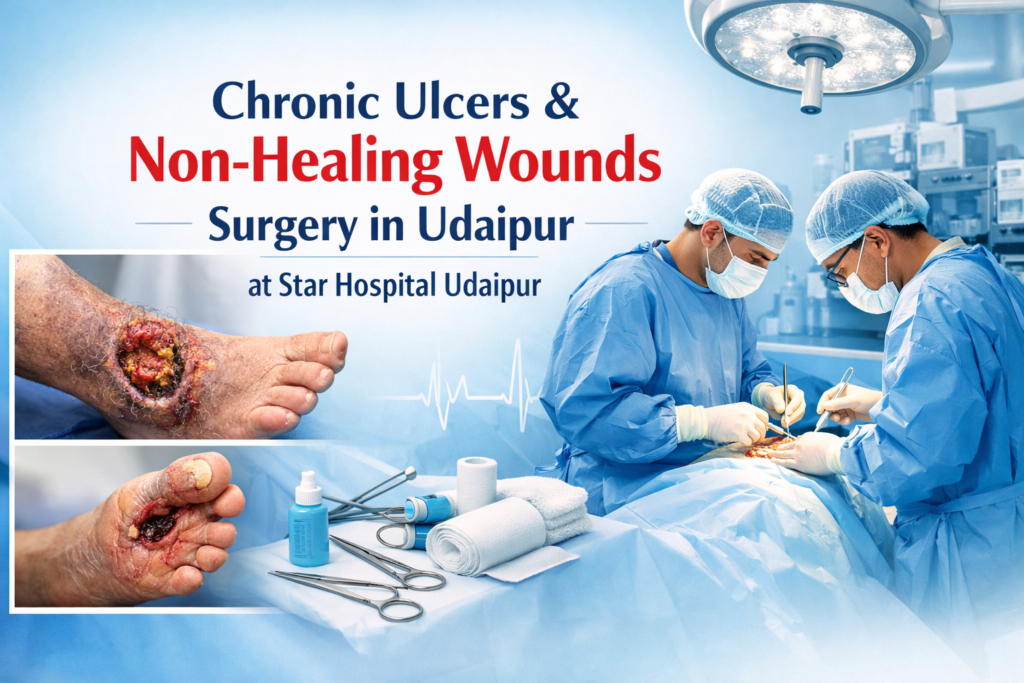
Chronic Ulcers and Non-Healing Wounds are one of the most challenging medical conditions affecting people of all ages, especially those with underlying health issues. When a normal wound fails to heal within an expected time frame, it turns into a long-term problem that can affect quality of life, mobility, and overall health. Chronic Ulcers and Non-Healing Wounds often start as small injuries but gradually become severe if not treated properly. These wounds require timely attention, proper care, and understanding of the underlying causes. Chronic Ulcers and Non-Healing Wounds surgery in Udaipur at Star Hospital Udaipur is available for advanced treatment and specialized care, helping patients recover with proper medical supervision.
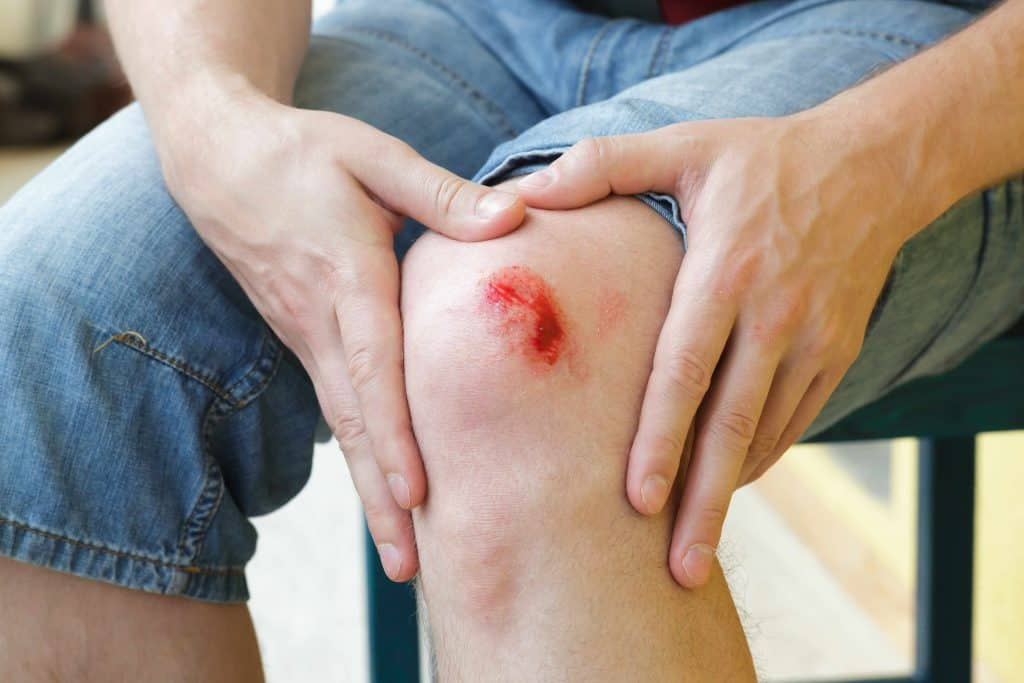
In simple terms, Chronic Ulcers and Non-Healing Wounds are wounds that do not progress through the normal stages of healing. Instead of closing and improving, they remain open, painful, and sometimes infected for weeks or even months.
Why Do These Long Lasting Wounds Develop?
There are multiple reasons why Chronic Ulcers and Non-Healing Wounds develop in the human body. The healing process can be affected by poor blood circulation, infections, or underlying diseases.
Some major causes include:
- Poor blood circulation reduces oxygen and nutrients to the wound area
- Diabetes can damage nerves and blood vessels, slowing healing
- Infections prevent the skin from repairing itself properly
- Pressure on certain body parts leads to pressure ulcers
- Weak immunity slows down tissue repair
When these factors combine, Chronic Ulcers and Non-Healing Wounds become more severe and harder to treat.
Recognizing the Warning Signs Early
Early detection is very important in managing Chronic Ulcers and Non-Healing Wounds. Many people ignore initial symptoms, which leads to complications.
Common signs include:
- Persistent open sores that do not close/heal
- Pain or discomfort around the wound area
- Swelling and redness
- Unusual discharge or foul smell
- Darkening or hardening of skin around the wound
If these symptoms continue, it is likely that Chronic Ulcers and Non-Healing Wounds are developing and medical attention is needed immediately.
Factors That Make Healing Difficult
Healing is a complex biological process, and several internal and external factors can delay it. In cases of Chronic Ulcers and Non-Healing Wounds, the body’s natural repair system fails to function effectively.
Key reasons include:
- High blood sugar levels in diabetic patients
- Smoking, which reduces oxygen supply
- Poor nutrition lacking vitamins and proteins
- Continuous pressure or friction on the wound
- Untreated infections or delayed treatment
These conditions make Chronic Ulcers and Non-Healing Wounds persist for long durations and sometimes worsen over time.
Who Is More at Risk?
Certain individuals are more prone to developing Chronic Ulcers and Non-Healing Wounds due to their health or lifestyle conditions.
High-risk groups include:
- Elderly individuals with weak skin and slow healing ability
- Diabetic patients with nerve damage
- Bedridden patients or those with limited mobility
- Individuals with vascular diseases
- People with poor dietary habits
Understanding risk factors helps in preventing Chronic Ulcers and Non-Healing Wounds before they become severe.
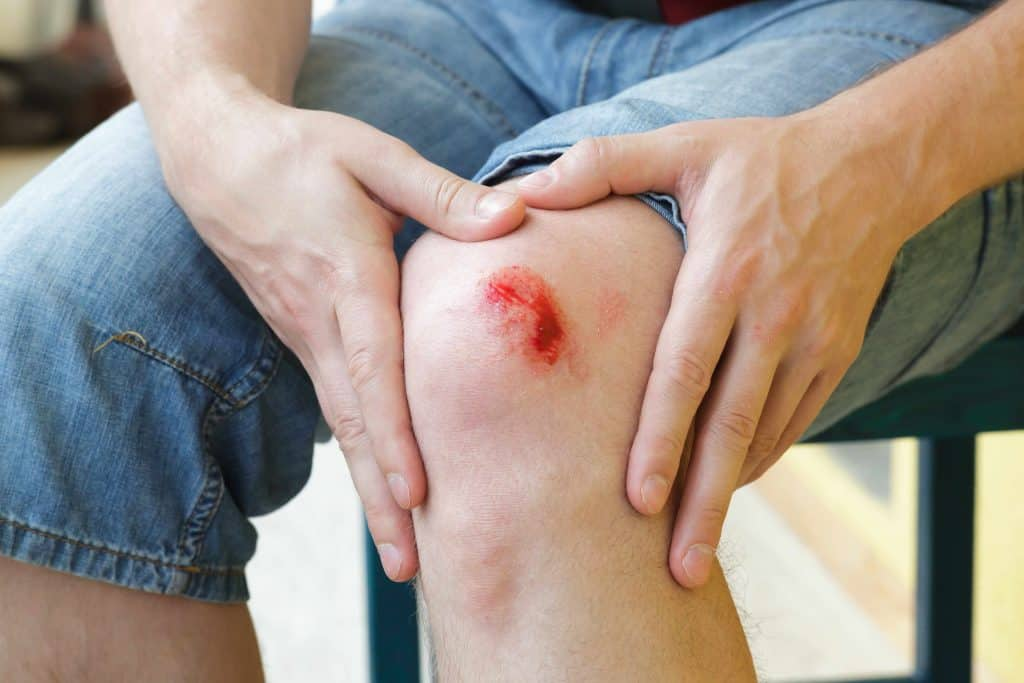
Medical Evaluation and Diagnosis Approach
Proper diagnosis is essential for treating Chronic Ulcers and Non-Healing Wounds effectively. Doctors use different methods to identify the root cause of the problem.
Common diagnostic methods include:
- Physical examination of the wound
- Blood tests to check infection or diabetes
- Imaging tests to assess deeper tissue damage
- Wound culture to identify bacteria
Accurate diagnosis ensures that Chronic Ulcers and Non-Healing Wounds are treated with the right medical approach and do not worsen further.
Treatment Methods for Better Recovery
Treatment of Chronic Ulcers and Non-Healing Wounds depends on the severity and underlying cause. A combination of medical care and lifestyle changes is often required.
Effective treatment options include:
- Wound cleaning and dressing regularly
- Antibiotics to control infection
- Improving blood circulation through medication or therapy
- Blood sugar control in diabetic patients
- Surgical cleaning or removal of dead tissue (Debridement ) in severe cases
Proper care significantly improves the healing process of Chronic Ulcers and Non-Healing Wounds and prevents complications.
Preventive Care and Daily Management
Prevention plays a major role in avoiding Chronic Ulcers and Non-Healing Wounds. Simple daily habits can reduce risk and support faster healing.
Important preventive measures:
- Maintain proper hygiene and keep skin clean
- Eat a balanced diet rich in proteins and vitamins
- Avoid smoking and alcohol consumption
- Change body position frequently if bedridden
- Manage chronic diseases like diabetes effectively
These steps help reduce the chances of developing Chronic Ulcers and Non-Healing Wounds and support overall skin health.
Possible Complications if Ignored
If left untreated, Chronic Ulcers and Non-Healing Wounds can lead to serious health issues. Ignoring them can result in long-term damage and even life-threatening conditions.
Potential complications include:
- Severe infections spreading to deeper tissues
- Tissue death or gangrene
- Permanent scarring or deformity
- Reduced mobility and disability
- Blood infections in extreme cases
This is why early treatment of Chronic Ulcers and Non-Healing Wounds is extremely important.
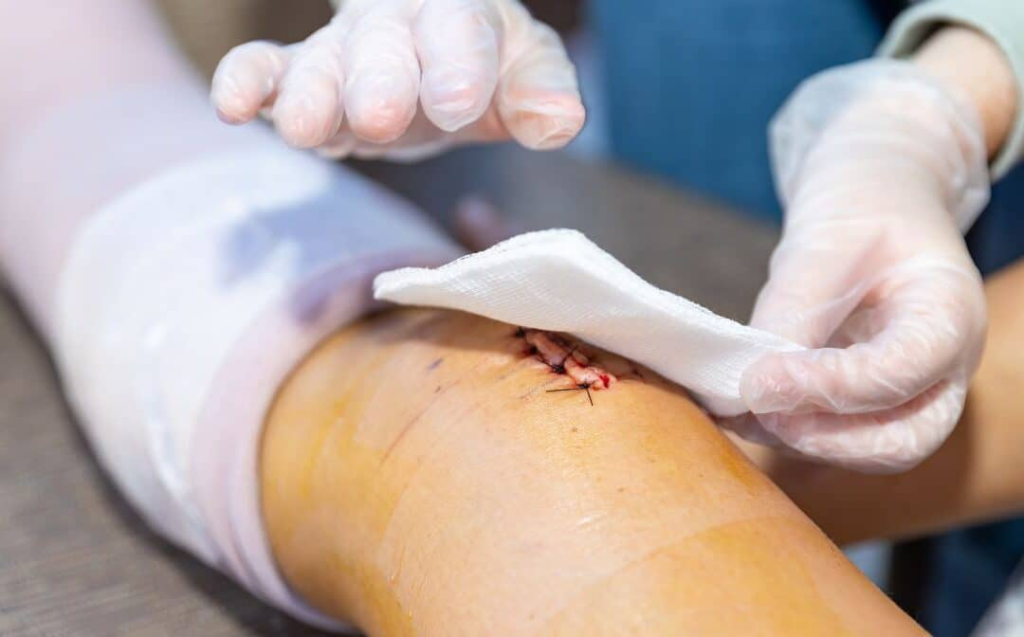
Final Thoughts on Long-Term Wound Care
Managing Chronic Ulcers and Non-Healing Wounds requires patience, consistency, and proper medical supervision. These wounds are not just surface-level issues but often indicate deeper health problems. With timely diagnosis, proper treatment, and lifestyle changes, most cases of Chronic Ulcers and Non-Healing Wounds can be controlled effectively.
Understanding the condition, recognizing early symptoms, and following preventive care can make a significant difference in recovery outcomes. Ultimately, awareness and early action are the key to overcoming the challenges of Chronic Ulcers and Non-Healing Wounds. Plastic Surgery in Udaipur at Star Hospital Udaipur also plays an important role in advanced wound management and reconstruction for better healing results.