- ISO 9001:2015 Certified Hospital
- starhospitaludaipur@gmail.com
- +919660713450
- +91 9928569121

Carpal Tunnel Syndrome: Symptoms, Causes & Effective Treatment Options

From Infertility Struggles to Parenthood:Diagnosis, Treatment & Hope
April 7, 2026
कार्पल टनल सिंड्रोम (Carpal Tunnel Syndrome.): लक्षण, कारण और प्रभावी उपचार विकल्प
April 8, 2026
Carpal Tunnel Syndrome is one of the most common nerve-related conditions affecting the hand and wrist. It occurs when the median nerve, which runs from the forearm into the palm, becomes compressed at the wrist. This condition can cause discomfort, weakness, and even long-term damage if not treated properly. In today’s digital age, where prolonged typing and smartphone usage are common, Carpal Tunnel Syndrome is becoming increasingly widespread. For advanced cases, Carpal Tunnel Syndrome surgery in Udaipur at Star Hospital Udaipur is available with modern techniques and expert Plastic Surgical care for effective and long-lasting relief.
This article explains everything you need to know about Carpal Tunnel Syndrome, including its symptoms, causes, and effective treatment options.

What Exactly is Carpal Tunnel Syndrome
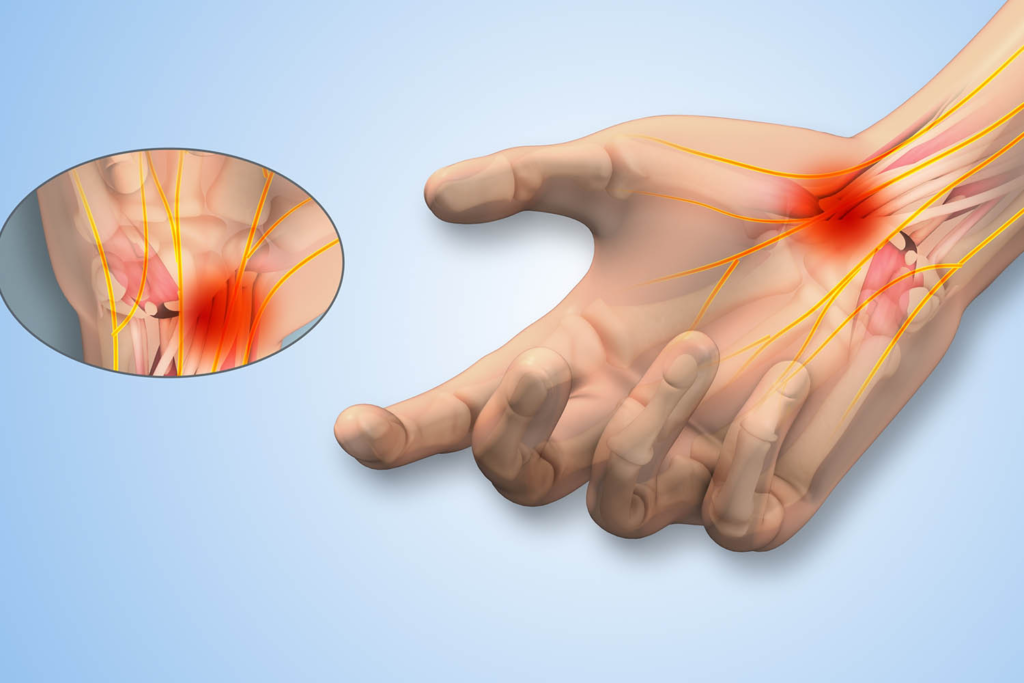
The wrist contains a narrow passageway called the carpal tunnel, made up of bones and ligaments. The median nerve passes through this tunnel and controls sensations in the thumb and fingers (except the little finger).
When this tunnel becomes narrowed or tissues surrounding it swell, pressure is placed on the nerve. This leads to Carpal Tunnel Syndrome, causing pain, numbness, and weakness in the hand.
Understanding Carpal Tunnel Syndrome early is important to prevent complications and ensure faster recovery.
Common Signs You Should Not Ignore
Recognizing the early symptoms of Carpal Tunnel Syndrome can help prevent the condition from worsening. The symptoms usually develop gradually and may become more severe over time.
Here are the most common symptoms:
• Numbness or tingling in the thumb, index, and middle fingers
• Pain in the wrist or hand, especially at night
• Weak grip strength, making it difficult to hold objects
• Burning sensation in the fingers
• Shock-like feeling that moves from the wrist to the fingers
• Hand stiffness, particularly in the morning
Many people with Carpal Tunnel Syndrome first notice symptoms while using a phone, driving, or holding a book. Ignoring these signs can lead to permanent nerve damage.
Main Causes Behind Carpal Tunnel Syndrome
There are several reasons why Carpal Tunnel Syndrome develops. In most cases, it is caused by a combination of factors rather than a single issue.
Some major causes include:
• Repetitive hand movements such as typing, writing, or using a mouse
• Wrist injuries like fractures or sprains
• Inflammatory conditions such as arthritis
• Hormonal changes, especially during pregnancy
• Diabetes or thyroid disorders
• Obesity, which increases pressure on the nerve
People who perform continuous wrist movements daily are at a higher risk of developing Carpal Tunnel Syndrome.
Who is at Higher Risk
Certain groups of people are more likely to develop Carpal Tunnel Syndrome due to lifestyle, occupation, or medical conditions.
High-risk individuals include:
• Office workers who use computers for long hours
• Factory workers using vibrating tools
• Pregnant women
• People with diabetes or arthritis
• Individuals with poor wrist posture habits
Being aware of these risk factors can help in preventing Carpal Tunnel Syndrome before it becomes severe.

How Carpal Tunnel Syndrome is Diagnosed
Proper diagnosis is essential for effective treatment of Carpal Tunnel Syndrome. A doctor will typically begin with a physical examination and ask about your symptoms.
Common diagnostic methods include:
• Physical tests to check hand strength and sensation
• Tinel’s sign test, where tapping on the nerve causes tingling
• Phalen’s test, involving wrist bending to reproduce symptoms
• Nerve conduction studies to measure nerve function
• Electromyography (EMG) to assess muscle activity
Early diagnosis of Carpal Tunnel Syndrome leads to better treatment outcomes and quicker recovery.
Effective Non-Surgical Treatment Options
In many cases, Carpal Tunnel Syndrome can be treated without surgery, especially if detected early.
Here are some effective non-surgical treatments:
• Wrist splinting to keep the wrist in a neutral position
• Rest and activity modification to reduce strain
• Cold therapy to reduce swelling
• Physiotherapy exercises to strengthen the wrist
• Medications like anti-inflammatory drugs
• Steroid injections to reduce inflammation
These treatments help relieve pressure on the median nerve and improve symptoms of Carpal Tunnel Syndrome.
When Surgery Becomes Necessary
If non-surgical treatments do not provide relief, surgery may be required to treat Carpal Tunnel Syndrome.
The most common procedure is carpal tunnel release surgery, where the ligament pressing on the nerve is cut to reduce pressure which when performed by a Plastic Surgeon gives much better and quicker results.
Key points about surgery:
• It is usually a day-care procedure. Patient is discharged in a few hours
• Recovery time is relatively short
• Provides long-term relief in most cases
• Can be done using open or endoscopic techniques.
This surgery at Star Hospital, Udaipur is done under local anesthesia which reduced risk of general or regional anesthesia.
Surgery is considered safe and highly effective for severe Carpal Tunnel Syndrome cases.
Tips to Prevent Carpal Tunnel Syndrome
Prevention plays a crucial role in avoiding Carpal Tunnel Syndrome, especially for people with high-risk jobs.
Follow these simple tips:
• Maintain proper wrist posture while working
• Take frequent breaks during repetitive tasks
• Use ergonomic keyboards and mouse
• Perform hand and wrist stretching exercises
• Avoid excessive force while typing or gripping objects
• Keep your hands warm to prevent stiffness
Making small lifestyle changes can significantly reduce the chances of developing Carpal Tunnel Syndrome.
Final Thoughts
Carpal Tunnel Syndrome is a manageable condition if identified early and treated correctly. From mild discomfort to severe nerve compression, the symptoms can vary widely, but timely action can prevent long-term complications. For specialized care, Plastic Surgery in Udaipur at Star Hospital Udaipur offers advanced treatment options, including surgical management for conditions like Carpal Tunnel Syndrome.
Whether through lifestyle changes, non-surgical methods, or surgical intervention, there are multiple effective ways to treat Carpal Tunnel Syndrome. If you experience persistent hand pain, numbness, or weakness, it is important to seek medical advice promptly.
Taking care of your wrist health today can help you avoid serious issues related to Carpal Tunnel Syndrome in the future.