- ISO 9001:2015 Certified Hospital
- starhospitaludaipur@gmail.com
- +919660713450
- +91 9928569121

Hand and Finger Injuries: Causes, Symptoms and Treatment

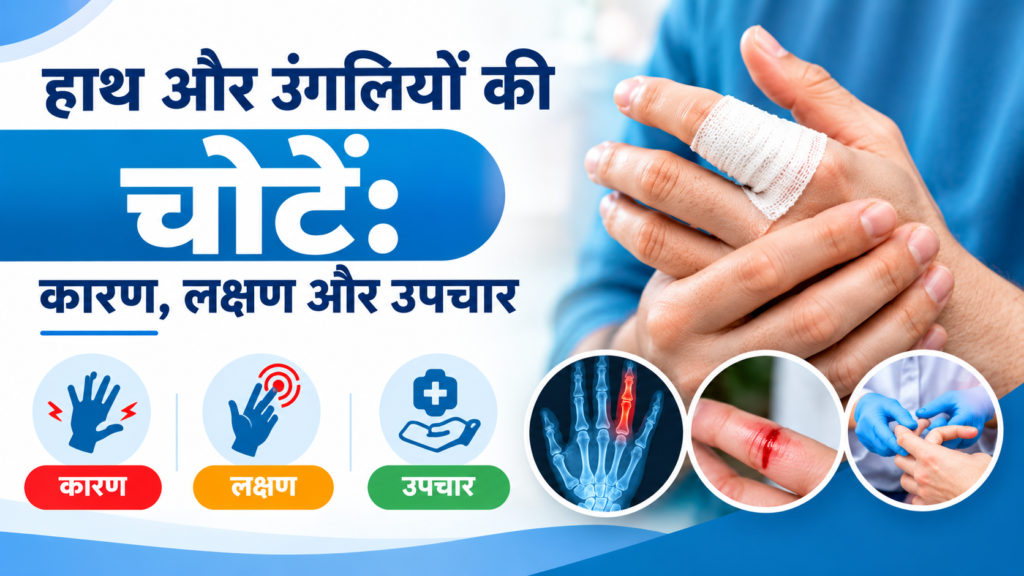
हाथ और उंगलियों की चोटें: कारण, लक्षण और उपचार
October 31, 2026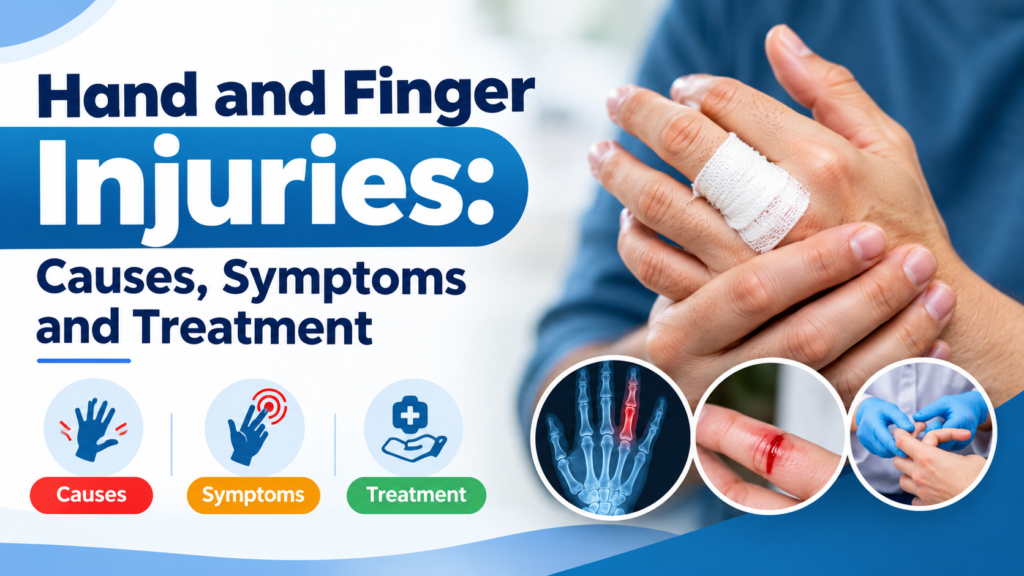
Star Hospital Udaipur provides medical care for patients experiencing hand and finger injuries, helping them understand their condition and receive appropriate treatment. Recognised for its plastic surgery in Udaipur services, the hospital focuses on providing appropriate care for various injuries and medical conditions. Our hands play an essential role in everyday activities, including writing, cooking, lifting objects, driving, and performing professional tasks. Even a minor injury can affect movement, grip strength, and overall functionality. Accidents, falls, sports activities, workplace incidents, machine injuries, home appliance like mixer grinder and knife injuries and repetitive movements are among the common reasons people experience discomfort or damage to their hands and fingers. Understanding the early warning signs is important for preventing further complications and protecting long-term hand function.
Some injuries involve only minor cuts or bruises, while others may damage bones, joints, tendons, ligaments, nerves, or blood vessels. Ignoring persistent pain, swelling, numbness, or difficulty moving the fingers may lead to complications. Early diagnosis and suitable medical attention can support healing and improve recovery outcomes. This guide explains the major causes, symptoms, treatment methods, and preventive measures that help maintain healthy hand function.
Read More:Burns & Post-Burn Deformities: Causes, Types, & Care
What Are Hand and Finger Injuries?
Hand and finger injuries refer to physical damage affecting the bones, muscles, tendons, ligaments, joints, nerves, or surrounding soft tissues of the hands and fingers.
These conditions can range from minor bruises and superficial cuts to complex fractures, dislocations, and tendon damage. Some injuries occur suddenly following an accident, while others develop gradually because of repetitive movements or excessive strain.
The severity depends on the affected structure, force of impact, and extent of tissue damage. Identifying the exact injury is essential for selecting appropriate treatment and preventing long-term functional problems.
Common Causes of Hand and Finger Injuries
Hand and finger injuries can occur during everyday activities, recreational sports, or occupational tasks. Understanding their causes can help individuals recognise potential risks and adopt preventive measures.
1. Accidental Falls
Falling onto an outstretched hand can place excessive pressure on the fingers, wrist, and surrounding joints, potentially causing fractures, sprains, or dislocations.
2. Sports-Related Accidents
Activities such as cricket, basketball, volleyball, and football may expose fingers to sudden impact, twisting, or bending injuries.
3. Workplace Injuries
Individuals working with machinery, construction equipment, or sharp tools may experience cuts, crush injuries, and other forms of tissue damage.
4. Repetitive Movements
Continuous gripping, typing, or repetitive physical tasks may contribute to tendon irritation and overuse-related discomfort.
5. Household Accidents
Kitchen knives, heavy doors, broken glass, mixer injuries and falling objects are common sources of accidental damage to the hands.
Types of Hand and Finger Injuries
Different types of hand and finger injuries require different approaches to diagnosis and management.
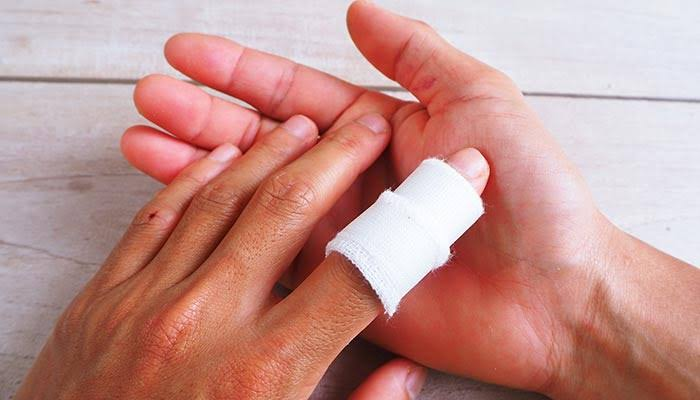
Fractures: A fracture occurs when one or more bones break because of direct impact, falls, or excessive force.
Sprains: These involve stretching or tearing of ligaments that support the finger joints.
Dislocations: A dislocation occurs when bones move out of their normal joint alignment.
Tendon Injuries: Damage to tendons can interfere with the ability to bend or straighten the fingers.
Cuts and Lacerations: Deep wounds may affect the skin, blood vessels, nerves, or underlying tissues.
Crush Injuries: Heavy objects or machinery can compress the fingers, potentially damaging multiple structures simultaneously.
Correctly identifying the injury type is important because similar symptoms may occur in different conditions.
Common Symptoms and Warning Signs
Recognising common hand injury symptoms helps individuals understand when medical attention may be necessary.
Typical warning signs include:
- Persistent pain or tenderness around the affected area.
- Swelling, bruising, or visible inflammation.
- Difficulty bending or straightening the fingers.
- Reduced grip strength or limited joint movement.
- Numbness, tingling, or altered sensation.
- Visible deformity or abnormal finger alignment.
- Open wounds, bleeding, or damaged fingernails.
Some symptoms may appear immediately, while others become noticeable several hours after the injury.
Severe pain, visible deformity, loss of sensation, uncontrolled bleeding, or a pale or cold finger requires urgent medical assessment.
Understanding common hand injury symptoms and seeking timely evaluation can reduce the risk of overlooked fractures, nerve damage, and other complications.
How Are Hand and Finger Injuries Diagnosed?
Accurate diagnosis of hand and finger injuries begins with a medical examination and a discussion of how the injury occurred.
A healthcare professional may evaluate swelling, tenderness, joint alignment, circulation, sensation, and the ability to move individual fingers.
Depending on the suspected condition, diagnostic investigations may include:
- X-rays: To identify fractures, dislocations, and bone alignment problems.
- Ultrasound: To assess certain tendon and soft-tissue abnormalities.
- MRI: To examine complex ligament, tendon, or other soft-tissue damage when clinically necessary.
A detailed examination helps determine the severity of the injury and guides appropriate treatment planning.
Treatment Options for Hand and Finger Injuries
Treatment for hand and finger injuries depends on the affected structures, severity of damage, and individual medical requirements.
Minor injuries may improve with conservative care, while complex conditions sometimes require specialised procedures.
Initial Care and Protection
For a minor closed injury, resting the affected area, applying a wrapped cold pack for short intervals, and keeping the hand elevated may help reduce discomfort and swelling.
Remove rings promptly if swelling develops. Avoid forcing a painful or visibly deformed finger into position.
Medication and Immobilisation
Doctors may recommend suitable pain-relieving medication, protective splints, or other forms of immobilisation depending on the diagnosis.
Physiotherapy and Rehabilitation
Once medically appropriate, guided exercises can help restore flexibility, joint movement, coordination, and grip strength.
Surgical Treatment
Severe fractures, deep tendon injuries, nerve damage, or complicated wounds may require surgical intervention.
Different finger injury treatment options are selected according to the patient’s condition rather than using the same approach for every injury.
A healthcare professional can explain the benefits, limitations, and expected recovery process associated with available finger injury treatment options.
Recovery and Rehabilitation Tips
Recovery from hand and finger injuries varies according to the type and severity of damage.
Minor soft-tissue conditions may improve within a relatively short period, whereas fractures, tendon repairs, and complex injuries can require several weeks or months of rehabilitation.
Patients should follow their prescribed treatment plan, attend recommended follow-up appointments, and avoid returning to strenuous activities prematurely.
Maintaining appropriate nutrition, protecting the affected area, and performing only approved exercises can support the healing process.
Persistent stiffness, increasing pain, worsening swelling, or reduced movement should be discussed with a healthcare professional.
How to Prevent Hand and Finger Injuries
Although every accident cannot be prevented, several precautions can reduce the likelihood of injury.
- Wear appropriate protective gloves when handling sharp equipment.
- Follow workplace safety procedures when operating machinery.
- Use suitable protective equipment during sporting activities.
- Maintain proper techniques when lifting heavy objects.
- Take regular breaks during repetitive physical tasks.
- Keep household tools and sharp objects stored safely.
- Avoid excessive force when performing activities involving the fingers.
Developing safe habits at home, work, and during recreational activities helps protect long-term hand health.
When Should You Consult a Doctor?
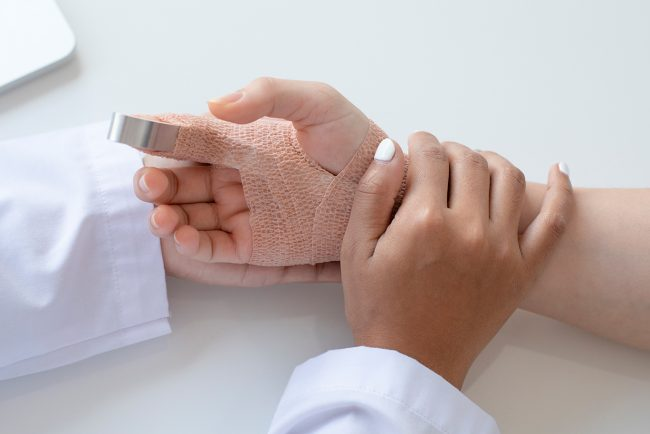
Medical evaluation is important when an injury causes persistent pain, significant swelling, limited movement, numbness, or difficulty performing normal activities.
Immediate medical attention is necessary for severe bleeding, deep wounds, exposed bone, obvious deformity, loss of circulation, or suspected amputation.
Early assessment can identify potentially serious conditions and help prevent avoidable complications.
A Plastic surgeon is well trained to handle and treat or operate all kinds of Hand and finger injuries .
Conclusion
Hand and finger injuries can significantly affect daily activities, professional responsibilities, and overall quality of life. Understanding their causes, recognising warning signs, and receiving appropriate medical treatment are important steps towards protecting hand function and supporting recovery.
Whether the condition involves a minor sprain, fracture, tendon damage, or complex trauma, of the hand and fingers, timely diagnosis and individualised care can improve treatment outcomes. Star Hospital Udaipur, a plastic surgery hospital in Udaipur, provides medical evaluation and treatment services to help patients address injuries, understand their recovery requirements, and work towards restoring comfortable hand movement and functionality.
Frequently Asked Questions About Hand and Finger Injuries
1. What are the common causes of hand and finger injuries?
Accidents, falls, sports activities, workplace injuries, and repetitive movements are common causes.
2. What are the early symptoms of a finger injury?
Common symptoms include pain, swelling, bruising, numbness, and difficulty moving the affected finger.
3. How long does a hand injury take to heal?
Recovery depends on injury severity. Minor injuries may heal within weeks, while severe injuries can take several months.
4. Can hand and finger injuries require surgery?
Yes, severe fractures, tendon damage, nerve injuries, or complex wounds may require surgical treatment.
5. When should I consult a doctor for a hand injury?
Seek medical attention if you experience severe pain, persistent swelling, numbness, visible deformity, or difficulty moving your fingers.