- ISO 9001:2015 Certified Hospital
- starhospitaludaipur@gmail.com
- +919660713450
- +91 9928569121

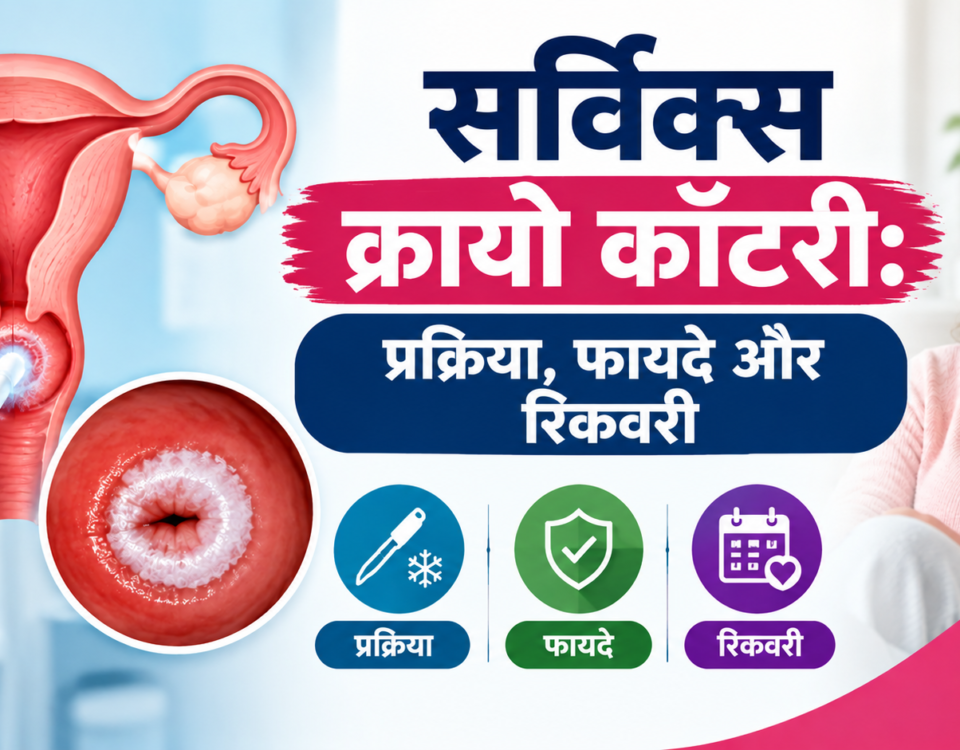
Cervix Cryo Cautery: Procedure, Benefits and Recovery

Hysterectomy Surgery: Reasons, Types, Benefits and Recovery
October 6, 2026
गर्भाशय ग्रीवा क्रायो कॉटरी: (सर्विक्स क्रायो कॉटरी) प्रक्रिया, लाभ और ठीक होने की अवधि
October 8, 2026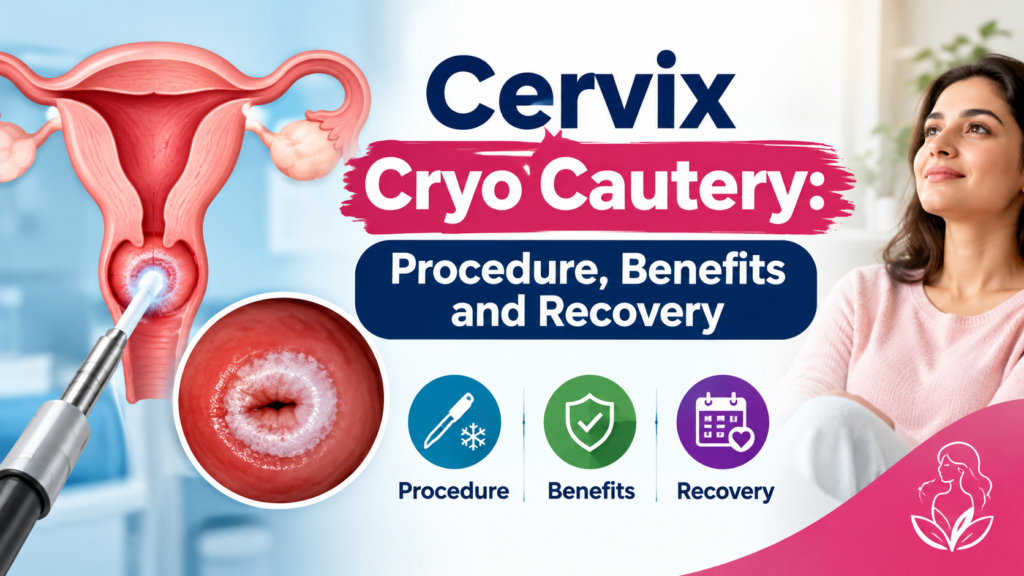
Cervix Cryo cautery is a gynecological procedure used to treat certain abnormal or unhealthy areas on the cervix. It works by applying controlled cold temperatures to the affected cervical tissue, allowing damaged cells to be destroyed while healthy tissue can heal naturally. The procedure may be recommended for selected cervical conditions after a gynecological examination and appropriate testing. At Star Hospital Udaipur, patients can receive guidance about cervix cryo cautery treatment in Udaipur, cervical conditions, treatment options, preparation, and follow-up care based on their individual needs. Understanding why the procedure is performed, how it works, and what recovery involves can help patients feel more comfortable before treatment. Although the procedure is generally considered simple, the suitability of treatment depends on the underlying cervical condition and the doctor’s assessment.
Understanding why the procedure is performed, how it works, and what recovery involves can help patients feel more comfortable before treatment. Although the procedure is generally considered simple, the suitability of treatment depends on the underlying cervical condition and the doctor’s assessment.
What Is Cervix Cryo Cautery?
Cervix Cryo cautery is a treatment that uses extreme cold to freeze and destroy abnormal tissue on the cervix. The treatment is sometimes described as cervical cryotherapy because cryotherapy uses freezing temperatures rather than heat to treat targeted tissue.
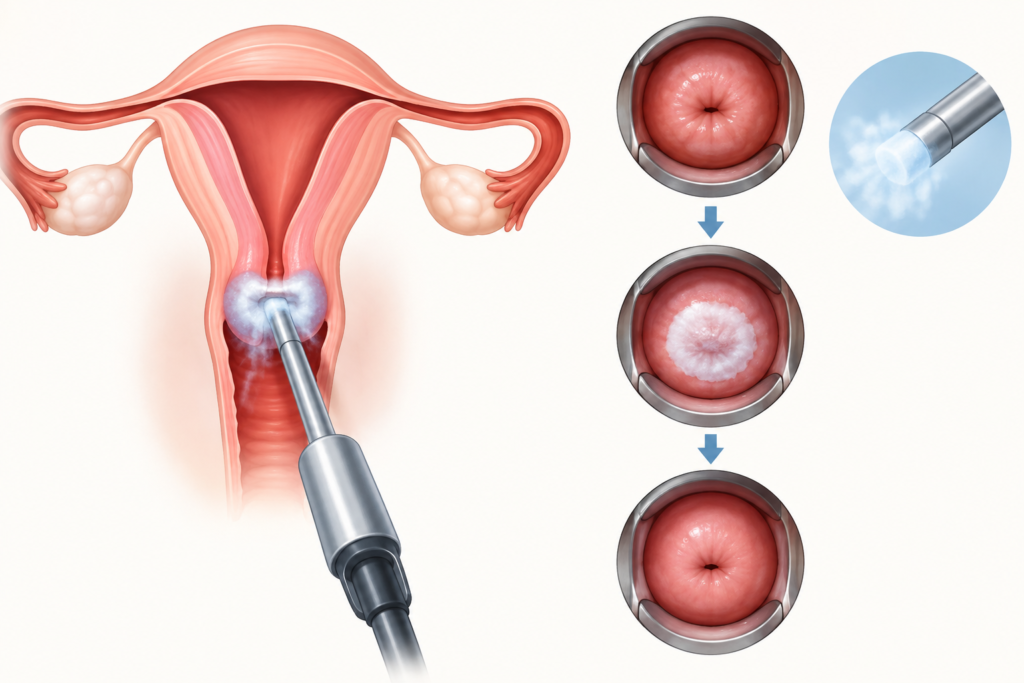
During the procedure, a healthcare professional places a specialized instrument against the cervix. The affected area is exposed to a controlled freezing temperature for a specific period. The frozen tissue gradually breaks down and is replaced by healthy tissue as healing occurs.
The procedure may be considered for selected benign cervical abnormalities, such as certain areas of inflammation, ectropion, or abnormal surface tissue. However, it is not appropriate for every cervical problem. A doctor may recommend examinations, cervical screening, HPV testing, or other investigations before deciding whether treatment is suitable.
Why Is Cervix Cryo Cautery Recommended?
A doctor may recommend Cervix Cryo Cautery when an abnormal cervical surface is causing symptoms or requires treatment. Cervical erosions, ectropion, for example, can sometimes cause increased discharge or bleeding after intercourse because delicate cells are exposed on the outer surface of the cervix.
Other potential reasons for considering treatment include persistent cervical irritation or selected non-cancerous cervical lesions. The exact indication depends on the patient’s symptoms, examination findings, and test results.
It is important to understand that cryotherapy is not automatically a treatment for cervical cancer. If there is a concern about precancerous or cancerous changes, additional diagnostic evaluation is generally required before treatment is selected.
How Does Cervical Cryotherapy Work?
Cervical cryotherapy works by freezing targeted cervical tissue. A specialized cryotherapy probe is placed against the area requiring treatment. The very low temperature causes controlled destruction of the targeted cells.
After treatment, the body naturally removes the damaged tissue and begins the healing process. New tissue can gradually develop over the treated area. The procedure is designed to focus treatment on the affected region while minimizing unnecessary damage to surrounding tissue.
Before treatment, the doctor usually confirms that the cervical condition is appropriate for cryotherapy. This assessment helps ensure that a more extensive diagnostic or surgical procedure is not required.
Procedure of Cervix Cryo Cautery
The Cervix Cryo Cautery procedure is generally performed in an outpatient or clinic setting. The patient is positioned similarly to a routine pelvic examination, and a speculum is used to allow the healthcare professional to see the cervix.
The doctor identifies the area requiring treatment and places the cryotherapy instrument against it. The device delivers controlled cold temperatures to freeze the targeted tissue. Depending on the condition and treatment protocol, freezing may be performed for a specified period and may be followed by a thawing period before treatment is completed.
Patients may experience pressure, mild cramping, or a cold sensation during treatment. The procedure itself is usually relatively brief. Afterward, the patient can often return home without an overnight hospital stay.
Benefits of Cervix Cryo Cautery
There are several potential benefits of cervix cryo cautery when it is appropriately recommended:
- It can treat selected abnormal cervical surface tissue.
- The procedure is generally quick and minimally invasive.
- It may be performed without major surgery.
- Recovery is usually straightforward.
- Hospital admission is generally not required for routine cases.
- It can help reduce symptoms associated with certain cervical conditions.
- The treatment targets the affected tissue rather than requiring removal of the uterus.
The expected benefit depends on the underlying condition. A doctor should explain whether cryotherapy is suitable and what outcome can reasonably be expected.
Cryotherapy for Cervical Lesions
Cryotherapy for cervical lesions uses freezing temperatures to destroy selected abnormal tissue. It has been used in gynecological care for certain cervical conditions, but its suitability depends on the type, size, and location of the lesion.
Before treatment, doctors need to determine whether the lesion can be safely treated with cryotherapy. Some abnormalities require biopsy, colposcopy, excisional treatment, or other management rather than freezing.
For this reason, cryotherapy for cervical lesions should only be considered after appropriate evaluation. Regular cervical screening and follow-up remain important even after successful treatment.
Recovery After Cervix Cryo Cautery
Recovery following Cervix Cryo Cautery is usually uncomplicated. Mild cramping may occur shortly after the procedure and can generally settle within a short period. A watery or clear vaginal discharge is also common as the treated cervical tissue heals.
Patients are often advised to avoid vaginal intercourse, tampons, and swimming for a period recommended by their healthcare provider. These precautions help reduce irritation and allow the cervix to heal properly.
The healing period varies between individuals. Patients should follow all post-treatment instructions and attend scheduled follow-up appointments. Contacting a healthcare professional is important if symptoms become severe or unusual.
Possible Side Effects and Precautions
Although cervix cryo cautery is generally considered a simple procedure, temporary side effects can occur. These may include mild abdominal cramps, watery vaginal discharge, light spotting, or temporary discomfort.
Heavy bleeding, severe pelvic pain, fever, foul-smelling discharge, or other concerning symptoms should not be ignored. Patients experiencing these symptoms should contact their healthcare provider promptly.
Before undergoing treatment, patients should inform their doctor about existing medical conditions, medications, pregnancy concerns, allergies, or previous cervical procedures. Proper assessment helps reduce avoidable complications.

When Should You Seek Medical Advice?
Patients should seek medical advice if cervical symptoms persist, recur, or become worse after treatment. Unusual bleeding, particularly bleeding after intercourse or between periods, should be evaluated rather than assumed to be caused by a minor cervical condition.
Follow-up is especially important when the original diagnosis involved abnormal cervical screening results. Treatment does not eliminate the need for routine cervical screening or monitoring when recommended.
A gynecologist can determine whether symptoms are related to cervical ectropion, infection, abnormal cells, hormonal changes, or another condition and can recommend the most appropriate treatment.
Conclusion
Cervix cryo cautery can be a useful treatment for selected cervical conditions when recommended after proper gynecological evaluation. It uses controlled freezing to treat targeted tissue and is generally performed as a minimally invasive procedure. Understanding the treatment process, possible benefits, recovery expectations, and warning signs can help patients make informed decisions about their care. The most appropriate treatment depends on the underlying diagnosis, examination findings, and test results. Patients should follow their gynecologist’s instructions regarding preparation, aftercare, and follow-up. Star Hospital Udaipur provides gynecological consultation and individualized guidance to help patients understand suitable treatment options for cervical health concerns.
Frequently Asked Questions About Cervix Cryo Cautery
1. Is cervix cryo cautery painful?
Most patients experience mild cramping, pressure, or temporary discomfort during the procedure. The level of discomfort varies depending on individual sensitivity and the condition being treated.
2. How long does recovery take after cervix cryo cautery?
Recovery is generally straightforward, but complete cervical healing can take several weeks. Your doctor will advise when normal activities, including sexual intercourse, can be resumed.
3. Is watery discharge normal after cryotherapy?
Yes. A watery or clear discharge can occur while the treated cervical tissue heals. However, foul-smelling discharge, fever, severe pain, or heavy bleeding should be reported to a healthcare professional.
4. Can cryotherapy treat cervical cancer?
Cryotherapy is not a general treatment for cervical cancer. Cancer or suspected cancer requires appropriate diagnostic evaluation and a treatment plan based on the stage and type of disease.
5. Is follow-up required after cervical cryotherapy?
Yes. Follow-up may be recommended to assess healing and monitor cervical health. Patients should also continue routine cervical screening according to their healthcare provider’s advice.