- ISO 9001:2015 Certified Hospital
- starhospitaludaipur@gmail.com
- +919660713450
- +91 9928569121

Scar Revision Techniques Explained: Everything You Need to Know

Blepharoplasty: An Effective Solution to Eliminate Visible Signs of Ageing
February 16, 2026
निशान मिटाने की तकनीकें विस्तार से: आपको जो कुछ भी जानना चाहिए
February 18, 2026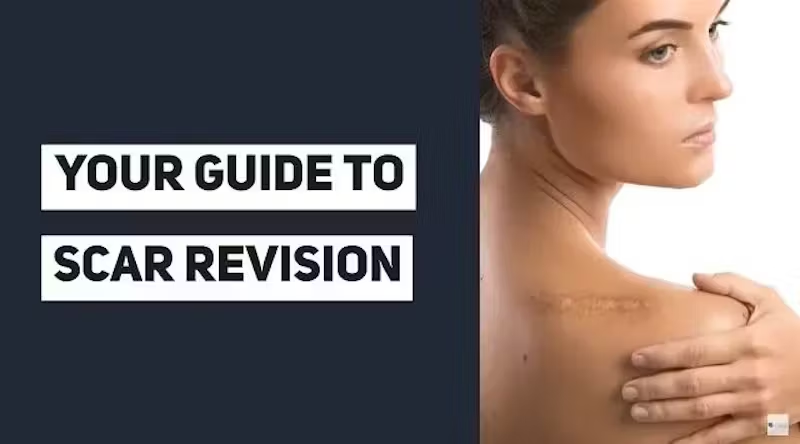
Scars are a natural part of the body’s healing process, but for many individuals, they can become a source of discomfort, reduced confidence, or even functional limitations. Whether caused by surgery, injury, burns, acne, or infections, scars may vary in size, shape, color, and texture. Fortunately, modern Scar Revision Techniques have evolved significantly, offering effective solutions to improve the appearance and feel of scars. For those seeking professional care, Scar Revision Surgery in Udaipur at Star Hospital, Udaipur provides advanced treatment options tailored to individual needs, ensuring safe procedures and noticeable improvement in scar appearance.
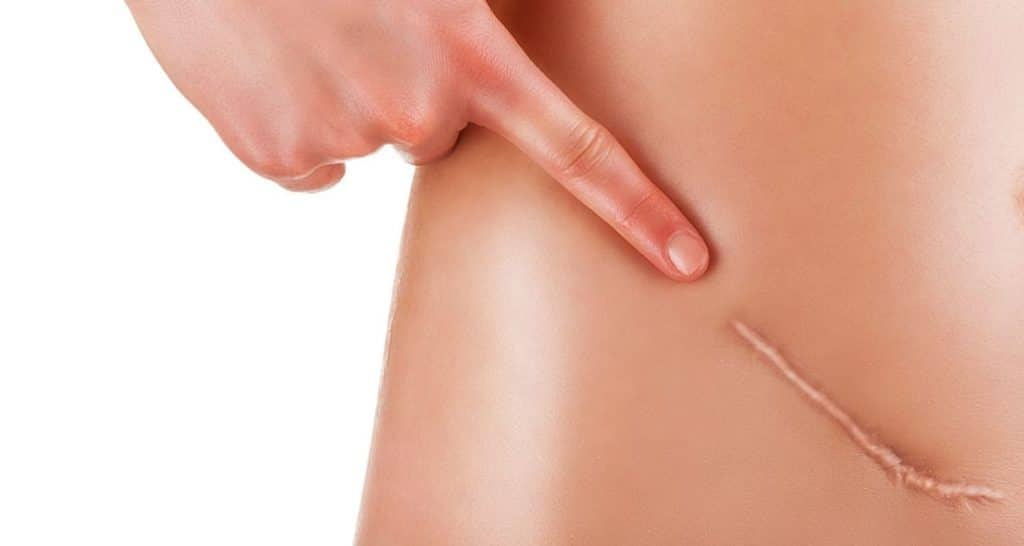
If you are considering treatment, understanding different Scar Revision Techniques is essential to making an informed decision. At Star Hospital Udaipur, patients receive personalized care and advanced treatment options designed to deliver safe and satisfying results.
This comprehensive guide will explain everything you need to know about Scar Revision Techniques, including non-surgical options, surgical methods, advanced technologies, and important considerations before choosing treatment.
What Is Scar Revision?
Scar revision refers to medical procedures aimed at improving the appearance of a scar, restoring function, or reducing discomfort. It is important to understand that scar revision does not completely remove a scar, but it can significantly improve its appearance and make it less noticeable.
Why Do Scars Form?
Scars form as part of the natural healing process when the skin repairs itself after injury. The body produces collagen fibers to close the wound, and this new tissue may look different from the surrounding skin.
Several factors influence how a scar develops:
- Depth and size of the wound
- Location on the body
- Age and skin type
- Genetics
- Infection during healing
- Tension on the wound
Some scars fade naturally over time, while others may become raised, thickened, depressed, or discolored. This is where Scar Revision Techniques play a vital role.
Types of Scars
Before selecting appropriate Scar Revision Techniques, it is important to identify the type of scar:
- Hypertrophic scars – Raised scars that remain within the wound boundary
- Keloid scars – Raised scars that grow beyond the original injury
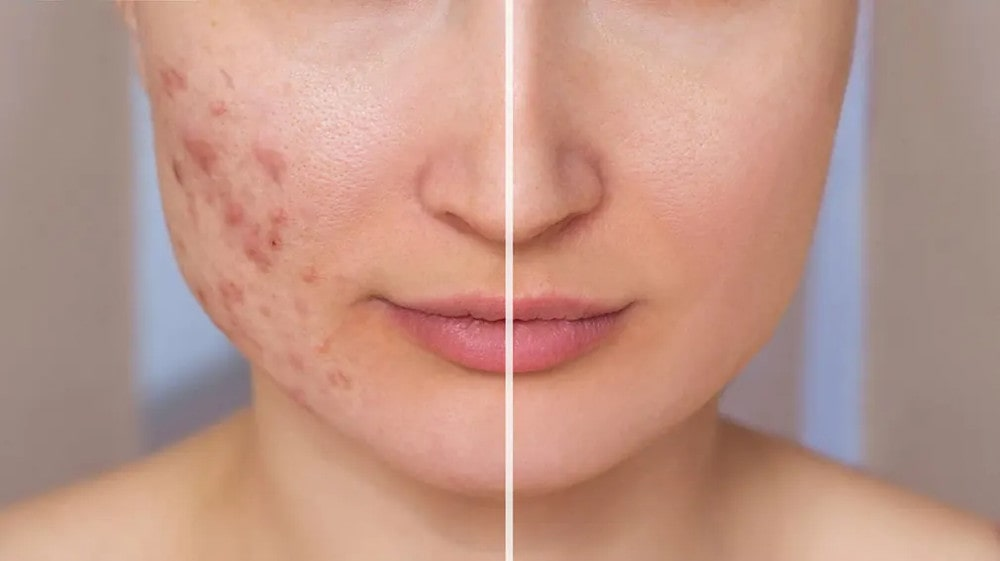
- Atrophic scars – Depressed scars commonly caused by acne or chickenpox
- Contracture scars – Often caused by burns and may restrict movement
- Stretch marks – A type of scar caused by rapid stretching of the skin
Different scar types require different Scar Revision Techniques for optimal results.
Non-Surgical Scar Revision Techniques
Non-surgical Scar Revision Techniques are often the first line of treatment. These methods are less invasive and usually involve minimal downtime. They are suitable for mild to moderate scars.
1. Topical Treatments
Topical treatments include medicated creams, silicone gels, and ointments.
- Silicone gel sheets help flatten raised scars.
- Steroid creams reduce inflammation and redness.
- Vitamin-based formulations may improve skin texture.
These treatments are most effective for newly formed scars and require consistent use over several weeks or months.
2. Steroid Injections
For hypertrophic and keloid scars, steroid injections are commonly used.
- They help reduce scar thickness.
- They decrease itching and discomfort.
- They gradually flatten raised scars.
This is one of the most widely used non-surgical Scar Revision Techniques and may require multiple sessions.
3. Laser Therapy
Laser treatment is a highly advanced non-surgical option.
- Fractional laser therapy stimulates collagen remodeling.
- It reduces redness and pigmentation.
- It improves skin texture and smoothness.
Laser-based Scar Revision Techniques are especially effective for acne scars and surgical scars.
4. Chemical Peels
Chemical peels remove the outer damaged layers of skin and promote new cell growth.
- Suitable for superficial scars.
- Improves overall skin tone.
- Enhances texture.
5. Dermal Fillers
For depressed scars, dermal fillers are used to raise the indented area.
- Immediate visible improvement.
- Minimally invasive procedure.
- Results may be temporary.
Among non-surgical Scar Revision Techniques, fillers are particularly effective for atrophic scars.
6. Microneedling
Microneedling involves creating tiny punctures in the skin to stimulate collagen production.
- Improves skin texture.
- Reduces scar depth.
- Enhances overall skin rejuvenation.
It is one of the increasingly popular Scar Revision Techniques for acne scars.
Surgical Scar Revision Techniques
When scars are severe, large, or functionally limiting, surgical Scar Revision Techniques may be recommended. These methods physically alter the scar tissue for better cosmetic and functional outcomes.
And surely results of Surgery are definitely far better than non surgical method for scar management.
1. Scar Excision
In this procedure:
- The old scar is surgically removed.
- The wound is carefully closed with precision suturing.
- A new, finer scar forms in its place.
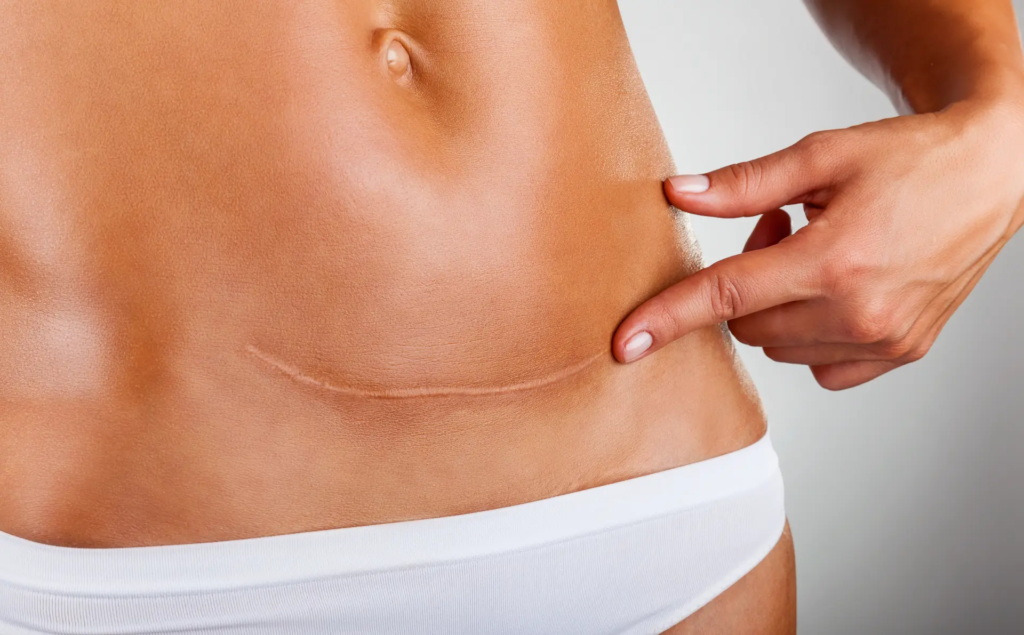
Scar excision is often used for wide or poorly healed scars.
2. Z-Plasty
Z-plasty is a specialized surgical technique that:
- Changes the direction of the scar.
- Reduces tension on the skin.
- Improves flexibility in contracture scars.
This method is commonly used for scars that restrict movement.
3. Skin Grafting
For extensive scars, especially burn scars:
- Damaged skin is removed.
- Healthy skin from another body area is transplanted.
Skin grafting is one of the more advanced surgical Scar Revision Techniques used for severe cases.
4. Tissue Expansion
This involves placing a balloon-like device under nearby skin to stretch it gradually
- New skin is generated.
- The expanded skin is used to replace scarred tissue.
Though it requires multiple stages, it provides excellent cosmetic results.
5. Subcision
Subcision is used mainly for depressed acne scars
- A needle breaks fibrous bands beneath the scar.
- The skin lifts naturally.
- Collagen formation improves appearance.
This surgical approach enhances several other Scar Revision Techniques when combined.
Emerging and Advanced Techniques
Medical technology continues to evolve, introducing innovative Scar Revision Techniques with improved safety and effectiveness.
1. Platelet-Rich Plasma (PRP)
PRP therapy uses the patient’s own blood components to promote healing.
- Stimulates collagen production.
- Enhances tissue repair.
- Speeds up recovery after laser or microneedling.
It is often combined with other Scar Revision Techniques for enhanced results.
2. Radiofrequency Therapy
Radiofrequency devices deliver controlled heat to stimulate collagen remodeling.
- Tightens skin.
- Reduces scar visibility.
- Improves texture.
3. Combination Treatments
In many cases, a single treatment is not enough. Combining multiple Scar Revision Techniques often yields the best outcome.
For example:
- Laser + PRP
- Microneedling + Topical therapy
- Surgical excision + Steroid injections
Combination therapy is frequently recommended for optimal scar improvement.
4. Fat Grafting
In this technique:
- Fat is harvested from another body area.
- It is purified and injected into depressed scars.
- Improves contour and texture.
This is particularly effective for deep atrophic scars.
Consider Scar Revision Techniques
If you are thinking about undergoing treatment, several important factors should be considered before choosing Scar Revision Techniques.
1. Timing of Treatment
- Some scars improve naturally over time.
- Surgical scar revision is usually delayed until the scar matures.
- Early intervention may be beneficial for keloids.
2. Skin Type
Different skin tones respond differently to various Scar Revision Techniques. A personalized treatment plan is essential.
3. Expectations
It is important to maintain realistic expectations.
Scar revision improves appearance but does not completely erase scars.
4. Number of Sessions
Many non-surgical Scar Revision Techniques require multiple sessions to achieve optimal results.
5. Recovery Time
- Non-surgical treatments often have minimal downtime.
- Surgical methods may require longer recovery.
6. Expert Consultation
A proper assessment is critical to determine the best approach. At Star Hospital Udaipur, experienced Plastic and Cosmetic surgeon evaluate:
- Scar type
- Skin quality
- Medical history
- Patient goals
Based on this assessment, the most suitable Scar Revision Techniques are recommended.
Benefits of Scar Revision Techniques
Choosing the right Scar Revision Techniques offers multiple benefits:
- Improved appearance
- Boosted self-confidence
- Reduced discomfort
- Better skin texture
- Enhanced mobility in contracture scars
Modern Scar Revision Techniques are safe, effective, and tailored to individual needs.
Aftercare and Maintenance
Proper aftercare plays a crucial role in the success of Scar Revision Techniques.
Patients are advised to:
- Avoid sun exposure
- Use prescribed medications
- Keep the treated area clean
- Follow follow-up appointments
- Avoid picking or scratching the scar
Strict adherence to post-treatment care ensures better long-term results.
Who Is an Ideal Candidate?
You may be a good candidate for Scar Revision Techniques if:
- Your scar causes cosmetic concerns.
- It limits movement or function.
- It causes itching or discomfort.
- You have realistic expectations.
- You are in good overall health.
A consultation at Star Hospital Udaipur will help determine whether you are suitable for these procedures.
Final Thoughts
Scars may be permanent, but their appearance does not have to define you. Thanks to advancements in medical science, a wide range of Scar Revision Techniques are now available to address different types of scars effectively.
From non-invasive treatments like laser therapy and microneedling to advanced surgical methods such as Z-plasty and tissue expansion, modern Scar Revision Techniques offer promising solutions. The key to success lies in early evaluation, expert guidance, and choosing the right treatment plan tailored to your specific scar type. With a commitment to excellence and patient-centered treatment, you can also access Best Gynecology & Cosmetic Surgery Care at Star Hospital, Udaipur, where advanced medical expertise and modern technology ensure safe, effective, and personalized outcomes.
If you are considering improving the appearance of a scar, seeking professional advice is the first step. At Star Hospital Udaipur, patients receive comprehensive assessment and customized treatment plans using the latest Scar Revision Techniques to achieve safe and satisfying results.
Understanding your options empowers you to make informed decisions. With proper care and the right approach, Scar Revision Techniques can significantly enhance both appearance and confidence, helping you feel more comfortable in your own skin