- ISO 9001:2015 Certified Hospital
- starhospitaludaipur@gmail.com
- +919660713450
- +91 9928569121

A Complete Guide to Botox: Uses, Benefits and What to Expect

बोटॉक्स (Botox) की संपूर्ण जानकारी: उपयोग, फायदे, जोखिम और उपचार के दौरान क्या उम्मीद करें?
November 11, 2026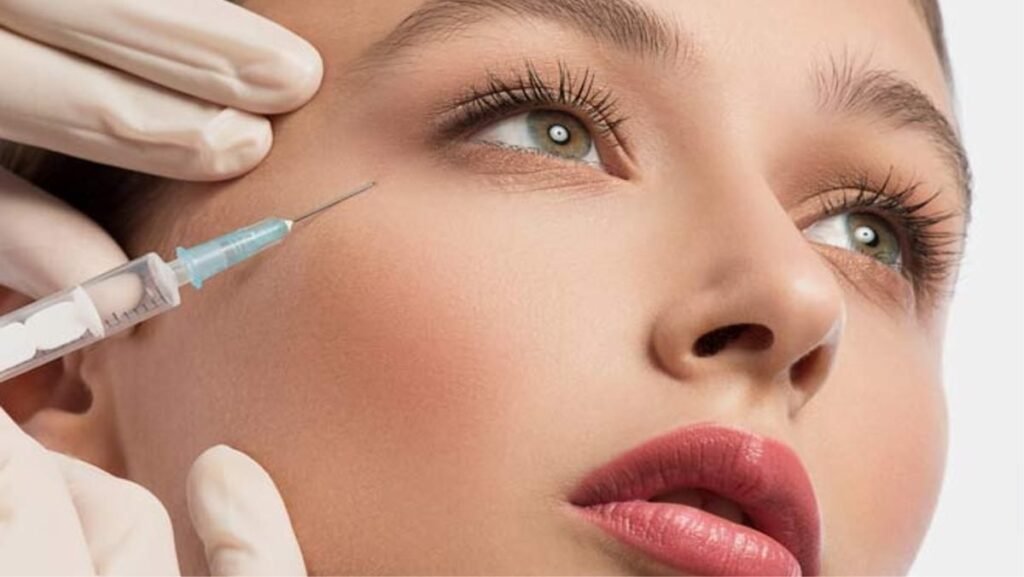
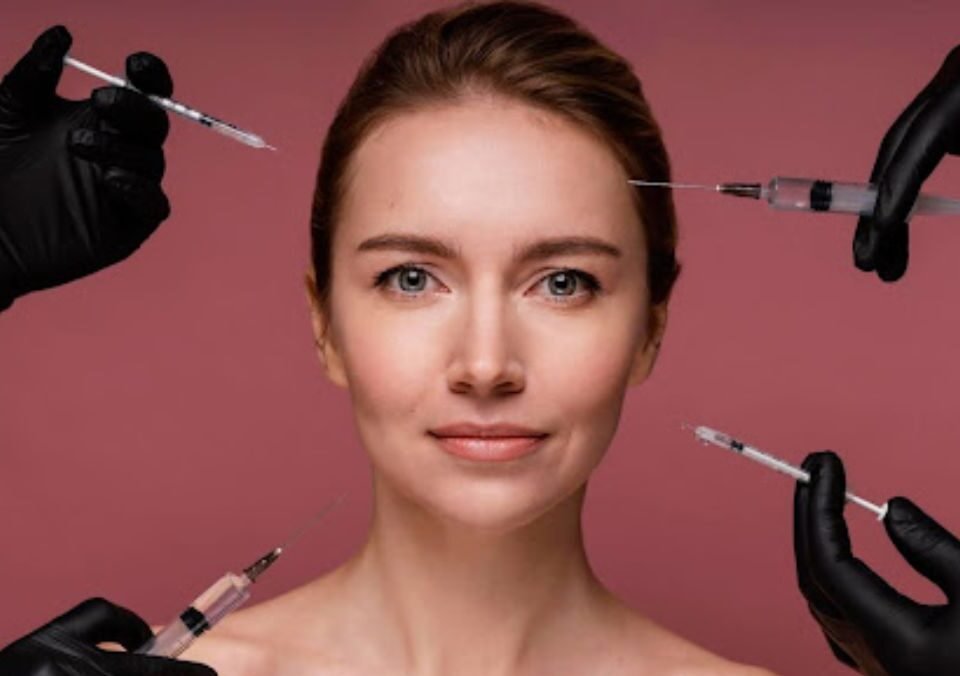
Botox has become one of the most popular non-surgical cosmetic treatments for people looking to reduce wrinkles, achieve smoother skin and maintain a youthful appearance. However, its benefits go beyond cosmetic enhancement. Botox is also used to manage several medical conditions, including chronic migraines, excessive sweating, muscle spasms and certain neurological disorders.
Despite its popularity, many people have questions about how Botox works, whether it is safe, how long the results last and what they should expect during and after treatment. Understanding the procedure, its benefits and potential risks can help individuals make informed decisions.
In this complete guide, we will explore everything you need to know about Botox treatment, from its working mechanism and applications to the procedure, recovery and possible side effects.
What Is Botox?
Botox is a purified form of botulinum toxin type A, a neurotoxin produced by the bacterium Clostridium botulinum. When administered in carefully controlled medical doses, it temporarily relaxes targeted muscles by blocking the release of acetylcholine, a chemical messenger responsible for transmitting signals from nerves to muscles.
When the targeted muscles relax, the skin above them becomes smoother, reducing the appearance of dynamic wrinkles caused by repeated facial expressions.
Botox is a brand name commonly used to describe botulinum toxin treatments. Other formulations are also available, and different products may have different dosing units. These products are not directly interchangeable.
How Does Botox Treatment Work?
Botox works by temporarily interrupting communication between nerves and specific muscles. Normally, nerve signals trigger muscles to contract, contributing to facial movements such as smiling, frowning and squinting.
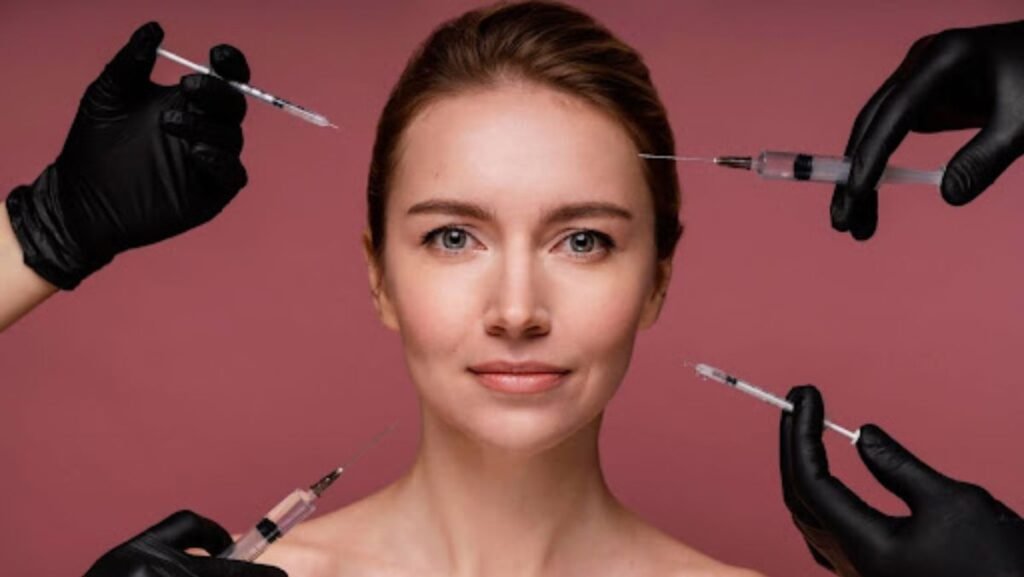
During treatment, a qualified medical professional injects small amounts of botulinum toxin into selected muscles using a fine needle. The toxin reduces muscle activity in the treated area, helping soften expression-related lines.
The treatment does not permanently damage the muscles or stop all facial movement. When administered correctly, it can provide a natural-looking appearance while preserving facial expressions.
Most patients begin noticing results within three to five days, although the full effects generally become visible within 10–14 days.
What Are the Different Uses of Botox?
Botox has both cosmetic and medical applications. Its use depends on the patient’s concerns, medical history and treatment goals.
1. Cosmetic Uses of Botox
Botox is widely used to improve the appearance of facial wrinkles and expression lines.
- Forehead lines: Helps reduce horizontal wrinkles caused by raising the eyebrows.
- Frown lines: Softens vertical lines between the eyebrows, commonly called glabellar lines or eleven lines.
- Crow’s feet: Reduces fine lines around the outer corners of the eyes.
- Bunny lines: Helps minimise wrinkles that appear on the nose when smiling or scrunching the face.
- Lip lines: Can soften certain vertical lines around the mouth.
- Lip flip: Relaxes selected muscles around the upper lip to create a subtle outward appearance.
- Chin dimpling: Helps smooth an uneven or dimpled chin caused by excessive muscle activity.
- Neck bands: Can reduce the appearance of prominent vertical neck bands in appropriately selected patients.
2. Medical Uses of Botox
Apart from aesthetic improvements, Botox is used in medical treatments to manage various health conditions.
- Hyperhidrosis: Treats excessive sweating, particularly in the underarms.
- Chronic migraines: Helps reduce the frequency of headaches in eligible adults with chronic migraine.
- Muscle spasms: Helps relax overactive muscles associated with certain neurological conditions.
- Cervical dystonia: Reduces abnormal neck muscle contractions and associated discomfort.
- Overactive bladder: Helps manage urinary urgency, frequency and urge incontinence in selected patients.
- Blepharospasm: Helps control involuntary eyelid muscle contractions.
Botox is also used for certain other conditions under specialist medical supervision.
What Are the Major Benefits of Botox Treatment?
Botox offers several advantages, making it a popular option for both cosmetic and medical purposes.
1. Reduces Fine Lines and Wrinkles
One of the primary benefits of Botox is its ability to soften dynamic wrinkles. By relaxing targeted facial muscles, it reduces the appearance of forehead lines, frown lines and crow’s feet.
2. Provides a Non-Surgical Treatment Option
Botox is a minimally invasive procedure that does not require surgery, general anaesthesia or extensive recovery time. Most patients can return to their regular activities shortly after treatment.
3. Offers Relatively Quick Results
Patients generally begin noticing improvements within a few days, with full results developing over approximately two weeks.
4. Helps Prevent Deeper Expression Lines
Regular, appropriately timed treatment may reduce repeated muscle contractions that contribute to the formation of deeper expression lines. However, it does not stop natural ageing.
5. Supports Medical Conditions
Botox can provide meaningful relief for certain medical concerns, including chronic migraines, excessive sweating and muscle-related disorders.
6. Requires Minimal Downtime
Most people can resume their normal routine immediately or shortly after treatment, depending on individual circumstances and medical advice.
What to Expect During a Botox Treatment?
Botox is generally a quick outpatient procedure. The exact treatment experience depends on the area being treated and the number of injections required.
Step 1: Initial Consultation
Before treatment, the doctor evaluates your skin, facial muscles, medical history and aesthetic goals. They may ask about medications, allergies, previous cosmetic procedures and existing health conditions.
This consultation helps determine whether Botox is appropriate and which areas should be treated.
Step 2: Preparing the Treatment Area
The doctor cleans the targeted area to minimise the risk of infection. In most cases, anaesthesia is not necessary because the injections involve minimal discomfort. A topical numbing cream or cold pack may be used if required.
Step 3: Botox Injections
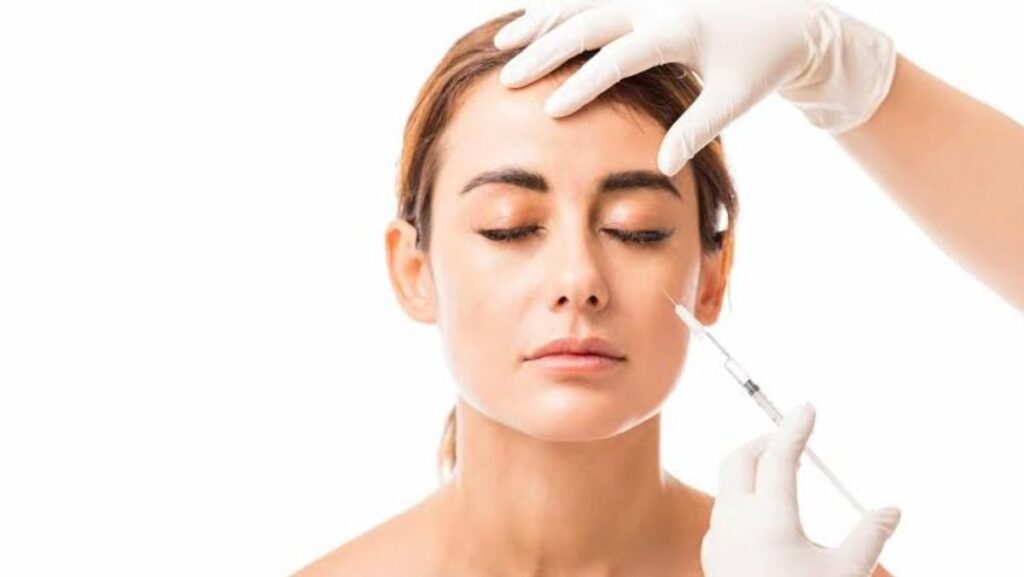
Using a fine needle, the doctor injects small amounts of Botox into specific muscles. The number of injections depends on the treatment area and the desired outcome.
The procedure usually takes around 10–30 minutes, although complex treatments may take longer.
Step 4: Post-Treatment Observation
Patients can generally return home immediately after the procedure. The doctor provides instructions regarding physical activity, skincare and other precautions.
Step 5: Visible Results
Initial improvements may appear within three to five days, while the full effects generally develop within 10–14 days. A follow-up appointment may be recommended to assess the results.
How Long Do Botox Results Last?
Botox results are temporary because the body gradually restores communication between nerves and treated muscles.
In most cosmetic applications, results last approximately three to six months. However, the duration can vary depending on:
- The treatment area and injection technique.
- The dosage administered.
- Individual metabolism and muscle activity.
- The type of botulinum toxin product used.
- Previous treatment history.
As the effects gradually wear off, muscle movement returns and expression lines may become visible again.
Patients who wish to maintain their results can discuss repeat treatments with their healthcare provider. Treatments should not be repeated more frequently than medically recommended.
What Are the Possible Side Effects and Risks of Botox?
Although Botox is generally well tolerated when administered by a qualified professional, it can cause temporary side effects and, rarely, serious complications.
Common Side Effects
Most common side effects are mild and resolve without specific treatment.
- Mild pain or discomfort at the injection site.
- Redness and swelling.
- Temporary bruising.
- Headache.
- Localised tenderness.
- Temporary weakness in nearby muscles.
- Drooping eyelids or eyebrows in some patients.
Rare but Serious Risks
In rare cases, the effects of botulinum toxin can spread beyond the injection site and cause symptoms similar to botulism.
These may include:
- Difficulty swallowing.
- Difficulty speaking.
- Muscle weakness beyond the treated area.
- Blurred or double vision.
- Difficulty breathing.
Seek immediate medical attention if these symptoms occur.
Serious complications are uncommon with appropriately administered treatment, but understanding the risks is important before proceeding.
Who Should Avoid Botox Treatment?
Botox may not be suitable for everyone. A medical consultation is essential to determine individual eligibility.
Treatment is generally avoided in people who:
- Have a known allergy to botulinum toxin or any formulation ingredient.
- Have an infection at the proposed injection site.
- Have certain neuromuscular conditions, such as myasthenia gravis or Lambert-Eaton syndrome.
- Are pregnant or breastfeeding, as cosmetic treatment is generally deferred due to insufficient safety data.
- Have certain medical conditions or take medications that may increase the risk of complications.
People taking muscle relaxants, certain antibiotics or blood-thinning medications should inform their doctor before treatment. Do not stop prescribed medication without medical advice.
How to Prepare for Botox Treatment
Proper preparation can help make the treatment experience smoother and minimise potential complications.
Consider the following recommendations:
- Choose a qualified practitioner: Select a registered and appropriately trained medical professional with experience in administering botulinum toxin.
- Share your medical history: Inform your doctor about existing medical conditions, allergies and previous cosmetic treatments.
- Discuss medications: Provide details of prescription medicines, supplements and over-the-counter products.
- Avoid self-medication: Do not discontinue blood thinners or other prescribed medicines without consulting your doctor.
- Discuss realistic expectations: Understand what Botox can and cannot achieve before proceeding.
- Avoid treatment during active skin infections: Allow the affected area to heal and seek medical advice before rescheduling.
Essential Aftercare Tips Following Botox Treatment
Following the recommended aftercare instructions can help minimise discomfort and support the best possible treatment outcome.
- Avoid rubbing, massaging or applying unnecessary pressure to the treated areas for the period advised by your doctor.
- Remain upright for approximately four hours after treatment if instructed by your practitioner.
- Avoid strenuous exercise for the remainder of the day or as advised.
- Avoid excessive heat exposure, such as saunas, immediately after treatment.
- Continue your regular skincare routine gently, avoiding unnecessary irritation.
- Attend follow-up appointments to evaluate treatment results.
- Contact your doctor if you experience unusual symptoms or unexpected changes.
There is generally no need for an extended recovery period, and most patients can resume their everyday activities shortly after treatment.
Is Botox Safe for Long-Term Use?
Botox has been used for cosmetic and medical purposes for several decades. Clinical evidence supports its safety and effectiveness for approved indications when administered at appropriate doses by qualified healthcare professionals.
However, repeated treatment should always be medically supervised. Potential concerns include temporary muscle weakness, unwanted changes in facial appearance and, in some cases, reduced treatment response.
Long-term safety depends on the formulation, treatment frequency, dosage, injection technique and individual health factors.
It is important to follow professional recommendations rather than undergoing frequent injections simply to maintain cosmetic results.
Botox vs Dermal Fillers: What Is the Difference?
Botox and dermal fillers are injectable cosmetic treatments, but they work differently and address different concerns.
Botox
- Relaxes targeted muscles
- Reduces dynamic wrinkles
- Commonly treats forehead lines and crow’s feet
- Effects generally last 3–6 months
- Contains botulinum toxin
Dermal Fillers
- Adds volume beneath the skin
- Improves volume loss and static wrinkles
- Commonly treats cheeks, lips and facial folds
- Results may last several months or longer, depending on the filler
- Commonly contains hyaluronic acid or other approved substances
Both treatments may be combined in selected patients, depending on their aesthetic goals and medical suitability.
Conclusion
Botox is a versatile treatment that offers both cosmetic and medical benefits. From reducing forehead wrinkles and crow’s feet to managing chronic migraines and excessive sweating, it can address several concerns without requiring surgery.
However, achieving safe and satisfactory results depends on proper patient assessment, appropriate dosage and the expertise of the treating professional. Understanding the procedure, possible side effects, recovery process and realistic expectations is essential before making a decision.
If you are considering Botox treatment, consult a qualified dermatologist or medical professional to determine whether it is suitable for your needs. With the right guidance and personalised treatment plan, Botox can help you achieve your desired results safely and confidently.
Botox and Filler procedures are regularly being done at Star Hospital , Udaipur by an experienced Cosmetic and Plastic surgeon in Udaipur with great results.
Frequently Asked Questions (FAQs)
1. Is Botox treatment painful?
Botox injections generally cause minimal discomfort. Patients may experience a slight pinching or stinging sensation during the procedure.
2. At what age can someone get Botox?
There is no universal ideal age for cosmetic Botox. Suitability depends on individual concerns, medical history and treatment goals. Adults should consult a qualified professional before treatment.
3. How many days does Botox take to show results?
Initial results may become noticeable within three to five days, while the full effects generally develop within 10–14 days.
4. Can Botox permanently remove wrinkles?
No. Botox temporarily relaxes targeted muscles and reduces expression lines. It does not permanently eliminate wrinkles or stop the natural ageing process.
5. Can I return to work after Botox treatment?
Yes. Most patients can return to work and normal daily activities immediately after treatment, subject to their doctor’s aftercare instructions.
6. How frequently should Botox be repeated?
Cosmetic Botox is commonly repeated every three to four months, depending on individual results and medical recommendations.