- ISO 9001:2015 Certified Hospital
- starhospitaludaipur@gmail.com
- +919660713450
- +91 9928569121

Eyelid Surgery: Benefits, Procedure, and Recovery Guide

Liposuction Surgery: Benefits, Process and Recovery Guide
November 20, 2026
पलक की सर्जरी: लाभ, प्रक्रिया और ठीक होने की पूरी जानकारी
November 25, 2026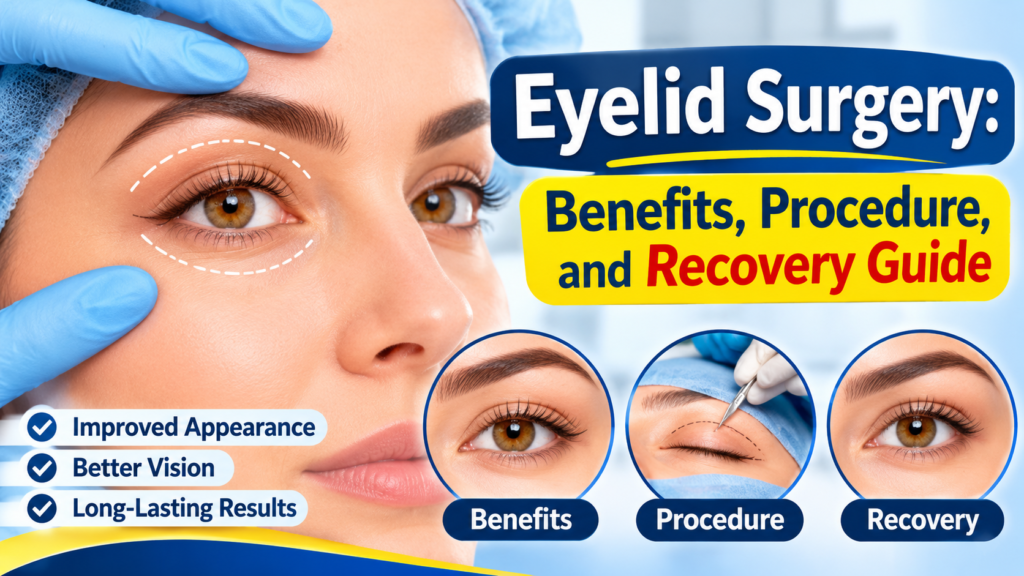
The eyes play an important role in facial appearance and expression. However, ageing, genetics, and changes in skin elasticity can cause drooping eyelids, puffiness, and under-eye bags. These concerns may make a person appear tired and, in some cases, excess upper eyelid skin can interfere with vision. Star Hospital Udaipur understands the importance of proper evaluation and patient care when considering cosmetic and functional procedures around the eyes. If you are looking for the best cosmetic surgeon in Udaipur, consulting an experienced specialist can help you understand suitable treatment options. One option that may be discussed with a qualified Plastic and Cosmetic Surgeon is eyelid Aesthetic surgery, which aims to improve the appearance or function of the eyelids, depending on individual needs.
Before choosing any procedure, it is important to understand its benefits, surgical steps, recovery process, and possible risks. Learning about these aspects can help patients have informed discussions with their doctor and develop realistic expectations.
What Is Eyelid Surgery?
Eyelid surgery, medically known as blepharoplasty surgery, is a procedure that removes or repositions excess skin, muscle, and fat around the upper or lower eyelids. It may be performed for cosmetic reasons or to address functional concerns caused by drooping eyelid skin.
The procedure can focus on the upper eyelids, lower eyelids, or both. The recommended approach depends on the patient’s facial structure, eye health, skin condition, and treatment goals. A detailed consultation helps determine whether surgery is appropriate and which technique may be suitable.
Benefits of Eyelid Surgery
The potential benefits depend on the patient’s condition and the surgical approach. Some commonly discussed benefits include:
1. Reduces Drooping Upper Eyelid Skin
Excess skin on the upper eyelids can create a heavy appearance and sometimes affect the upper field of vision. Removing carefully selected excess skin may create a more defined eyelid contour. When drooping skin affects vision, a specialist may also assess its functional impact.
2. Improves the Appearance of Under-Eye Bags
Fat deposits and changes in skin elasticity can contribute to puffiness beneath the eyes. A suitable procedure may remove or reposition excess fat to create a smoother transition between the lower eyelid and cheek.
3. Creates a More Refreshed Appearance
Heavy eyelids and prominent under-eye bags can make someone appear tired. Correcting these concerns may help the eye area look more rested while maintaining natural facial features.
4. Supports Functional Improvement in Selected Cases
For some individuals, excess upper eyelid skin can obstruct vision. A medical assessment can establish whether the problem is related to excess skin, eyelid muscle weakness, or another condition requiring a different treatment.
Types of Eyelid Procedures
The surgical technique depends on the area being treated and the patient’s individual requirements.
Upper Eyelid Procedure
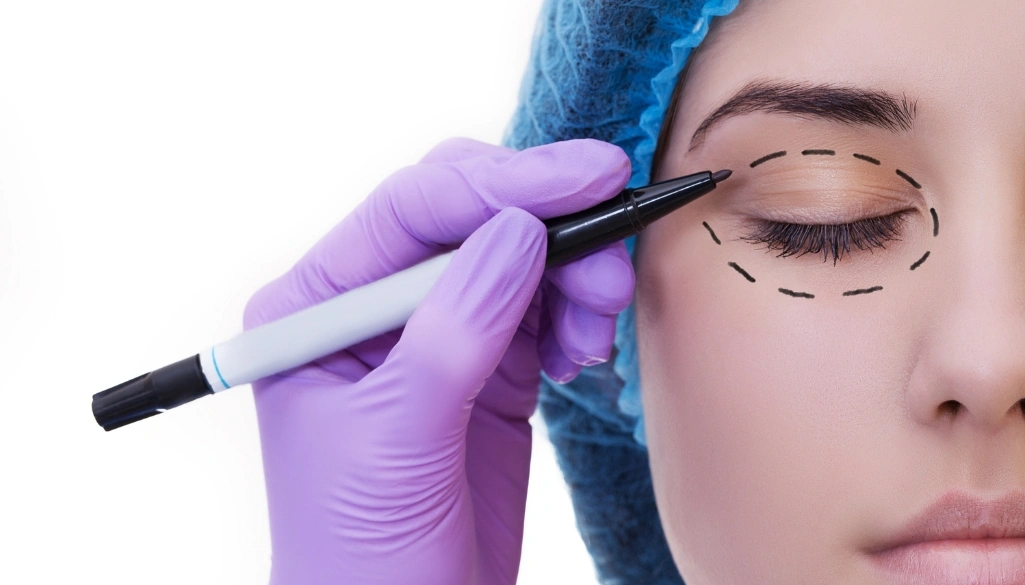
Upper eyelid surgery focuses on excess skin and, when necessary, underlying fat or muscle. The incision is generally planned within the natural eyelid crease so that the resulting scar is less noticeable after healing.
Lower Eyelid Procedure
Lower eyelid surgery addresses concerns such as under-eye bags, excess skin, and prominent fat deposits. Depending on the patient’s anatomy, the surgeon may make an incision just below the eyelashes or inside the lower eyelid. The choice of technique depends on whether skin removal, fat repositioning, or other adjustments are required.

Read More:Medi Facial Treatments: Benefits and What to Expect
How Is the Procedure Performed?
The exact surgical process varies according to the treatment plan, but it generally involves several stages.
1. Consultation and Assessment
The Cosmetic surgeon examines the eyelids, discusses medical history, reviews medications, and understands the patient’s expectations. Eye health, vision concerns, previous procedures, and conditions that may affect healing are also important considerations.
2. Anaesthesia
The procedure may be performed using local anaesthesia with sedation or general anaesthesia, depending on the extent of surgery and the surgeon’s recommendation.
3. Incision and Correction
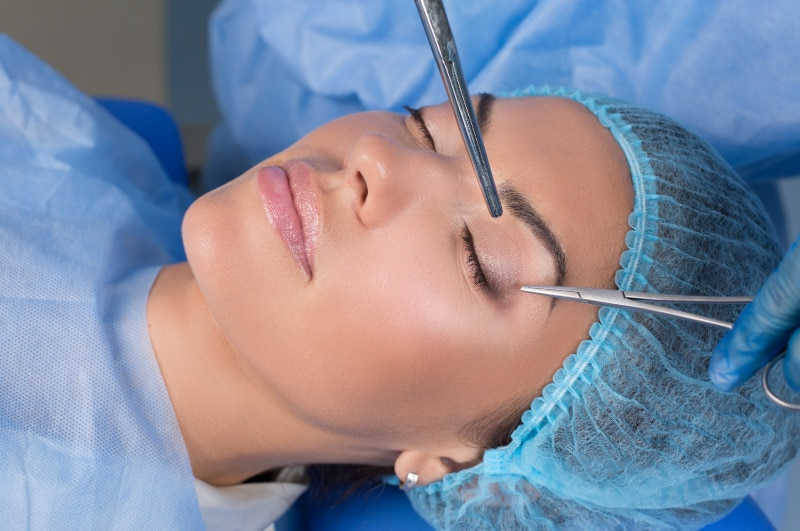
The surgeon makes carefully planned incisions and removes or repositions selected skin, fat, or muscle. The aim is to address the identified concern without removing excessive tissue.
4. Closing the Incisions
The incisions are closed using suitable sutures or other closure methods. The patient is then monitored during the initial recovery period and receives instructions for home care.
Recovery After Eyelid Surgery
Recovery is an important part of the treatment process. Swelling, bruising, mild discomfort, dryness, and temporary irritation may occur during the initial healing period. These effects generally improve gradually, although the recovery experience differs from person to person.
Patients should follow their surgeon’s instructions carefully. Common recommendations may include:
- Use cold compresses: Apply them only as directed to help manage swelling.
- Keep your head elevated: Use extra pillows when resting if recommended.
- Follow medication instructions: Use prescribed ointments or eye drops as advised.
- Protect your eyes: Wear sunglasses outdoors and avoid unnecessary sun exposure.
- Avoid strenuous activities: Exercise, heavy lifting, swimming, and other restricted activities should be resumed only with medical approval.
- Attend follow-up appointments: These visits allow the surgeon to monitor healing and identify concerns.
Many patients return to light daily activities within approximately one to two weeks, but bruising and swelling can take longer to settle. Final healing may continue over several months.
Possible Risks and Complications
Like other surgical procedures, eyelid surgery carries potential risks. These may include infection, bleeding, swelling, bruising, dry eyes, changes in skin sensation, visible scarring, asymmetry, and difficulty closing the eyes completely. Temporary vision changes may also occur, while serious vision complications are rare.
Patients should discuss their medical history, existing eye conditions, expected outcomes, and possible complications with their surgeon before making a decision. They should also understand when to seek medical attention if unexpected symptoms develop after surgery.
Who May Be a Suitable Candidate?
A person considering this procedure should undergo an individual medical evaluation. Suitability may depend on overall health, eye health, skin condition, healing ability, and treatment expectations.
People with certain eye conditions, uncontrolled medical problems, or factors that may interfere with healing may require additional assessment. It is also important to understand that drooping eyelids can sometimes result from eyebrow position or eyelid muscle weakness rather than excess skin alone.
Conclusion
Understanding the benefits, surgical steps, recovery requirements, and potential risks is essential before deciding on treatment for drooping eyelids or under-eye bags. The right approach depends on individual anatomy, eye health, and realistic expectations. A qualified specialist can explain suitable options and guide patients through the decision-making process.
For individuals exploring treatment options, Star Hospital Udaipur can be considered as a point of contact for discussing their concerns and seeking professional medical guidance. If you are searching for the best hospital in Udaipur, choosing a healthcare facility that prioritizes proper evaluation, patient safety, and specialist consultation is important. A proper consultation is the first step toward understanding whether this procedure is appropriate for your needs.
Frequently Asked Questions About Eyelid Surgery
1. What is eyelid surgery?
Eyelid surgery or Blepharoplasty is a procedure that removes or repositions excess skin, fat, or muscle around the eyelids.
2. Who is a suitable candidate for eyelid surgery?
People with drooping eyelids, excess eyelid skin, or under-eye bags may be suitable after medical evaluation.
3. How long does eyelid surgery take?
The duration depends on the surgical technique and whether one or both eyelids are treated.
4. How much time does recovery take after eyelid surgery?
Many patients resume light activities within one to two weeks, while complete healing may take several months.
5. Is eyelid surgery safe?
It is generally considered safe when performed by a qualified surgeon, but like every surgery, it carries potential risks.