- ISO 9001:2015 Certified Hospital
- starhospitaludaipur@gmail.com
- +919660713450
- +91 9928569121

Hormonal Problems in Women: Causes, Symptoms, Types and Treatment

स्त्रियों में हार्मोनल समस्याएं: कारण, लक्षण, प्रकार और उपचार
September 30, 2026
प्लास्टिक सर्जरी: लाभ, प्रक्रियाएं और उपचार के विकल्प
October 3, 2026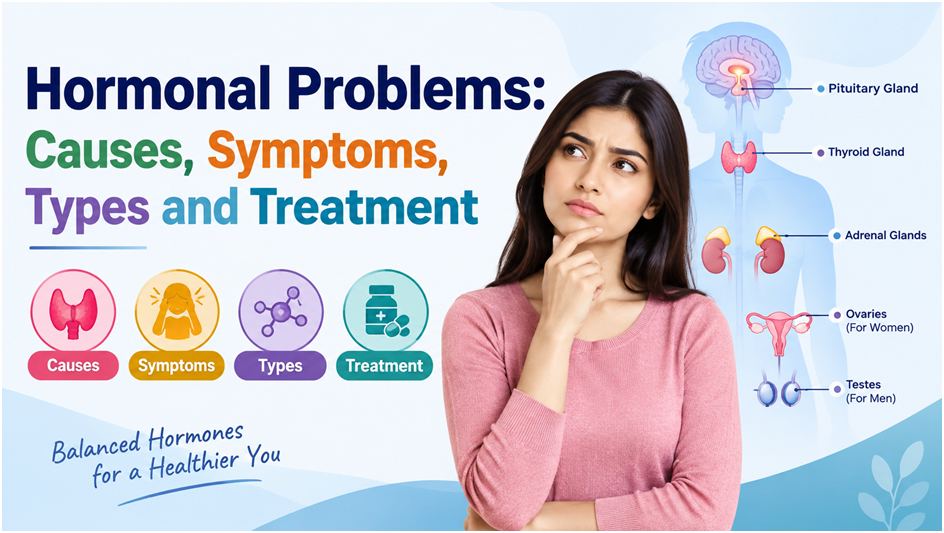
Hormonal Problems in women can affect many aspects of physical and emotional well-being because hormones act as chemical messengers throughout the body. They influence metabolism, growth, reproduction, sleep, mood, blood sugar, and many other essential functions. When hormone levels become too high or too low, symptoms may develop gradually or appear suddenly. Understanding these changes can help people recognize when professional medical advice may be needed. Star Hospital provides medical care for women seeking evaluation of symptoms that may be linked to hormonal changes. For women experiencing hormone-related symptoms associated with PCOS, seeking appropriate Hormonal Treatment for PCOS in Udaipur can help support proper evaluation and management of the condition.
Hormonal Problems may occur at different stages of life. Some changes are temporary, while others are related to conditions involving glands such as the thyroid, pituitary, adrenal glands, pancreas, ovaries, or testes. Symptoms can overlap with other health conditions, so self-diagnosis is not recommended. A doctor may review medical history, perform a physical examination, and recommend blood tests or other investigations to understand what is happening.
Hormonal Problems in women: Common Causes
Hormonal changes can have several possible causes. Some are associated with natural life stages, while others develop because of an underlying medical condition.
Common Causes Include
- Thyroid disorders that affect the production of thyroid hormones
- Polycystic ovary syndrome, which may alter reproductive hormones
- Diabetes and changes in insulin regulation
- Menopause and other reproductive life-stage changes
- Pregnancy and the postpartum period
- Problems affecting the pituitary or adrenal glands
- Certain medicines or long-term medical conditions
- Significant changes in body weight
- Ongoing stress, poor sleep, or an unhealthy lifestyle in some cases
The exact cause depends on the hormone involved and the individual’s overall health. A healthcare professional can determine whether symptoms are related to a hormonal condition or another problem.
Hormonal Symptoms to Watch For
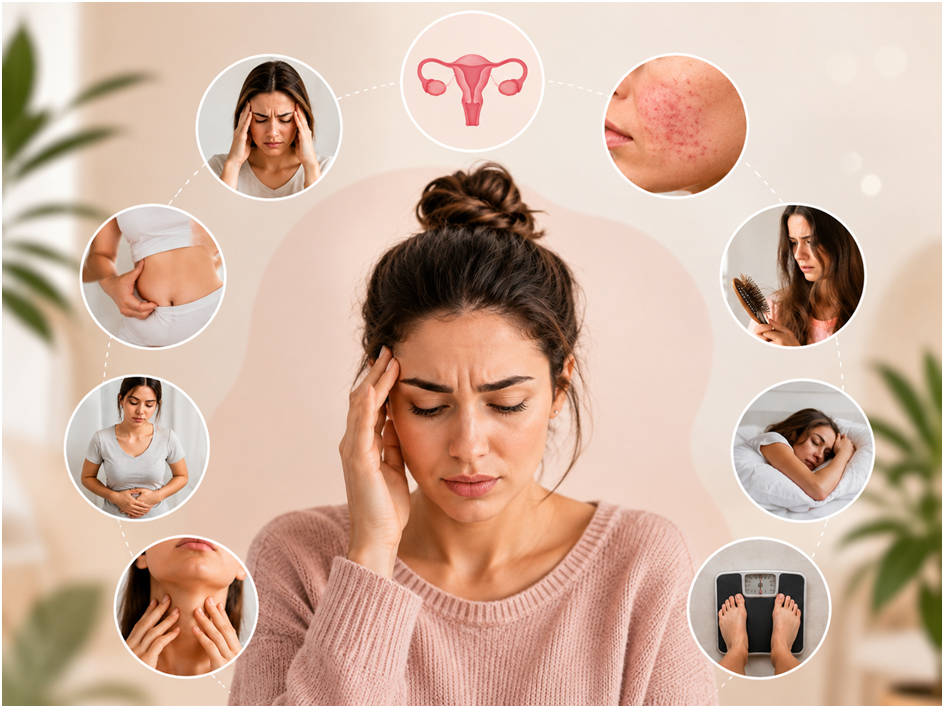
Hormonal Disorder Symptoms can vary considerably depending on which hormone is affected. Some people experience only one or two changes, while others develop several symptoms at the same time.
Possible Symptoms Include
- Unexplained weight gain or weight loss
- Persistent tiredness or reduced energy
- Changes in sleep patterns
- Mood changes, anxiety, or irritability
- Irregular or absent menstrual periods
- Acne or unusual changes in skin
- Excessive hair growth or hair thinning
- Reduced sexual desire
- Increased thirst or frequent urination
- Changes in body temperature tolerance
- Difficulty concentrating
- Changes in muscle strength
These symptoms do not automatically indicate a hormonal disorder. They can occur with nutritional deficiencies, infections, stress, medication effects, or other medical conditions. Persistent, severe, or unexplained symptoms should be discussed with a qualified healthcare professional.
Types of Hormonal Problems
There are several types of hormonal conditions because the body produces many different hormones. The most common examples involve the thyroid, reproductive system, adrenal glands, and insulin regulation.
Thyroid-Related Conditions
An underactive thyroid, known as hypothyroidism, may cause fatigue, weight gain, dry skin, constipation, and sensitivity to cold. An overactive thyroid, or hyperthyroidism, can cause weight loss, rapid heartbeat, sweating, nervousness, and heat intolerance.
Reproductive Hormone Changes
Changes in estrogen, progesterone, testosterone, or other reproductive hormones can affect menstruation, fertility, sexual health, mood, and body composition. Conditions such as PCOS can also involve irregular periods, acne, and increased hair growth.
Insulin-Related Problems
Insulin helps regulate blood glucose. When the body does not produce enough insulin or cannot use it effectively, blood sugar can rise. Diabetes is a major condition associated with insulin regulation and requires appropriate medical management.
Adrenal and Pituitary Conditions
The adrenal and pituitary glands help control several important body functions. Disorders affecting these glands can influence stress hormones, growth, blood pressure, metabolism, and reproductive function.
How Hormonal Imbalance Is Diagnosed
Hormonal Problems are not diagnosed only from symptoms. Hormonal Imbalance is not diagnosed only from symptoms. Doctors usually consider the person’s age, medical history, medications, lifestyle, and pattern of symptoms before deciding which tests are appropriate.
Depending on the suspected condition, evaluation may include blood tests to measure specific hormone levels. Imaging tests or other investigations may sometimes be recommended. In women, the timing of certain tests can matter because hormone levels naturally change during the menstrual cycle.
A proper diagnosis is important because treatment depends on the cause. For example, thyroid-related changes require a different approach from reproductive hormone disorders or problems involving blood glucose.
Treatment Options
Treatment varies according to the hormone affected, the severity of the condition, the underlying cause, and the person’s overall health. A doctor may recommend medicines, hormone replacement, treatment of an underlying disease, or lifestyle changes.
For some thyroid conditions, medicines may help restore hormone levels. In selected reproductive hormone disorders, treatment may focus on menstrual regulation, fertility, or managing symptoms. Diabetes may require dietary changes, physical activity, medicines, insulin, or a combination of approaches.
Hormonal Disorder Symptoms should not be treated with supplements or hormone medicines without medical guidance. Taking hormones unnecessarily can cause side effects and may interfere with other treatments.
Lifestyle Measures That May Help
Healthy daily habits can support overall endocrine and metabolic health, although lifestyle measures cannot replace treatment for an established hormonal condition.
Helpful Habits
- Eat a balanced diet with adequate protein, fiber, vitamins, and minerals.
- Stay physically active according to your fitness level and medical advice.
- Maintain a regular sleep schedule and aim for sufficient sleep.
- Manage ongoing stress through relaxation, exercise, or other healthy activities.
- Avoid smoking and limit alcohol consumption.
- Take prescribed medicines exactly as directed.
- Attend recommended follow-up appointments and laboratory tests.
Maintaining a healthy weight can also be helpful for some conditions, particularly those involving insulin regulation or reproductive hormones.
When to See a Doctor
Some hormone-related changes are mild, but persistent or worsening symptoms deserve medical attention. Seek professional evaluation if you have unexplained weight changes, prolonged fatigue, significant menstrual changes, persistent palpitations, unusual thirst or urination, major changes in hair growth, or ongoing problems with mood or sleep.
Hormonal Problems can sometimes develop slowly, making them easy to overlook. Keeping a record of symptoms, menstrual changes, medicines, sleep patterns, and weight changes can help a doctor understand the overall pattern.
Conclusion
Hormonal Problems can influence metabolism, reproductive health, energy, mood, sleep, and many other functions in women. Because symptoms can resemble those of other conditions, accurate diagnosis is essential before starting treatment. Early medical evaluation can help identify the underlying cause and guide an appropriate care plan. Healthy lifestyle habits can support treatment, but they should be combined with professional advice when a medical condition is suspected. For people looking for medical evaluation and care, Star Hospital can be considered as part of the process of discussing persistent symptoms with a healthcare professional.
Frequently Asked Questions About Hormonal Problems
1. What are hormonal problems in women?
Hormonal problems occur when the body produces too much or too little of a particular hormone. They can affect metabolism, growth, mood, reproduction, sleep, and other body functions.
2. What are the common symptoms of hormonal problems in women?
Common symptoms may include unexplained weight changes, tiredness, mood changes, irregular periods, sleep problems, hair changes, acne, and changes in sexual desire.
3. What causes hormonal problems in women?
Hormonal problems can be caused by thyroid disorders, PCOS, diabetes, menopause, pregnancy, certain medicines, stress, or conditions affecting hormone-producing glands.
4. How are hormonal problems diagnosed?
Doctors may review symptoms and medical history and recommend blood tests to check hormone levels. Depending on the suspected condition, additional tests may also be required.
5. Can hormonal problems be treated?
Yes, many hormonal conditions can be managed with appropriate treatment. Depending on the cause, treatment may include medicines, hormone therapy, lifestyle changes, or treatment of an underlying condition.