- ISO 9001:2015 Certified Hospital
- starhospitaludaipur@gmail.com
- +919660713450
- +91 9928569121

Intimate Wellness for Modern Women: A Complete Health Guide

आधुनिक महिलाओं के लिए इंटिमेट वेलनेस: एक संपूर्ण स्वास्थ्य गाइड
July 15, 2026
मेनोपॉज़ और इंटिमेट वेलनेस: इलाज के आधुनिक तरीके जिनके बारे में आपको पता होना चाहिए
July 18, 2026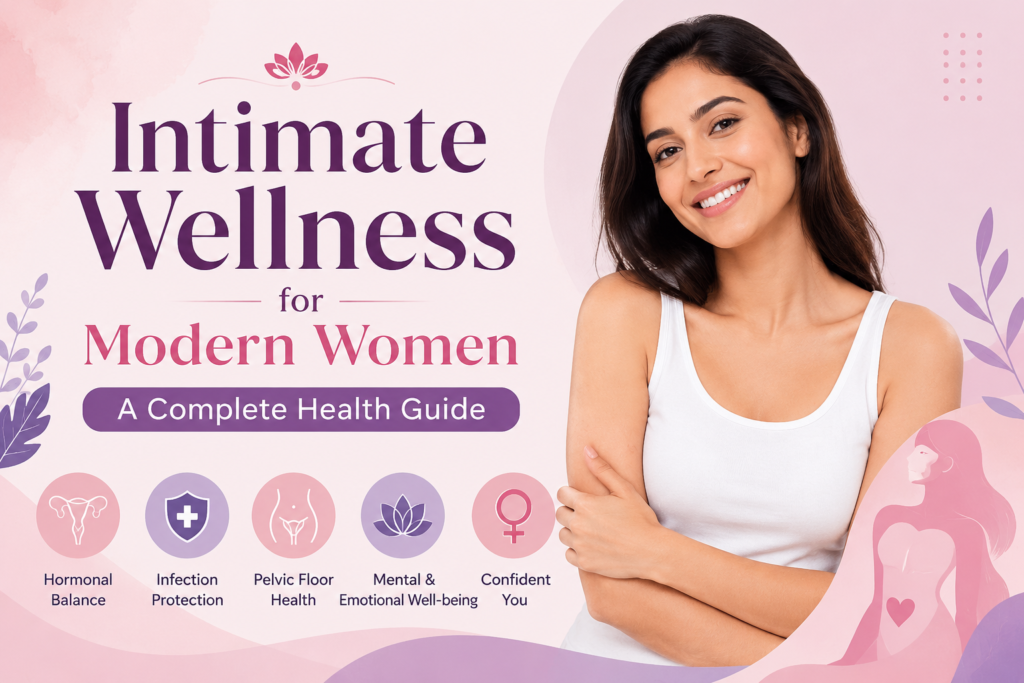
Introduction
Intimate wellness is an essential part of a woman’s overall health and well-being. While many women focus on fitness, nutrition, and skincare, intimate health often receives less attention despite its importance. Maintaining good intimate wellness contributes to physical comfort, emotional confidence, reproductive health, and a better quality of life. For women seeking expert care and personalized treatment, cosmetic gynaecology udaipur at Star Hospital, offers advanced solutions to support intimate health, restore confidence, and improve overall well-being.
Modern lifestyles, work-related stress, hormonal changes, pregnancy, childbirth, aging, and certain medical conditions can all affect intimate health. Fortunately, with the right knowledge, healthy habits, and timely medical care, women can maintain excellent intimate wellness throughout every stage of life.
This guide explores everything women should know about intimate wellness, including hygiene, hormonal health, common concerns, preventive care, and available treatment options.

What Is Intimate Wellness?
Intimate wellness refers to the health of the female intimate area, including the reproductive organs, pelvic floor, vaginal health, hormonal balance, and sexual well-being. It is closely connected with overall physical and mental health.
Good intimate wellness includes:
- Proper vaginal hygiene
- Healthy hormonal function
- Strong pelvic floor muscles
- Comfortable daily activities
- Healthy reproductive system
- Prevention of infections
- Regular gynecological checkups
- Positive body confidence
Taking care of intimate health is not just about treating problems—it is about preventing them before they develop.
Why Intimate Wellness Matters
A healthy intimate area supports several important functions in a woman’s body. Ignoring symptoms or delaying treatment may lead to unnecessary discomfort and long-term complications.
Some major benefits of maintaining intimate wellness include:
- Better reproductive health
- Reduced risk of infections
- Improved urinary health
- Greater comfort during daily activities
- Increased confidence
- Healthy intimate relationships
- Early detection of medical conditions
- Better quality of life
Women of every age can benefit from paying attention to their intimate health.
Common Intimate Health Concerns
Many women experience intimate health issues at different stages of life. Some problems are temporary, while others require medical evaluation.
Common concerns include:
- Vaginal dryness
- Recurrent urinary tract infections
- Vaginal itching or irritation
- Unusual discharge
- Pain during intimacy
- Pelvic pain
- Urinary leakage
- Menstrual irregularities
- Hormonal imbalance
- Loss of vaginal elasticity after childbirth
These symptoms should never be ignored, especially if they persist or worsen over time.
Daily Hygiene Habits for Better Intimate Health
Simple daily habits can significantly improve intimate wellness and reduce the risk of infections.
Healthy hygiene practices include:
- Wash the external intimate area with clean water daily.
- Choose mild, fragrance-free cleansers when necessary.
- Wear breathable cotton underwear.
- Change out of wet clothing promptly.
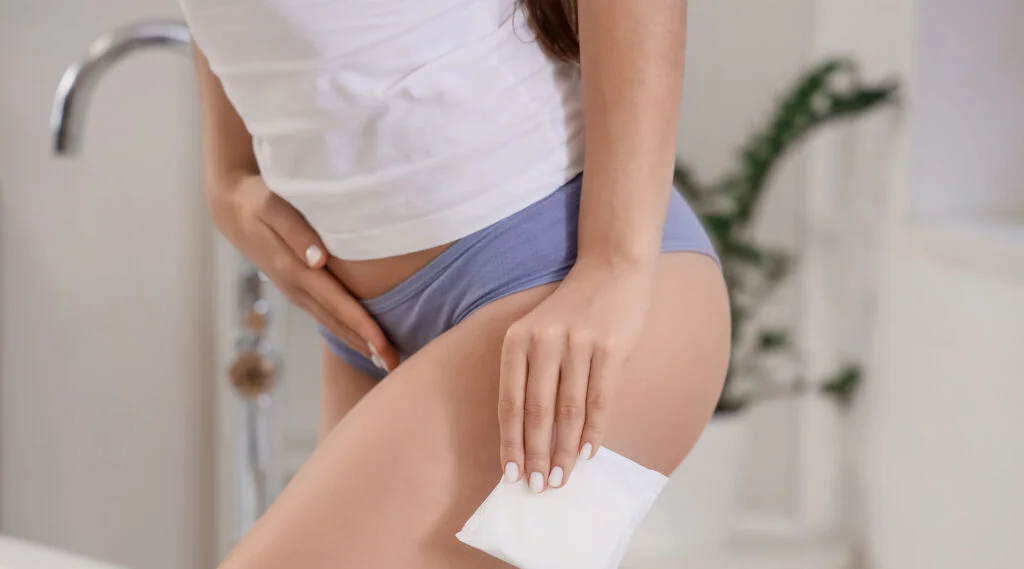
- Maintain good menstrual hygiene by changing sanitary products regularly.
- Avoid excessive use of scented products around the intimate area.
- Stay hydrated throughout the day.
- Practice safe intimate hygiene after exercise.
The vagina naturally maintains its own healthy environment, so excessive cleaning or harsh products should be avoided.
Nutrition and Intimate Wellness
A balanced diet plays an important role in maintaining reproductive and intimate health. Proper nutrition supports hormonal balance, tissue repair, and immune function.
Foods that support intimate wellness include:
- Fresh fruits
- Green leafy vegetables
- Whole grains
- Lean proteins
- Yogurt containing probiotics
- Nuts and seeds
- Healthy fats
- Plenty of water
Limiting excessive sugar and processed foods may also help reduce the risk of certain infections.
The Importance of Hormonal Balance
Hormones influence almost every aspect of a woman’s intimate health. Estrogen, progesterone, and other hormones affect menstrual cycles, vaginal moisture, fertility, mood, and bone health.
Hormonal changes commonly occur during:
- Puberty
- Pregnancy
- Breastfeeding
- Perimenopause
- Menopause
Symptoms of hormonal imbalance may include:
- Irregular periods
- Mood changes
- Hot flashes
- Vaginal dryness
- Fatigue
- Sleep disturbances
- Reduced libido
Medical consultation can help identify hormonal issues and recommend appropriate treatment.
Pelvic Floor Health
The pelvic floor consists of muscles that support the bladder, uterus, and bowel. These muscles are essential for bladder control, posture, and intimate function.
Factors that may weaken the pelvic floor include:
- Pregnancy
- Childbirth
- Aging
- Obesity
- Chronic coughing
- Heavy lifting
Strong pelvic floor muscles can help prevent urinary leakage and improve overall pelvic health.
Simple pelvic floor exercises, when performed correctly and consistently, can strengthen these muscles over time.
Vaginal Health Across Different Life Stages
Women’s intimate health changes naturally throughout life.
Teenage Years
Hormonal changes begin during puberty. Learning proper hygiene and understanding menstrual health are important during this stage.
Reproductive Years
During adulthood, women should focus on reproductive health, infection prevention, family planning, and regular gynecological examinations.
Pregnancy and Postpartum
Pregnancy causes significant hormonal and physical changes. Proper prenatal care and postpartum recovery are essential for restoring intimate health.
Menopause
Reduced estrogen levels may cause vaginal dryness, thinning tissues, and urinary symptoms. Modern treatments and lifestyle modifications can effectively manage these concerns.
Preventing Intimate Infections
Preventive care is one of the most effective ways to maintain intimate wellness.
Helpful preventive measures include:
- Maintain proper hygiene.
- Drink enough water.
- Avoid unnecessary antibiotics.
- Practice safe intimacy.
- Wear breathable clothing.
- Change sanitary products frequently.
- Manage diabetes if present.
- Visit a healthcare professional when symptoms appear.
Early treatment prevents minor infections from becoming more serious.
When to See a Gynecologist
Many women postpone medical consultation because they feel embarrassed or assume symptoms are normal. However, early diagnosis often leads to better treatment outcomes.
Consult a healthcare provider if you experience:
- Persistent itching
- Unusual discharge
- Strong unpleasant odor
- Pelvic pain
- Pain during intimacy
- Heavy menstrual bleeding
- Missed or irregular periods
- Urinary leakage
- Frequent urinary infections
- Any new lump or swelling
Regular annual gynecological checkups remain important even if no symptoms are present.
Lifestyle Habits That Support Intimate Wellness
Healthy daily routines contribute significantly to long-term intimate health.
Helpful habits include:
- Exercise regularly.
- Maintain a healthy weight.
- Get adequate sleep.
- Reduce stress through relaxation techniques.
- Stay hydrated.
- Eat a balanced diet.
- Avoid smoking.
- Limit excessive alcohol consumption.
- Follow your doctor’s recommendations for routine screenings.
Small lifestyle improvements often produce long-term health benefits.
Modern Medical Treatments for Intimate Wellness
Advances in women’s healthcare have introduced several treatment options for various intimate health concerns.
Depending on the individual’s condition, healthcare providers may recommend:
- Medications
- Hormonal therapy
- Pelvic floor physiotherapy
- Lifestyle modifications
- Infection treatment
- Vaginal moisturizers
- Minimally invasive procedures
- Cosmetic gynecology procedures when medically appropriate
Treatment plans are always personalized based on medical history, age, symptoms, and individual health goals.
Breaking the Stigma Around Women’s Intimate Health
Despite increasing awareness, many women still hesitate to discuss intimate health concerns. Social stigma, embarrassment, and misinformation often delay diagnosis and treatment.
Open conversations with qualified healthcare professionals encourage early intervention and improve overall well-being. Education also empowers women to recognize normal body changes and identify symptoms that require medical attention.
Every woman deserves access to accurate information, compassionate care, and evidence-based treatment without fear or judgment.
Conclusion
Intimate wellness is a lifelong journey that deserves the same attention as every other aspect of health. By practicing proper hygiene, maintaining a healthy lifestyle, understanding hormonal changes, strengthening the pelvic floor, and seeking timely medical care, women can enjoy better physical comfort, greater confidence, and improved overall well-being. Women looking for advanced treatment options can also benefit from expert cosmetic surgery care in udaipur where personalized solutions help enhance intimate health, comfort, and confidence.
Modern healthcare offers effective solutions for most intimate health concerns, making it easier than ever to maintain a healthy and active lifestyle. Prioritizing intimate wellness today can help prevent future complications and support long-term reproductive and personal health.