- ISO 9001:2015 Certified Hospital
- starhospitaludaipur@gmail.com
- +919660713450
- +91 9928569121

Liposuction vs Gland Excision for Gynecomastia: Which Treatment Is Right for You?

गाइनेकोमेस्टिया के लिए लिपोसक्शन बनाम ग्लैंड एक्ससिज़न: आपके लिए कौन सा इलाज सही है?
July 21, 2026
बच्चे का जन्म और महिला का शरीर: बदलाव, रिकवरी और देखभाल
July 24, 2026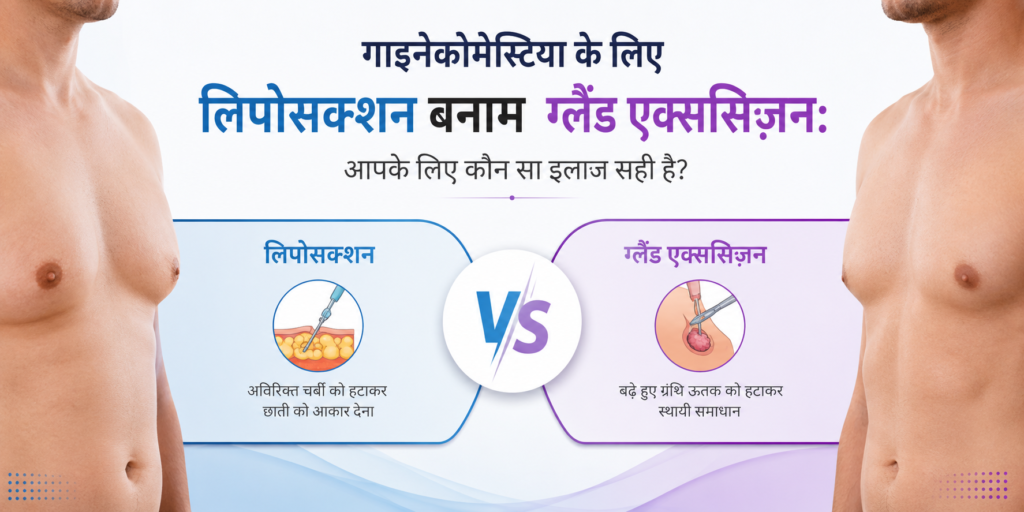
Understanding Gynecomastia: More Than Just Chest Fat
Gynecomastia is a common condition in boys and men that causes the enlargement of breast tissue. It can affect one or both sides of the chest and may occur due to hormonal imbalances, certain medications, obesity, aging, or underlying medical conditions. While the condition is not usually harmful, it can significantly impact self-confidence, body image, and overall quality of life. Consulting a qualified and the best cosmetic surgeon in udaipur can help determine the exact cause and recommend the most suitable treatment based on the severity of the condition and the patient’s goals.
Many men struggle with choosing the right treatment because gynecomastia can involve excess fat, excess glandular tissue, or a combination of both. This is why understanding the available surgical options is essential before making a decision.
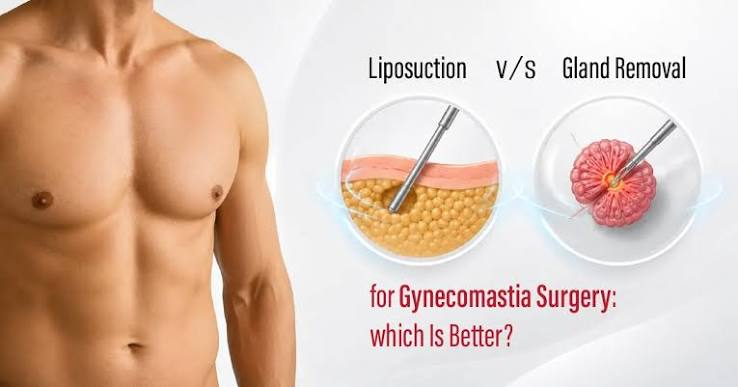
The two most common procedures for treating gynecomastia are liposuction and gland excision. Each approach serves a different purpose, and selecting the right one depends on your individual condition, goals, and medical evaluation.
Why Choosing the Right Procedure Matters
No two cases of gynecomastia are exactly alike. Some patients mainly have stubborn fat deposits, while others have dense glandular tissue that cannot be removed through liposuction alone.
A thorough examination by a qualified plastic surgeon helps determine:
- The type of breast tissue present
- The amount of excess skin
- The grade of gynecomastia
- Skin elasticity
- Overall health and treatment expectations
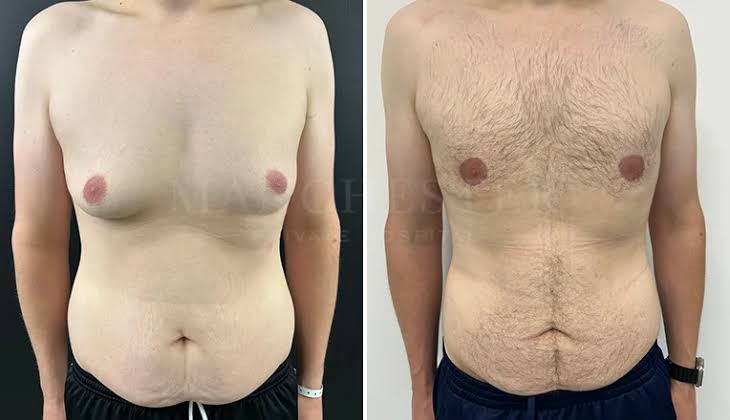
Choosing the correct procedure helps achieve a flatter, firmer, and more masculine chest while reducing the chances of needing revision surgery.
What Is Liposuction for Gynecomastia?
Liposuction is a minimally invasive surgical procedure designed to remove excess fat from the chest using a thin tube called a cannula. Small incisions are made, and the unwanted fat is suctioned out to reshape the chest.
This technique works best for patients whose enlarged chest is primarily caused by fatty tissue rather than glandular tissue.
Benefits of Liposuction
- Small and discreet incisions
- Minimal visible scarring
- Faster recovery
- Improved chest contour
- Less tissue trauma
- Suitable for patients with good skin elasticity
However, liposuction alone cannot remove firm gland tissue located beneath the nipple.
When Is Liposuction the Best Choice?
Your surgeon may recommend liposuction if:
- Your gynecomastia is mainly caused by excess fat.
- You have mild to moderate chest enlargement.
- Your skin is firm and elastic.
- There is little or no dense gland tissue.
- You maintain a healthy body weight.
Patients with pseudogynecomastia, where fat is the primary concern, often achieve excellent results with liposuction alone.
What Is Gland Excision Surgery?
Gland excision is a surgical procedure that removes the dense breast gland responsible for chest enlargement. Unlike fat, glandular tissue cannot be dissolved or suctioned out effectively.
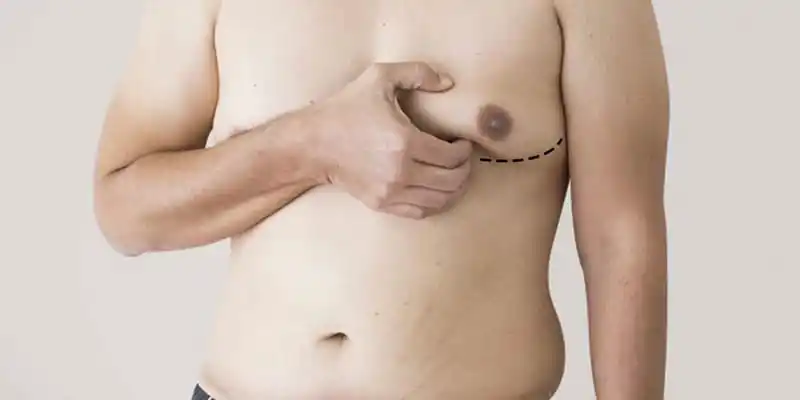
During the procedure, the surgeon makes a carefully placed incision, usually around the lower edge of the areola, to remove the gland while preserving a natural chest appearance.
This technique provides permanent removal of stubborn gland tissue that causes puffiness or firmness in the chest.
Benefits of Gland Excision
Gland excision offers several important advantages, including:
- Complete removal of dense gland tissue
- Better correction of puffy nipples
- Long-lasting results
- Improved chest definition
- Reduced chance of recurrence
- Better contour for moderate and severe cases
Although the procedure involves a slightly larger incision than liposuction, experienced surgeons place scars where they become less noticeable over time.
When Is Gland Excision Recommended?
Your surgeon may advise gland excision if you have:
- Firm tissue beneath the nipple
- Puffy or protruding nipples
- Moderate or severe gynecomastia
- Hormonal breast enlargement
- Long-standing gynecomastia
- Chest enlargement that has not improved with weight loss
Patients with significant gland tissue usually achieve better cosmetic outcomes through excision.
Liposuction vs Gland Excision: Key Differences
Although both procedures aim to improve chest appearance, they work in different ways.
| Feature | Liposuction | Gland Excision |
| Removes fat | Yes | Limited |
| Removes gland tissue | No | Yes |
| Best for fatty chest | Yes | No |
| Best for dense tissue | No | Yes |
| Incision size | Small | Slightly larger |
| Recovery | Slightly faster | Moderate |
| Puffy nipple correction | Limited | Excellent |
Understanding these differences helps patients make informed treatment decisions.
Can Both Procedures Be Combined?
Yes. In fact, most of the patients benefit from combining liposuction with gland excision.
A combination approach allows the surgeon to:
- Remove excess fat
- Eliminate gland tissue
- Improve chest symmetry
- Create smoother contours
- Enhance overall chest definition
This comprehensive treatment often provides the most natural-looking and long-lasting results, especially in moderate or severe cases.
What Happens During Recovery?
Recovery varies depending on the procedure performed, but most patients experience steady improvement over several weeks.
General recovery tips include:
- Wear a compression garment as advised.
- Avoid strenuous exercise initially.
- Keep incisions clean and dry.
- Attend follow-up appointments.
- Follow all post-operative instructions.
Most patients can return to desk work within a few days, while heavy workouts may need to wait several weeks.
Swelling and bruising gradually decrease, revealing the final chest contour over the following months.
Are the Results Permanent?
The results of gynecomastia surgery are generally long-lasting when patients maintain a healthy lifestyle.
To preserve your results:
- Maintain a stable weight.
- Exercise regularly.
- Eat a balanced diet.
- Avoid anabolic steroids.
- Follow medical advice regarding medications.
Although gland tissue removed during surgery does not typically grow back, significant weight gain or hormonal changes may affect the chest’s appearance.
Risks to Be Aware Of
Like any surgical procedure, both treatments carry some potential risks, including:
- Swelling
- Bruising
- Temporary numbness
- Infection
- Fluid accumulation
- Minor asymmetry
- Scarring
Choosing an experienced and qualified plastic surgeon significantly reduces these risks and improves overall outcomes.
Which Treatment Is Right for You?
The ideal treatment depends on the exact cause of your gynecomastia.
Liposuction may be the right option if your chest enlargement is mainly due to excess fat and your skin has good elasticity.
Gland excision is often the better choice when dense breast tissue causes firmness, nipple protrusion, or more advanced gynecomastia.
Many patients ultimately benefit from a combination of both procedures because it addresses both fat and gland tissue, resulting in a flatter, firmer, and more natural-looking chest.
Final Thoughts
Choosing between liposuction and gland excision is not about selecting the more popular procedure—it’s about choosing the treatment that matches your individual condition. A detailed consultation with an experienced Cosmetic and Plastic surgeon is the best way to determine whether fat, gland tissue, or both are responsible for your chest enlargement.
With the right diagnosis and personalized treatment plan, gynecomastia surgery can restore chest contours, improve confidence, and provide long-lasting results. If you are considering male breast reduction (gynecomastia) surgery in udaipur, consulting an experienced specialist at Star Hospital, Udaipur,can help you understand the most appropriate treatment for your condition. Whether your surgeon recommends liposuction, gland excision, or a combination of both, understanding your options is the first step toward achieving a chest appearance that feels comfortable and natural.