- ISO 9001:2015 Certified Hospital
- starhospitaludaipur@gmail.com
- +919660713450
- +91 9928569121

One-Sided ( Unilateral ) Male Breast Enlargement: Causes, Symptoms, and Treatment

पुरुषों में एक तरफ़ा स्तन वृद्धि: कारण, लक्षण और उपचार
June 25, 2026
कानों की कॉस्मेटिक सर्जरी आत्मविश्वास कैसे बढ़ा सकती है
June 29, 2026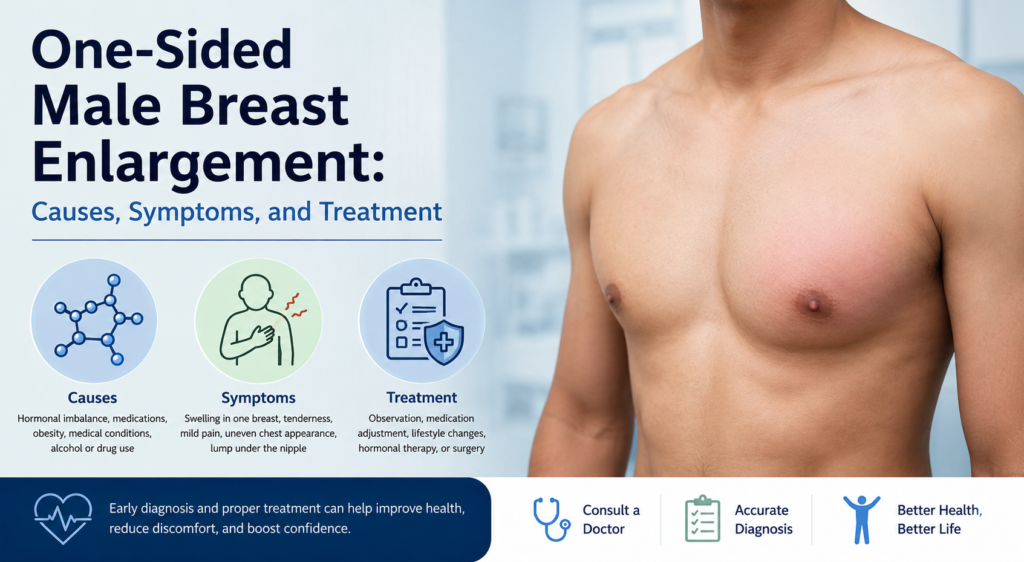
Male breast enlargement, also known as Gynecomastia, is a condition that can affect men of all ages. While breast enlargement commonly occurs on both sides of the chest, some men experience enlargement in only one breast. This condition, known as unilateral or one-sided Gynecomastia, can cause physical discomfort and emotional distress. Fortunately, it can be effectively treated with Male Breast Reduction (Gynecomastia) Surgery in Udaipur. Understanding its causes, symptoms, diagnosis, and treatment options can help individuals seek appropriate medical care and improve their overall quality of life.
What Is One-Sided Male Breast Enlargement?
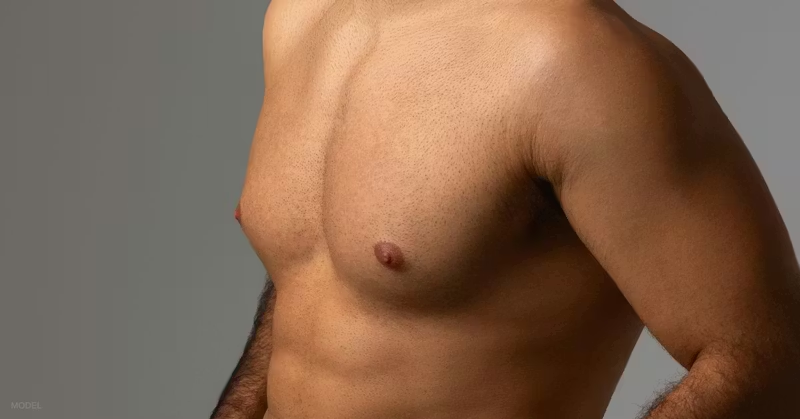
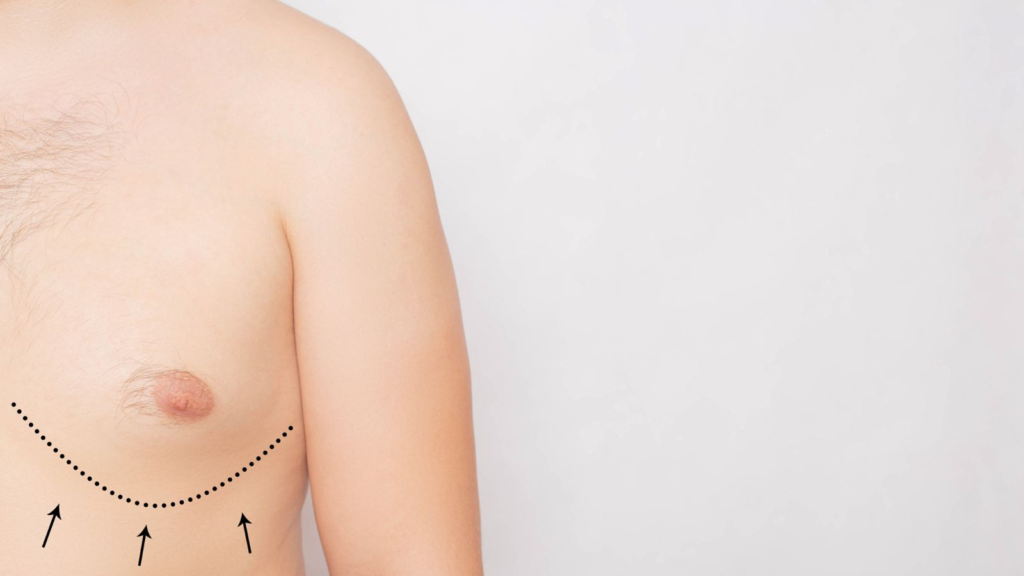
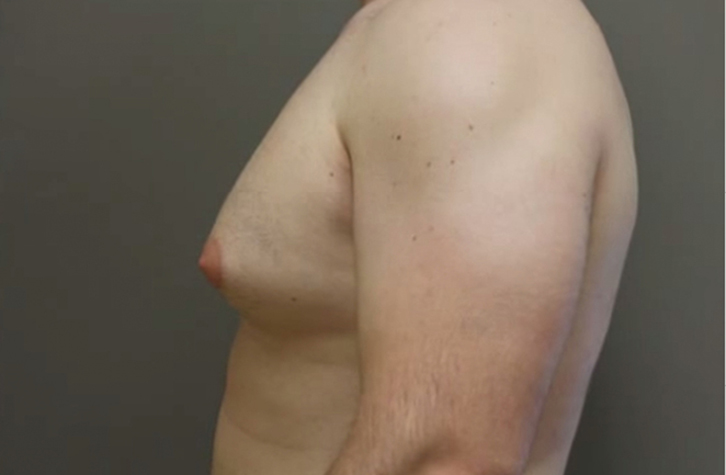
One-sided male breast enlargement refers to the growth of breast tissue in only one breast. This condition may develop gradually or appear suddenly. In many cases, it is caused by hormonal changes, but other medical conditions may also contribute to the problem.
The enlarged breast may appear swollen, tender, or different in size compared to the other side. Although it is usually not a serious condition, it should always be evaluated by a healthcare professional to rule out underlying health issues.
How Common Is This Condition?
Male breast enlargement is relatively common and can occur during infancy, puberty, or adulthood. While enlargement in both breasts is more frequently seen, enlargement in a single breast is not unusual.
The condition can affect:
- Teenagers experiencing hormonal changes
- Middle-aged men
- Older adults
- Men taking certain medications
- Individuals with hormonal disorders
Causes of One-Sided Male Breast Enlargement
Several factors can contribute to the enlargement of one breast in men. Identifying the underlying cause is important for effective treatment.
Hormonal Imbalance
Hormones play a major role in breast tissue development. An imbalance between estrogen and testosterone levels can stimulate breast tissue growth.
Common hormonal causes include:
- Reduced testosterone production
- Increased estrogen levels
- Natural hormonal fluctuations during puberty
- Aging-related hormonal changes
Medications
Certain medications may increase the risk of male breast enlargement.
Examples include:
- Anti-anxiety medications
- Antidepressants
- Steroid medications
- Heart medications
- Some antibiotics
- Treatments for prostate conditions
If breast enlargement develops after starting a new medication, it is important to consult a doctor.
Obesity
Excess body fat can increase estrogen production, leading to breast enlargement. In some cases, fat accumulation may appear more prominent on one side of the chest.
Maintaining a healthy weight can help reduce the risk of hormonal imbalance and related breast changes.
Medical Conditions
Several health conditions may contribute to one-sided breast enlargement.
These include:
- Liver disease
- Kidney disease
- Thyroid disorders
- Pituitary gland disorders
- Testicular conditions
Proper diagnosis is essential to identify and manage these underlying issues.
Use of Alcohol and Recreational Drugs
Excessive alcohol consumption and certain recreational substances may interfere with hormone production.
Substances associated with male breast enlargement include:
- Alcohol
- Marijuana
- Anabolic steroids
- Certain illegal drugs
Reducing or eliminating these substances may improve symptoms.
Symptoms of One-Sided Male Breast Enlargement
Symptoms can vary depending on the underlying cause and severity of the condition.
Common symptoms include:
- Swelling in one breast
- Increased breast tissue beneath the nipple
- Breast tenderness
- Mild pain or discomfort
- Visible difference in chest appearance
- Sensitivity around the nipple area
- Psychological concerns
In some cases, individuals may notice a firm lump under the nipple. Any unusual lump should be examined by a healthcare professional.
When Should You See a Doctor?
Although one-sided male breast enlargement is often harmless, medical evaluation is recommended if you experience:
- Rapid breast growth
- Significant pain
- Nipple discharge
- Skin changes around the breast
- A hard or fixed lump
- Persistent enlargement
Early evaluation helps identify the cause and ensures appropriate treatment.
Diagnosis of One-Sided Male Breast Enlargement
Doctors use several methods to determine the cause of breast enlargement.
Medical History Review
The healthcare provider may ask questions about:
- Current medications
- Lifestyle habits
- Alcohol consumption
- Family medical history
- Existing health conditions
This information helps identify potential contributing factors.
Physical Examination
A thorough physical examination allows the doctor to assess the size, texture, and location of the enlarged tissue.
The examination may also include evaluation of the testicles, thyroid gland, and other areas related to hormone production.
Blood Tests
Blood tests can help measure hormone levels and evaluate organ function.
Common tests may include:
- Testosterone levels
- Estrogen levels
- Thyroid function tests
- Liver function tests
- Kidney function tests
Imaging Tests
If necessary, imaging studies may be recommended.
These may include:
- Ultrasound
- Mammography
- MRI scans in selected cases
Imaging helps distinguish breast tissue enlargement from other abnormalities.
Treatment Options for One-Sided Male Breast Enlargement
Treatment depends on the underlying cause, severity of symptoms, and duration of the condition.
Observation and Monitoring
In some cases, especially during puberty, breast enlargement may resolve on its own without treatment.
Doctors may recommend regular monitoring to track changes over time.
Medication Adjustments
If a medication is causing the enlargement, the healthcare provider may suggest:
- Adjusting the dosage
- Switching to an alternative medication
- Discontinuing the medication when appropriate
Never stop prescribed medications without medical guidance.
Hormonal Treatment
When hormonal imbalance is identified, treatment may focus on restoring normal hormone levels.
Hormonal therapies may help reduce breast tissue growth and improve symptoms in selected cases.
Weight Management
For individuals with obesity-related breast enlargement, lifestyle modifications can be beneficial.
Healthy strategies include:
- Regular physical activity
- Balanced nutrition
- Weight reduction
- Improved sleep habits
Weight management supports overall hormonal health and may reduce breast size.
Surgical Treatment
Surgery may be recommended when:
- Breast enlargement is severe
- Symptoms persist despite treatment
- Cosmetic concerns significantly affect confidence
- Excess breast tissue remains after other treatments
Common surgical procedures include:
- Liposuction
- Breast tissue removal surgery
- Combination procedures
Surgical treatment often provides long-lasting results.
Can One-Sided Male Breast Enlargement Be Prevented?
Not all cases can be prevented, but certain lifestyle habits may reduce the risk.
Helpful preventive measures include:
- Maintaining a healthy weight
- Exercising regularly
- Limiting alcohol intake
- Avoiding recreational drugs
- Following medical advice regarding medications
- Attending regular health checkups
These steps support hormonal balance and overall health.
Emotional Impact of the Condition
One-sided male breast enlargement or Gynecomastia can affect self-confidence and body image. Some men may feel embarrassed or avoid social situations due to changes in chest appearance.
Seeking medical advice and discussing concerns openly with healthcare professionals can help reduce anxiety and improve quality of life. Support from family, friends, and healthcare providers can also make the treatment journey easier.
Conclusion
One-sided male breast enlargement can occur due to hormonal changes, certain medications, obesity, underlying medical conditions, or lifestyle factors. While it is often harmless, persistent or unusual breast enlargement should be evaluated and treated by the best cosmetic surgeon in udaipur Early diagnosis helps identify the underlying cause and ensures appropriate and timely treatment.
Whether the condition requires monitoring, lifestyle changes, medication adjustments, hormonal therapy, or surgery, effective treatment options are available. Understanding the causes, symptoms, and treatment approaches can help men take proactive steps toward better health and greater confidence.