- ISO 9001:2015 Certified Hospital
- starhospitaludaipur@gmail.com
- +919660713450
- +91 9928569121

Pelvic Floor Health Every Woman Should Know: Essential Facts for Lifelong Wellness

हर महिला को श्रोणि तल ( Pelvic Floor ) के स्वास्थ्य के बारे में जानना चाहिए: आजीवन स्वस्थ रहने के लिए आवश्यक तथ्य
June 24, 2026
पुरुषों में एक तरफ़ा स्तन वृद्धि: कारण, लक्षण और उपचार
June 25, 2026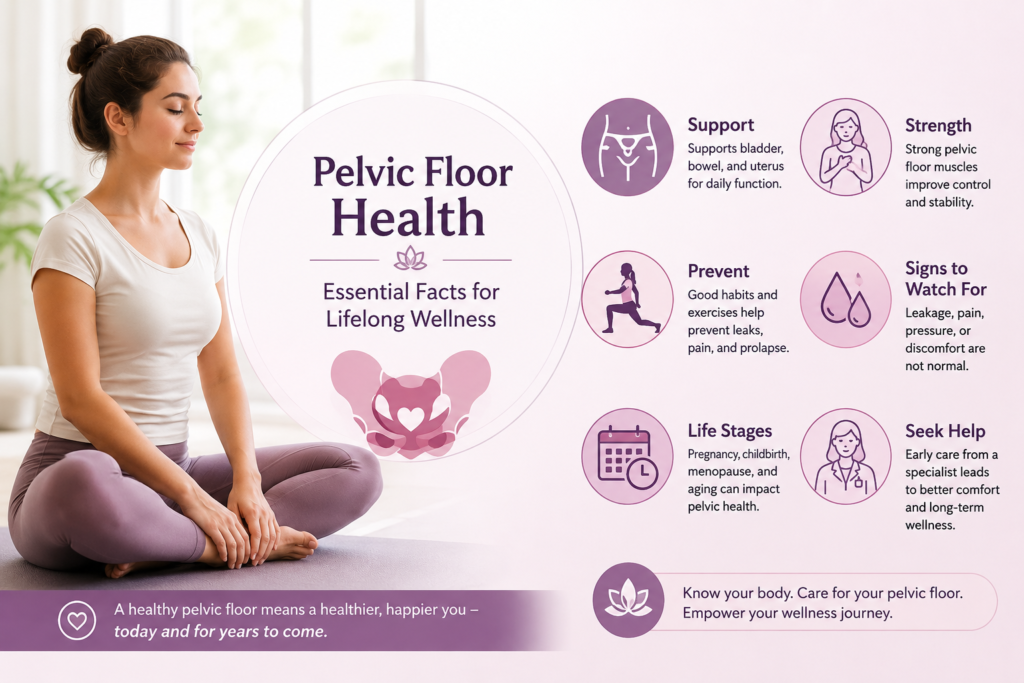
Pelvic floor health is one of the most important parts of a woman’s overall well-being, yet it is often overlooked until problems begin to affect daily life. The pelvic floor is a group of muscles, ligaments, and tissues that support the bladder, uterus, and bowel. These muscles help control urination, bowel movements, and sexual function, while also supporting the core and lower body. When the pelvic floor becomes weak, tight, or injured, it can lead to discomfort, leakage, pain, and reduced quality of life.
Understanding pelvic floor health early can help women prevent problems, seek timely care, and maintain confidence at every stage of life. Whether a woman is in her twenties, pregnant, recovering after childbirth, or entering menopause, pelvic floor wellness matters.
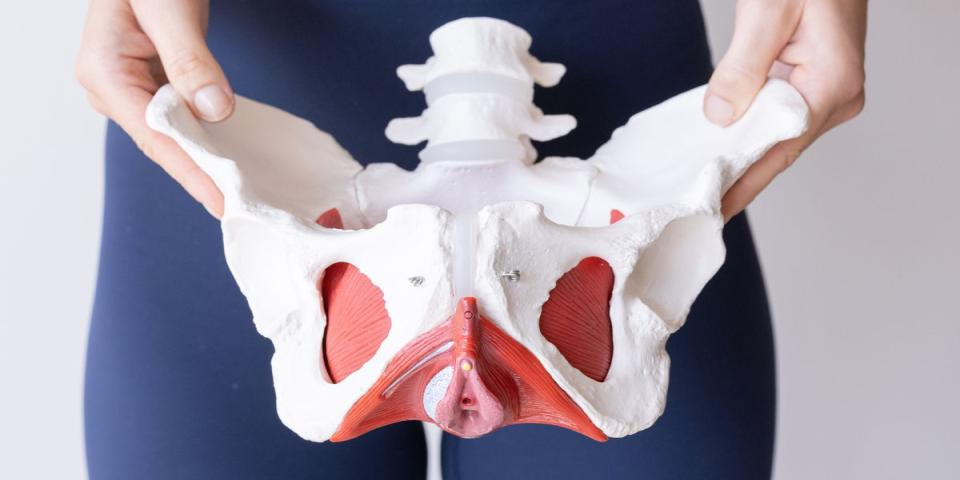
What Is the Pelvic Floor?
The pelvic floor acts like a supportive hammock at the base of the pelvis. It holds important organs in place and works with the abdomen, hips, and back to provide stability. These muscles also play a role in bladder and bowel control and are essential for comfort during physical activity and intimacy.
A healthy pelvic floor should be strong enough to support the organs, but also flexible enough to relax when needed. When this balance is disturbed, symptoms may appear gradually or suddenly.
Common Signs of Pelvic Floor Problems
Many women ignore early signs because they feel embarrassed or assume the issue is normal. In reality, pelvic floor problems are common and treatable. Some warning signs include:
- Leaking urine while coughing, sneezing, laughing, or exercising
- Feeling a sudden or frequent urge to urinate
- Trouble emptying the bladder or bowels completely
- A feeling of heaviness or pressure in the pelvis
- Pain in the lower back, hips, or pelvic area
- Pain during intimacy
- Constipation or difficulty passing stool
- A bulging sensation in the vagina
These symptoms should not be ignored, especially if they affect daily routines or emotional well-being.
Why Pelvic Floor Health Changes Over Time
A woman’s pelvic floor can be affected by many life stages and health conditions. Pregnancy and childbirth are major factors because the muscles and tissues stretch under pressure. Vaginal delivery can sometimes cause weakness or injury, but even women who have had a caesarean birth may experience pelvic floor strain during pregnancy.
Other common causes include:
- Aging and hormonal changes
- Menopause, which can reduce tissue elasticity
- Chronic constipation or straining
- Heavy lifting or high-impact exercise without proper support
- Obesity, which increases pressure on the pelvic region
- Persistent coughing from respiratory conditions
- Previous pelvic surgery
Pelvic floor issues are not caused by one single reason. They often develop from a combination of factors over time.
Everyday Habits That Support Pelvic Floor Wellness
The good news is that many pelvic floor problems can be improved or prevented with simple lifestyle habits. Small changes can make a meaningful difference.
Some helpful habits include:
- Staying hydrated to support healthy bowel function
- Eating enough fibre to prevent constipation
- Avoiding repeated straining during bowel movements
- Practicing good posture while sitting and standing
- Managing body weight to reduce pelvic pressure
- Exercising regularly with safe core and pelvic-friendly movement
- Avoiding unnecessary heavy lifting
- Seeking medical advice for chronic coughing or digestive issues
It is also important to use the bathroom when needed rather than holding urine for too long. A healthy bladder routine can support better pelvic function over time.
The Role of Pelvic Floor Exercises
Pelvic floor exercises are often recommended for women who want to strengthen these muscles. These exercises can help improve bladder control, support recovery after childbirth, and reduce the risk of future problems. However, the key is doing them correctly. In some cases, the pelvic floor may be too tight rather than too weak, and strengthening alone may not help.
That is why a proper evaluation matters. A specialist can guide women on whether they need strengthening, relaxation, or a combination of both. A tailored approach gives better results than guessing or following random advice online.
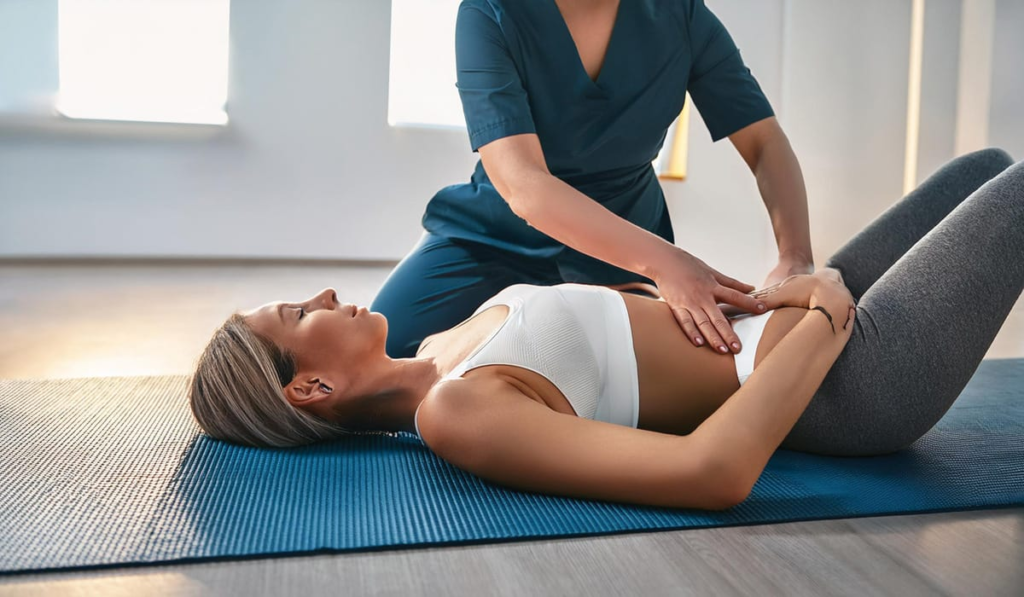
When to See a Specialist
Women should seek medical help if symptoms continue, worsen, or interfere with daily life. Early treatment can prevent complications and improve comfort. A gynecologist or pelvic health specialist can assess the cause and recommend the right care plan.
For women looking for trusted support, consulting the best gynecologist in udaipur at Star Hospital Udaipur can be an important step toward proper diagnosis and treatment. Expert guidance helps identify whether the concern is related to muscle weakness, pelvic organ support, hormonal changes, or another condition.
Professional care may include:
- Physical examination and symptom review
- Pelvic floor therapy
- Lifestyle and diet guidance
- Medication when needed
- Non-surgical treatment options
- Advanced procedures in more complex cases
Pelvic Floor Health After Childbirth
After pregnancy and delivery, many women experience pelvic floor weakness, soreness, or leakage. This does not always mean something is wrong, but it does mean the body needs time and support to recover. Rest, gentle exercise, proper nutrition, and pelvic floor rehabilitation can all help.
Women should speak with a doctor if they notice:
- Persistent urine leakage
- A sensation of heaviness or dropping
- Pain that does not improve
- Difficulty controlling gas or stool
- Ongoing discomfort during movement or intimacy
Early support after childbirth can make recovery smoother and reduce long-term complications.
Advanced Care for Complex Pelvic Concerns
Some pelvic floor issues may need more than basic advice or exercises. In certain cases, women may require specialized treatment for prolapse, chronic pain, post-surgical recovery, or related gynecological concerns. Modern medical care offers many solutions, from conservative treatments to advanced procedures, depending on the diagnosis.
Women seeking broader surgical and women’s health support can also explore cosmetic surgery care in udaipur for access to a wider range of medical services and expert care. Comprehensive treatment can be helpful when pelvic health concerns overlap with other women’s health needs.
Why Awareness Matters for Lifelong Wellness
Pelvic floor health is not just about avoiding discomfort. It is about protecting confidence, movement, intimacy, and daily comfort throughout life. A healthy pelvic floor supports better bladder control, core strength, and overall physical function. It also helps women stay active and feel more in control of their bodies.
Too often, women accept pelvic symptoms as a normal part of aging, childbirth, or menopause. While these life stages can affect the pelvic floor, suffering in silence is not necessary. Help is available, and many effective treatments exist.

Final Thoughts
Pelvic floor health is an essential part of lifelong wellness for every woman. By learning the signs of trouble, building healthy habits, and seeking expert care when needed, women can protect their comfort and quality of life for years to come. From early prevention to advanced treatment, attention to pelvic health is an investment in overall well-being.
Women should never hesitate to speak with a specialist about leaks, pain, pressure, or any change that feels unusual. The earlier the concern is addressed, the better the outcome.