- ISO 9001:2015 Certified Hospital
- starhospitaludaipur@gmail.com
- +919660713450
- +91 9928569121

Vaginal Rejuvenation: Benefits, Results and What Women Can Expect

योनि कायाकल्प (योनि पुनर्यौवन): लाभ, परिणाम और महिलाओं को क्या उम्मीद करनी चाहिए
September 9, 2026
बेहतर स्तन आकार के लिए ब्रेस्ट लिफ्ट सर्जरी के प्रमुख लाभ
September 16, 2026
Changes in vaginal comfort, pelvic-floor function, or sexual well-being often occur following childbirth, aging, hormonal shifts, or menopause. Vaginal rejuvenation encompasses a variety of medical and non-surgical treatments designed to address these specific concerns in the vulvovaginal area. Because every woman’s anatomy, health background, and personal goals are unique, selecting the appropriate path requires a tailored approach. Identifying the underlying cause of discomfort ensures that any chosen intervention directly supports long-term health and well-being.
Women considering vaginal rejuvenation treatment in Udaipur should begin by scheduling a comprehensive consultation with a qualified Cosmetic gynecologist or a Cosmetic Surgeon. A professional medical assessment allows for an accurate evaluation of symptoms, clear discussion of suitable options, and safe guidance tailored to individual needs. Star Hospital Udaipur offers dedicated expert consultations to help patients explore these personalized healthcare solutions in a safe, supportive environment.
What Is Vaginal Rejuvenation?
Vaginal rejuvenation is a broad term used for procedures or treatments designed to address concerns such as vaginal dryness, discomfort, changes following childbirth, or certain pelvic-floor symptoms. Depending on the problem, treatment may involve pelvic-floor therapy, hormonal management, lifestyle measures, or a surgical procedure.
The phrase can sometimes be used for cosmetic procedures as well as treatments intended to improve specific symptoms. Because these are different goals, women should understand exactly what a proposed treatment is designed to achieve before proceeding.
Why Do Women Consider Vaginal Rejuvenation?
There is no single reason why a woman may explore treatment. Common concerns can include:
- Vaginal dryness, particularly around menopause
- Discomfort during sexual activity
- Changes after vaginal childbirth
- Concerns about vulvovaginal appearance
- Pelvic-floor weakness or associated symptoms
- Changes in confidence or sexual well-being
- Certain anatomical concerns that may require medical assessment
Not every concern requires a procedure. For example, vaginal dryness may be related to declining estrogen levels and may respond to appropriate medical treatment. Similarly, pelvic-floor symptoms may benefit from targeted physiotherapy.
The possible benefits depend heavily on the underlying concern and the treatment selected. Some women may experience improved comfort, reduced dryness, better awareness of pelvic-floor muscles, or improved confidence after appropriate care.
Benefits and Potential Results
However, results should be discussed realistically. Vaginal rejuvenation does not guarantee improved sexual satisfaction, reversal of aging, or permanent anatomical changes. A trustworthy consultation should explain expected benefits, limitations, possible side effects, and alternatives before treatment.
Potential Benefits
Depending on the treatment, potential benefits may include:
- Improved vaginal comfort
- Management of selected dryness-related symptoms
- Support for pelvic-floor function
- Improvement in specific anatomical concerns
- Better understanding of sexual and reproductive health
- Improved confidence when a genuine concern has been appropriately addressed
At Star Hospital Udaipur, women can discuss their symptoms and expectations with a gynecologist before deciding whether any intervention is appropriate.

Non-Surgical Options to Consider
Not every woman needs an invasive procedure. Conservative approaches should often be considered first, particularly when symptoms can be linked to hormonal or pelvic-floor changes.
Pelvic-floor exercises, commonly known as Kegel exercises, can strengthen pelvic-floor muscles when performed correctly. A pelvic-floor physiotherapist can help women learn appropriate technique rather than simply performing large numbers of repetitions.
For women experiencing menopause-related dryness, a gynecologist may discuss vaginal moisturizers, lubricants, or appropriate hormonal treatment where medically suitable. These options may be more appropriate than a procedure for some patients.
Surgical and Energy-Based Treatments
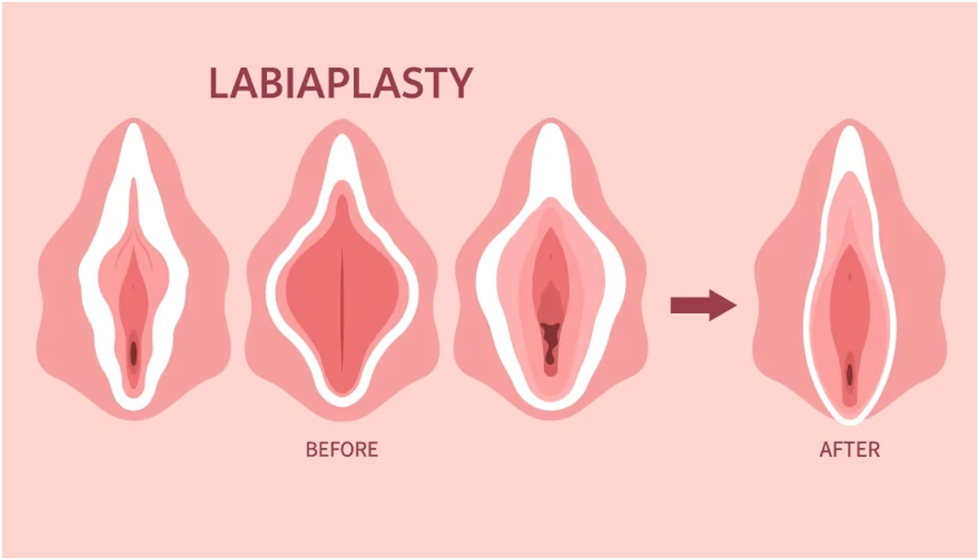
Some procedures marketed as vaginal rejuvenation use surgery, lasers, radiofrequency, or other energy-based technologies. Their indications, effectiveness, risks, and evidence vary considerably but results of surgical vaginal rejuvenation are much better and quicker.Surgical procedures can involve tissue modification or reconstruction and therefore require careful medical evaluation. Energy-based treatments have also received attention for vaginal symptoms, but women should be cautious about marketing claims that promise dramatic or permanent results. Vaginal rejuvenation should be considered only after understanding what evidence supports the specific treatment being offered.
What to Expect During a Consultation
A good consultation begins with your symptoms rather than the procedure itself. The gynecologist may ask about childbirth history, menstrual or menopausal status, sexual discomfort, urinary or pelvic symptoms, previous surgeries, medications, and other relevant health factors.
A physical examination may be recommended when appropriate. Depending on the symptoms, additional investigations may be needed to identify conditions such as infections, pelvic-floor disorders, hormonal changes, or prolapse.
At around the midpoint of the decision-making process, Star Hospital Udaipur can provide an opportunity for women to discuss available treatment approaches, expected outcomes, and whether conservative management may be sufficient.
Recovery and Aftercare
Recovery varies significantly depending on the procedure. Non-invasive approaches may require little or no downtime, while surgery can require a longer recovery period and temporary restrictions.
Women should follow the treating clinician’s instructions regarding hygiene, exercise, sexual activity, medications, and follow-up appointments. Contact a healthcare professional promptly if significant bleeding, fever, worsening pain, unusual discharge, or other concerning symptoms occur.
A practical approach is to ask these questions before treatment:
- What condition is being treated?
- What evidence supports this treatment?
- Are there non-procedural alternatives?
- How long might recovery take?
- What are the possible complications?
- What happens if the expected result is not achieved?
How to Choose the Right Treatment
The best treatment is not necessarily the newest or most heavily advertised option. It should match the woman’s actual symptoms and medical needs.
Before choosing vaginal rejuvenation, consider the clinician’s qualifications, his experience in this field, the specific diagnosis, expected outcomes, potential risks, and available alternatives. Avoid making decisions solely on before-and-after photographs or promotional claims.
Women can also maintain vaginal and pelvic health through regular medical check-ups, adequate hydration, appropriate physical activity, pelvic-floor exercises when indicated, safe sexual practices, and timely evaluation of persistent symptoms.
Quick Takeaways
- Vaginal changes can occur because of childbirth, aging, menopause, hormonal changes, and other factors.
- Treatment should be based on the underlying problem rather than marketing claims.
- Non-surgical options may be appropriate for some women.
- Surgical and energy-based treatments have different benefits and risks.
- Individual results vary, and no procedure can guarantee a particular cosmetic or sexual outcome.
- A qualified gynecologist should evaluate persistent pain, dryness, bleeding, unusual discharge, urinary symptoms, or pelvic pressure.
When Should You See a Gynecologist?
Persistent vaginal discomfort should not automatically be attributed to aging or childbirth. Pain during intercourse, recurrent dryness, unusual discharge, bleeding after menopause, urinary problems, or a sensation of pelvic pressure deserves appropriate medical evaluation.
A gynecologist or a Cosmetic Gynecologist can determine whether symptoms are related to hormonal changes, infection, pelvic-floor dysfunction, prolapse, dermatological conditions, or another medical issue. This helps ensure that the underlying cause is treated rather than simply focusing on appearance.
For women considering vaginal rejuvenation, an evidence-based consultation is an important first step. Star Hospital Udaipur can help women discuss their concerns with a healthcare professional and understand which options may be suitable for their individual circumstances.
FAQs
1. Is vaginal rejuvenation safe?
Safety depends on the specific treatment, the woman’s health, and the experience of the treating clinician. Every procedure has potential risks.
2. How long do results last?
Results vary by treatment and individual factors. Some effects may be temporary, while surgical changes can be longer-lasting.
3. Can vaginal rejuvenation treat dryness?
Dryness may have several causes. Menopause-related dryness can often be managed with non-surgical medical options, depending on individual suitability.
4. Is surgery always necessary?
No. Pelvic-floor therapy, lubricants, moisturizers, hormonal treatments, and other conservative approaches may be appropriate for some women.
5. When should I seek medical advice?
Seek medical evaluation for persistent pain, abnormal bleeding, unusual discharge, significant dryness, urinary symptoms, or pelvic pressure.