- ISO 9001:2015 Certified Hospital
- starhospitaludaipur@gmail.com
- +919660713450
- +91 9928569121

Why Have I Lost Interest in Sex? Causes of Low Libido in Women

Is Plastic Surgery: Types, Benefits, Risks & Recovery Guide
August 11, 2026
सेक्स में रुचि क्यों कम हो गई है? महिलाओं में कम कामेच्छा के कारण
August 27, 2026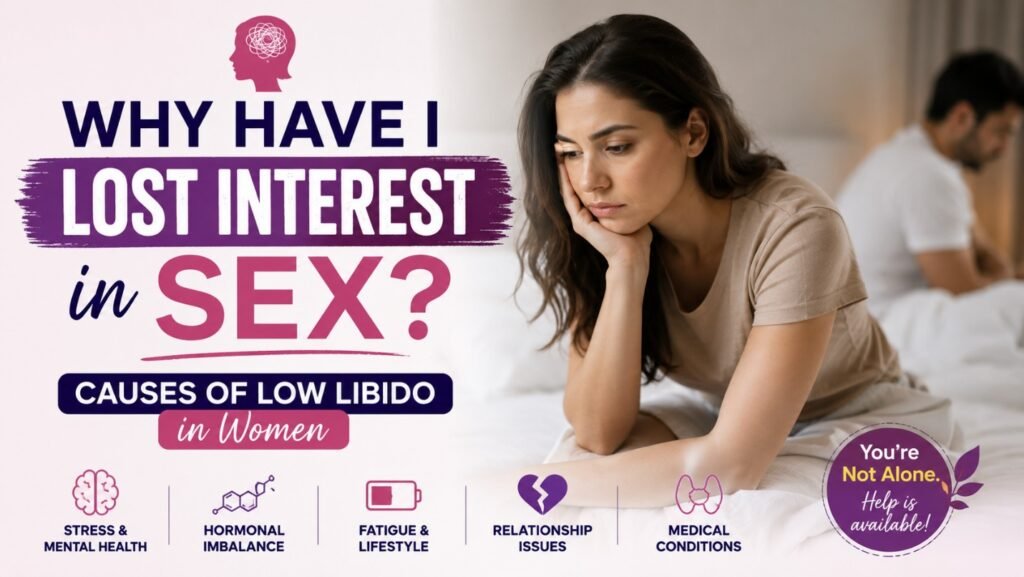
Losing interest in sex can feel confusing, especially when intimacy once felt enjoyable or natural. If you have lost interest in sex, you are not alone, and it does not automatically mean something is wrong with you or your relationship. Low sexual desire can be linked to hormones, stress, medications, physical health, emotional well-being, or relationship concerns.
A consultation with the best gynecologist in Udaipur and Cosmetic gynecological procedures can help identify possible causes and suitable next steps. Star Hospital Udaipur provides women with confidential, respectful care for sexual and reproductive health concerns.
What Does Low Sexual Desire Mean in Women?
Low libido means having less interest in sexual activity than you would like, or noticing a significant change from your usual desire. Sexual desire naturally changes throughout life, so an occasional decrease is generally not a medical problem. However, persistent low sexual desire that causes distress or affects intimacy deserves attention.
Some women experience less spontaneous desire but become interested after affection, emotional connection, or sexual stimulation begins. Others may have little desire even when they feel emotionally close to their partner. Understanding this difference can make discussions about female sexual health more comfortable and productive.
What Causes Low Libido and Reduced Sexual Interest?
There is rarely one universal explanation for low libido in women. Several physical, psychological, and lifestyle factors can overlap, and the cause may change over time.
Hormonal changes: Estrogen levels can shift during pregnancy, after childbirth, while breastfeeding, during perimenopause, and after menopause. Lower estrogen can also contribute to vaginal dryness or discomfort, making intimacy less appealing. Changes in other hormones may influence desire as well, although hormone testing is not automatically necessary for every woman.
Stress and emotional health: Stress, anxiety, depression, poor sleep, and emotional exhaustion can significantly affect sexual interest. When your mind is occupied by work, caregiving, financial concerns, or persistent worry, intimacy may become a lower priority. Depression can also reduce pleasure more broadly, including interest in sex. Managing emotional wellbeing is therefore an important part of addressing causes of low libido.
Medications: Certain antidepressants, hormonal contraceptives, blood-pressure medicines, and other treatments can affect sexual desire in some women. If you have lost interest in sex after starting or changing a medication, speak with your healthcare professional. Never stop prescribed medicine without medical advice.
Pain or discomfort: Vaginal dryness, infections, pelvic floor problems, endometriosis, vulvar conditions, and other gynecological concerns can make sex uncomfortable. When intimacy repeatedly causes pain, treating the underlying problem may be more effective than trying to increase desire.
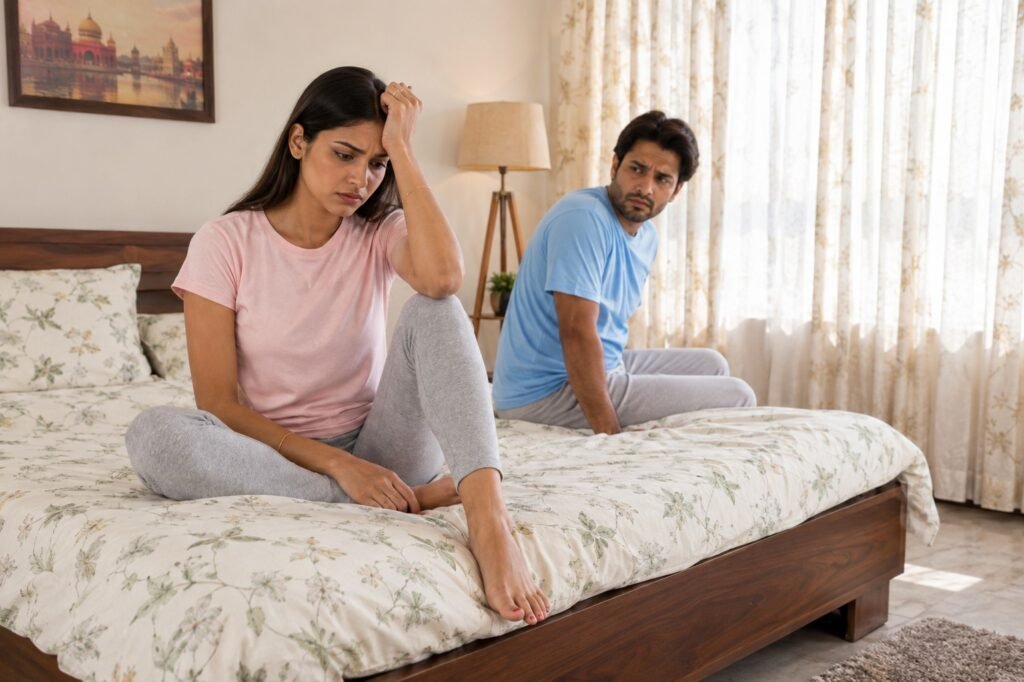
Relationship concerns: Ongoing conflict, poor communication, lack of emotional closeness, unresolved resentment, or feeling pressured can contribute to low sexual desire. This does not mean the problem is “all in your head.” Sexual response is influenced by both physical and emotional experiences.
Can Stress, Sleep, and Lifestyle Affect Libido?
Yes. Everyday habits can influence energy, mood, body confidence, and sexual wellbeing. Chronic stress can make relaxation and arousal more difficult. Poor sleep may reduce energy and increase irritability, while excessive alcohol or recreational drug use can interfere with sexual response.
Regular physical activity, sufficient sleep, balanced nutrition, and stress-management practices may support overall health and sexual function. These measures are not guaranteed treatments for low libido in women, but they can improve several factors associated with sexual desire.
When Should You See a Gynecologist for Low Libido?
Consider professional advice if low sexual desire continues for several months, causes personal distress, affects your relationship, or occurs with pain, vaginal dryness, abnormal bleeding, significant mood changes, or other new symptoms.
A gynecologist may ask about your symptoms, menstrual cycle, pregnancy or postpartum status, menopause-related changes, medications, sleep, stress, mental health, relationship factors, and pain. Depending on your history, an examination or selected tests may be recommended.
If you have lost interest in sex, an honest conversation with a healthcare professional can be the first step toward finding a practical solution. Before an appointment, make a note of when the change began, recent medication changes, menstrual changes, sleep problems, and any physical symptoms.
How Can Women Improve Sexual Desire?
Start by identifying what changed. Think about whether your lost interest in sex developed after childbirth, a new medication, increased stress, relationship difficulties, pain, or changes in your menstrual cycle. Keeping a simple symptom journal for a few weeks can help identify patterns.
Prioritize sleep and recovery. Establish a consistent sleep schedule and make time for relaxation. Gentle exercise can support mood, energy, and confidence.
Address discomfort. If dryness or painful sex is reducing desire, speak with a clinician about appropriate treatment rather than tolerating pain. Treating discomfort can make intimacy more comfortable.
Communicate with your partner. Explain what feels comfortable and what does not. Intimacy does not have to begin with intercourse. Affection, conversation, cuddling, massage, and other forms of closeness can help rebuild comfort without pressure.
Consider professional counseling. If relationship tension, anxiety, or emotional concerns are major contributors, couples counseling, individual therapy, or sex therapy with a qualified professional may help.
Avoid unverified libido supplements and hormone products marketed as quick solutions. Some products can interact with medicines or have uncertain safety. Evidence-based evaluation is a better starting point for persistent female sexual dysfunction.
Does Low Libido Mean Something Is Wrong With You?
Not necessarily. There is no single “normal” level of sexual desire for every woman. Libido can fluctuate because of age, life circumstances, hormones, health, stress, medications, and relationships.
If you have lost interest in sex suddenly or the change is accompanied by other symptoms, seeking medical advice is reasonable. A healthcare professional can help distinguish normal life-stage changes from conditions that may benefit from treatment.
Importantly, treatment should focus on your individual concerns rather than simply trying to increase sexual activity. For some women, improving sleep or treating vaginal dryness may be enough. Others may benefit from medication review, counseling, relationship support, or treatment for an underlying medical condition.

Quick Takeaways for Women With Low Sexual Desire
- Low libido in women can have hormonal, physical, emotional, medication-related, and relationship-related causes.
- Stress, poor sleep, pain, and some medicines can reduce sexual interest.
- Vaginal dryness or painful sex should be assessed rather than ignored.
- Do not stop prescribed medicines without professional guidance.
- Track symptoms and recent lifestyle or health changes before an appointment.
- Treatment depends on the underlying cause and may include lifestyle changes, counseling, medication review, or treatment for a medical condition.
- There is no universal level of sexual desire that every woman should have.
Conclusion: Understanding and Treating Low Libido
If you have lost interest in sex, remember that you do not have to manage the concern in silence. Changes in desire are common and can result from several overlapping factors, many of which can be addressed once the underlying cause is understood. Persistent low sexual desire deserves professional attention when it causes distress, discomfort, or relationship difficulties.
At Star Hospital Udaipur, women can seek professional guidance for sexual and reproductive health concerns in a confidential setting. The goal is not to force desire but to understand your body, identify contributing factors, and support your overall well-being. With appropriate evaluation and individualized care, many women can improve comfort, confidence, and their relationship with intimacy.
Many Cosmetic gynecologic procedures like G sopt augmention ,labiplasty , vaginal tightening procedures and PRP shots at the female genitalia may help increase the sex drive and performance. Such procedures are commonly being done at Star Hosptial, Udaipur.