- ISO 9001:2015 Certified Hospital
- starhospitaludaipur@gmail.com
- +919660713450
- +91 9928569121

Chest Fat vs Gynecomastia: Understanding the Key Differences and Treatment Options

छाती की चर्बी बनाम गाइनेकोमास्टिया: मुख्य अंतर और उपचार विकल्पों को समझना
May 30, 2026
सेलिब्रिटीज में गाइनेकोमास्टिया और पुरुषों में छाती को आकार देने वाले उपचारों का बढ़ता चलन
June 2, 2026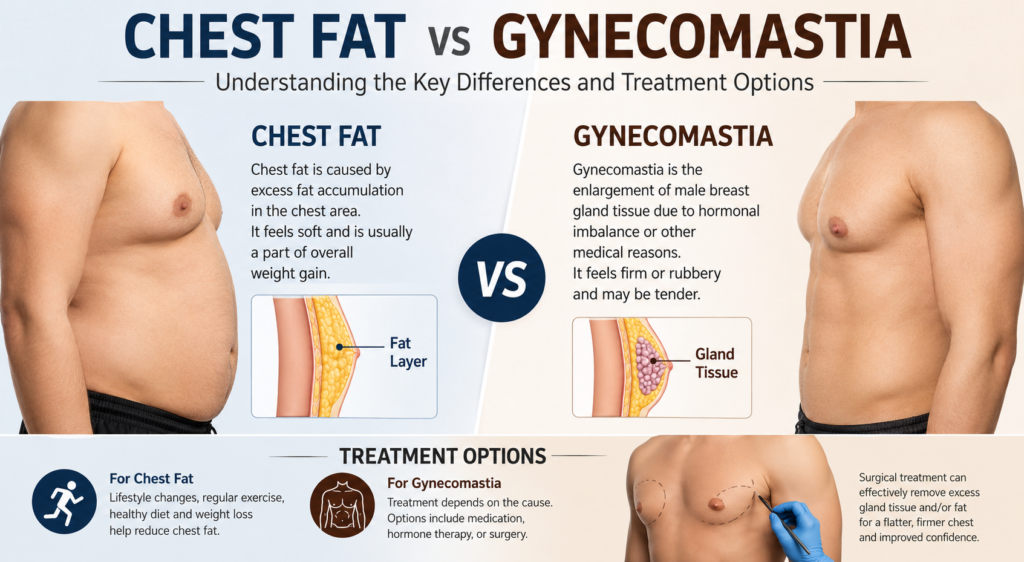
Chest fullness in men can happen for different reasons, and two of the most common are chest fat and gynecomastia. Although they may look similar at first glance, they are not the same condition. Chest fat is usually linked to overall weight gain and excess fat storage, while gynecomastia is the enlargement of glandular breast tissue in males. Understanding the difference is important because the cause, appearance, and treatment options are not the same. For men experiencing persistent chest enlargement, male breast reduction (gynecomastia) surgery in udaipur at star hospital udaipur can help improve chest contour and confidence with advanced treatment options.
Many men assume that any enlarged chest area is simply due to fat, but that is not always true. In some cases, the tissue under the nipple is firm, sensitive, or swollen because of hormonal changes or certain medications. In other cases, the chest area feels soft and reduces with weight loss. Knowing what is actually happening helps in choosing the right solution.
What Is Chest Fat?
Chest fat refers to the accumulation of fatty tissue in the chest region. It is not a medical condition on its own, but rather a result of overall body fat gain. When a person gains weight, fat can collect in different parts of the body, including the chest.
Chest fat usually has these features:
- The chest feels soft and uneven
- The fat is spread across a wider area
- There is no firm lump under the nipple
- The size may reduce with exercise and weight loss
- It often appears along with fat in the stomach, arms, or thighs
Chest fat is commonly related to diet, lack of exercise, genetics, and lifestyle habits. It can affect men of any age, especially those who have recently gained weight or have a sedentary routine.
What Is Gynecomastia?
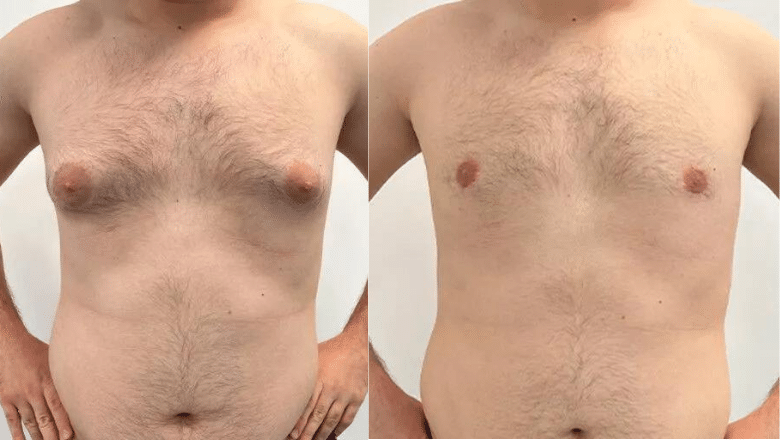
Gynecomastia is the enlargement of glandular breast tissue in males. Unlike chest fat, it is caused by a hormonal imbalance, where estrogen activity becomes relatively higher than testosterone activity. This can lead to the development of actual breast tissue beneath the nipple and areola.
Common signs of gynecomastia include:
- A firm or rubbery lump under the nipple
- Swelling that is centered around the areola
- Tenderness or sensitivity in the chest area
- A more rounded chest appearance
- Sometimes uneven growth on one or both sides
Gynecomastia can occur during puberty, in adulthood, or later in life. In some cases, it goes away on its own, especially in teenagers. In other cases, it may persist and need medical treatment.
Key Differences Between Chest Fat and Gynecomastia
Although both conditions can make the chest look enlarged, several differences help separate them.
Chest fat:
- Is soft and diffused
- Usually affects the whole chest area
- Is linked to body fat and weight gain
- Improves with exercise and fat loss
Gynecomastia:
- Feels firm or rubbery under the nipple
- Is more localized around the areola
- Is caused by glandular tissue growth
- May not go away with exercise alone and require cosmetic surgical corrections.
A simple way to think about it is this: chest fat is excess fat tissue, while gynecomastia is true breast gland enlargement. In some cases, both conditions may be present at the same time, which is called pseudogynecomastia mixed with true gynecomastia.
Common Causes of Gynecomastia
Gynecomastia can happen for many reasons. Some of the most common include:
- Hormonal changes during puberty
- Natural hormone changes with age
- Use of certain medications
- Liver or kidney problems
- Thyroid disorders
- Use of anabolic steroids or performance-enhancing drugs
- Certain health conditions that affect hormone balance
Sometimes, no clear cause is found. A doctor may recommend tests to check hormone levels or rule out other medical issues.
How Doctors Diagnose the Difference
A physical examination is often the first step. A doctor checks whether the chest tissue is soft fat or firm glandular tissue. They may also ask about symptoms, medical history, medications, weight changes, and any pain or tenderness.
In some cases, the doctor may recommend:
- Blood tests to check hormone levels
- Ultrasound or other imaging
- Additional tests if an underlying condition is suspected
The diagnosis matters because treatment depends on what is causing the chest enlargement.
Treatment Options for Chest Fat
If the issue is chest fat, the main goal is reducing overall body fat. There is no way to target fat loss in only one area, so a full-body approach works best.
Helpful steps include:
- Eating a balanced, calorie-controlled diet
- Exercising regularly, including cardio and strength training
- Staying consistent with sleep and stress management
- Avoiding habits that contribute to weight gain
Strength training may help improve the overall appearance of the chest by building muscle, but it does not remove fat directly. Patience and consistency are important because fat loss takes time.
Treatment Options for Gynecomastia
Gynecomastia treatment depends on the cause, duration, and severity of the condition. In mild cases, especially during puberty, the condition may improve on its own over time. If it is caused by a medication or another health issue, treating the underlying cause may help.
Possible treatment options include:
- Observation and regular follow-up
- Stopping or changing a medication under medical advice
- Treating any hormonal or medical disorder
- In some cases, medication may be prescribed to help balance hormones
- Surgery a definitive treatment for persistent or severe cases
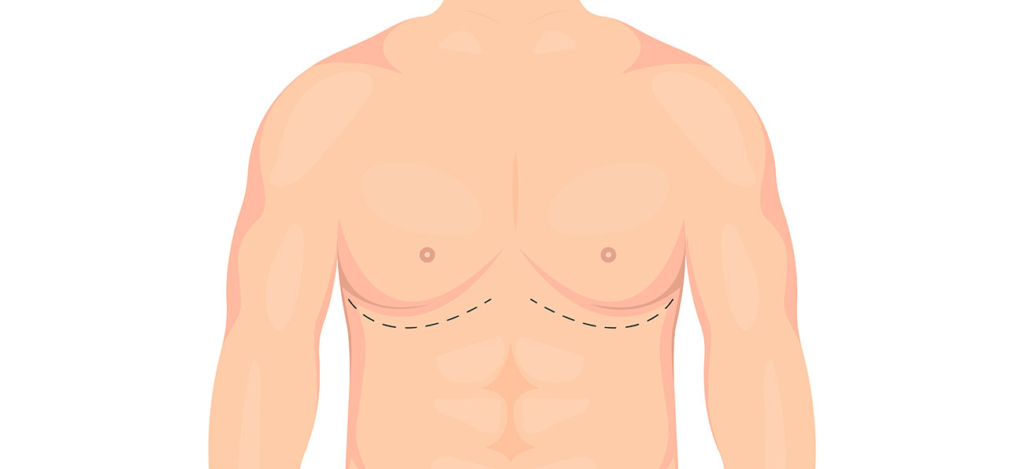
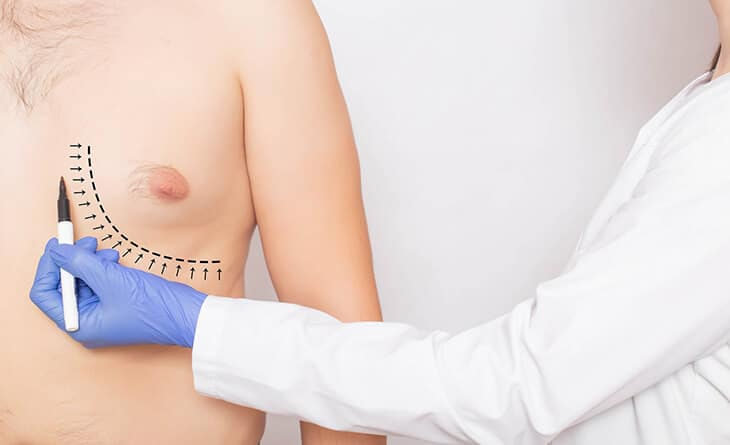
Surgery is usually considered when the glandular tissue does not go away, causes discomfort, or affects confidence and daily life. It removes the excess gland tissue and can improve chest shape.
When to See a Doctor-Cosmetic Plastic Surgeon
It is a good idea to seek medical advice if chest enlargement is:
- Painful or tender
- Growing quickly
- Uneven or only on one side
- Associated with nipple discharge
- Causing concern about an underlying health problem
- Not improving over time
A doctor can help determine whether the issue is fat, glandular tissue, or both. Early evaluation is helpful, especially if the change is new or unusual.
Can Chest Fat Turn Into Gynecomastia?
Chest fat does not turn into gynecomastia. They are different types of tissue. However, a person with chest fat may also have gynecomastia at the same time. In that case, losing weight may improve the fatty part, but the glandular tissue may remain.
That is why self-diagnosis is not always accurate. A chest that looks enlarged from the outside may have one cause or both causes together.
Preventing Chest Enlargement
Not every case can be prevented, but healthy habits can reduce the risk of chest fat and some causes of hormonal imbalance.
Useful habits include:
- Maintaining a healthy body weight
- Exercising regularly
- Avoiding steroid misuse
- Taking medications only as prescribed
- Getting medical advice for hormone-related symptoms
- Following a balanced lifestyle with proper sleep and nutrition
Prevention is not always possible, especially when gynecomastia is caused by puberty, aging, or medical conditions. Still, healthy habits support overall well-being.
Conclusion
Chest fat and gynecomastia may look similar, but they are very different conditions. Chest fat is caused by excess fat storage and usually improves with weight loss and exercise. Gynecomastia is caused by glandular breast tissue growth and may need medical evaluation or treatment if it persists. For accurate diagnosis and advanced treatment options, consulting the best cosmetic surgeon in udaipur at star hospital udaipur can help patients achieve better results and improved confidence.
At Star Hospital, Udaipur, a large number of Gynecomastia patients from all over the country have undergone cosmetic correction surgery with excellent results.
Recognizing the difference is the first step toward the right solution. If chest enlargement is causing concern, a proper medical assessment can provide clarity and help determine the best treatment option. Understanding the cause makes it easier to choose the right path and manage the condition effectively.