- ISO 9001:2015 Certified Hospital
- starhospitaludaipur@gmail.com
- +919660713450
- +91 9928569121

Grades of Gynecomastia Explained: Understanding Severity and Treatment Options

Common Pre-Cosmetic Surgery Mistakes That Can Affect Your Results
May 20, 2026
गाइनेकोमास्टिया ( Gynecomastia ) के विभिन्न प्रकारों की व्याख्या: गंभीरता और उपचार विकल्पों को समझना
May 21, 2026
Gynecomastia is the enlargement of male breast tissue caused by a hormonal imbalance, certain medications, weight changes, or other medical factors. It can affect one or both sides of the chest and may appear at different levels of severity. For many men and boys, this condition can create physical discomfort and emotional stress, especially when the change becomes noticeable in clothing or during daily activities. male breast reduction (gynecomastia) surgery in udaipur at star hospital udaipur is considered by many patients seeking professional evaluation and treatment for long-term chest enlargement concerns.
Understanding the grades of gynecomastia is important because the level of enlargement often affects the treatment plan. Mild cases may improve with observation or lifestyle changes, while more advanced cases may need medical or surgical treatment. Knowing the difference between each grade can help a person better understand what to expect and when to seek medical advice.

What Gynecomastia Means
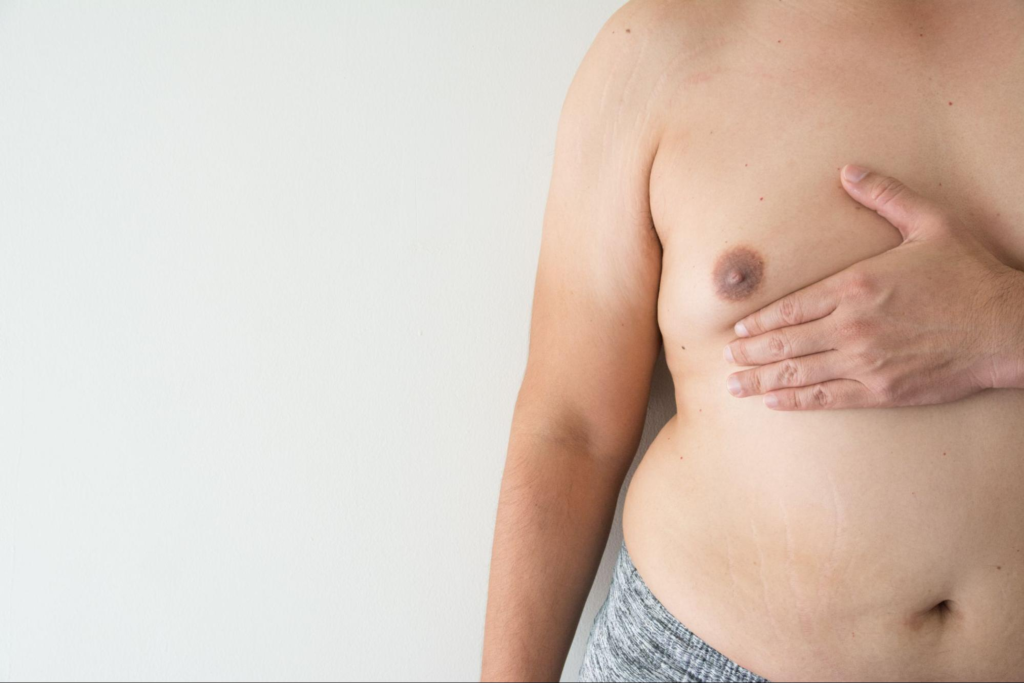
Gynecomastia is not the same as general chest fat. It involves the growth of glandular breast tissue, which is firmer than fat and often sits directly under the nipple or surrounding area. Some people have both glandular tissue and extra fat, which can make the chest look fuller.
Common causes may include:
- Hormonal changes during puberty or aging
- Use of certain medications
- Excess body fat
- Hormone-related medical conditions
- Natural changes in testosterone and estrogen balance
In some cases, gynecomastia goes away on its own. In other cases, it remains stable or slowly becomes more noticeable over time.
Why Grading Matters
The grade of gynecomastia helps describe how much the chest has changed. This is useful because treatment depends not only on the amount of tissue present, but also on whether there is loose skin, asymmetry, or a sagging appearance. A doctor may use a grading system during an examination to decide whether the problem is mild, moderate, or severe.
Grading also helps set realistic expectations. Someone with a small amount of tissue may only need monitoring, while someone with a larger amount may need a more involved treatment plan.
Grade 1 Gynecomastia
Grade 1 is the mildest form. In this stage, the enlargement is small and usually centered around the nipple area. There is little to no extra skin, and the chest shape remains mostly normal. The change may be visible in tight clothing, but it is often not obvious in loose clothing.
Typical features of Grade 1 include:
- Small amount of tissue under the nipple
- No major sagging
- Little or no excess skin
- Minimal visible chest enlargement
This grade may not require surgery. If the gynecomastia is recent, a doctor may recommend observation, especially if it developed during puberty. In some cases, the tissue may reduce over time without treatment.
Grade 2 Gynecomastia
Grade 2 is moderate enlargement. The chest looks more noticeable, and the tissue may extend beyond the nipple area. There may be a mild to moderate increase in chest size, but the skin still usually has enough tightness to maintain a fairly natural shape.
Grade 2 is often divided into two types:
- Grade 2a: Moderate enlargement without extra skin
- Grade 2b: Moderate enlargement with a small amount of extra skin
This stage may cause more concern because the chest contour becomes harder to hide. Clothing may fit differently, and the person may feel less comfortable in fitted shirts or during exercise. Treatment may include medical evaluation, weight management if needed, or surgery if the tissue remains stable and bothersome.
Grade 3 Gynecomastia
Grade 3 is more advanced. At this point, the enlargement is clearly visible, and there may be a drooping or sagging appearance. The chest may look fuller and heavier, and the skin is often stretched.
Features of Grade 3 may include:
- Significant tissue growth
- Noticeable chest projection
- Extra skin
- Mild sagging below the nipple line
This stage can be more difficult to manage with lifestyle changes alone. Surgery is often considered when the condition has been present for a long time and does not improve on its own. In some cases, the excess skin must also be removed to create a more natural chest shape.
Grade 4 Gynecomastia
Grade 4 is the most severe form. There is major enlargement, significant excess skin, and a feminine-looking breast contour. The breast tissue can be heavy and may hang down in a way similar to breast ptosis.
Grade 4 often includes:
- Large amount of glandular tissue
- Obvious breast shape
- Excess skin
- Clear sagging
- Possible discomfort from weight or friction
This stage usually needs surgical treatment if the person wants correction. Because the tissue and skin changes are extensive, the procedure may be more detailed than in mild cases. The goal is to remove excess tissue and reshape the chest for a flatter, more natural appearance.
How Doctors Evaluate Severity
A doctor does not look only at size. They also check the tissue type, skin quality, symmetry, pain, and how long the enlargement has been present. In some cases, a person may have pseudogynecomastia, which is chest fullness from fat rather than glandular tissue. That condition may respond better to weight loss than true gynecomastia.
A medical evaluation may include:
- Physical examination
- Review of symptoms
- Medication history
- Hormone testing if needed
- Imaging in selected cases
It is important to identify the cause, especially if the enlargement is new, painful, or happening quickly.

Treatment Options for Gynecomastia
The right treatment depends on the grade, the cause, and how long the condition has been present. Not every case needs surgery. Some cases improve naturally, while others need medical help.
Common treatment options include:
- Observation and follow-up
- Stopping or changing a medication if a doctor recommends it
- Treating an underlying hormone or health problem
- Managing body weight if excess fat is contributing
- Surgery for persistent glandular tissue or excess skin
For mild or recent cases, doctors may recommend waiting for a period of time to see whether the tissue decreases. This is especially common in teenage boys, since puberty-related gynecomastia often resolves on its own.
When Surgery May Be Recommended
Surgery is usually considered when the gynecomastia is long lasting, causes discomfort both physical and psychological, or affects confidence and quality of life. It may be especially useful in moderate to severe grades.
Surgical treatment may involve:
- Removal of glandular tissue
- Liposuction for excess fat
- Skin tightening or skin removal in advanced cases
- Reshaping of the chest contour
Recovery time depends on the procedure and the amount of tissue removed. Most people are advised to follow post-surgery instructions carefully to support healing and reduce swelling.
Emotional Impact Matters Too
Gynecomastia is not only a physical condition. Many people feel self-conscious, avoid certain clothes, or skip activities like swimming or sports because of embarrassment. These feelings are common and valid. Getting the right diagnosis can help reduce uncertainty and create a clear path forward.
Support from a doctor is useful because it helps a person understand whether the condition is temporary, what grade it is, and what options are available.
Final Thoughts
Gynecomastia can range from a small amount of tissue under the nipple to a more advanced chest enlargement with loose skin and sagging. The grading system helps describe how severe the condition is and guides treatment decisions of the best cosmetic surgeon in udaipur – star hospital udaipur mild cases may improve with time or simple medical care, while moderate and severe cases often benefit from surgery.
Understanding the grade of gynecomastia is the first step toward choosing the right
solution. A proper medical evaluation can identify the cause, rule out other problems,
and help determine whether observation, medical management, or surgery is the
best option.
At Star hospital, Udaipur , surgeries for Gynecomastia are routinely being carried out
with excellent results for patients from all over India and abroad.