- ISO 9001:2015 Certified Hospital
- starhospitaludaipur@gmail.com
- +919660713450
- +91 9928569121

Hair Transplant: Procedure, Benefits and Recovery Explained

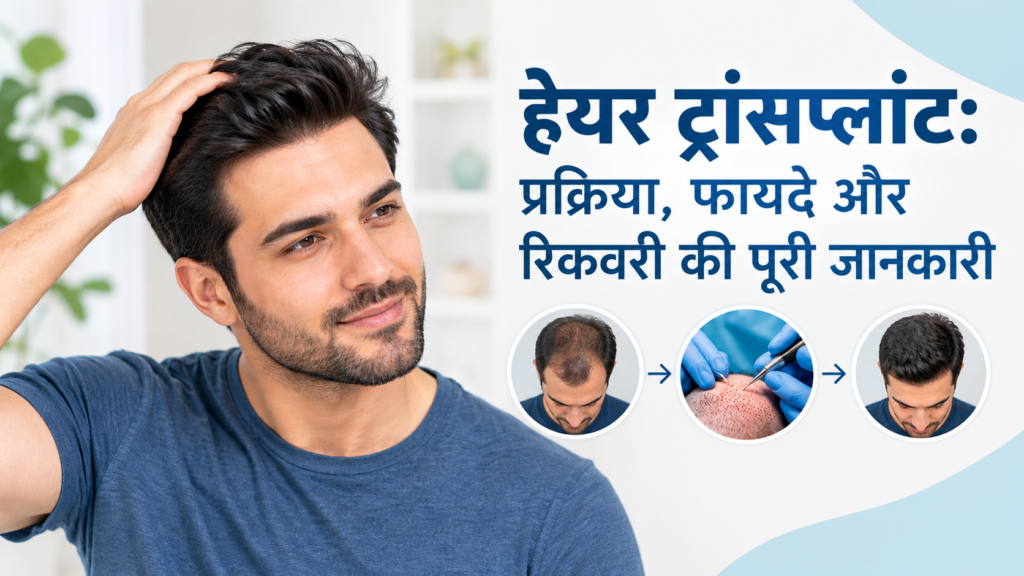
हेयर ट्रांसप्लांट: प्रक्रिया, फायदे और रिकवरी की पूरी जानकारी
October 21, 2026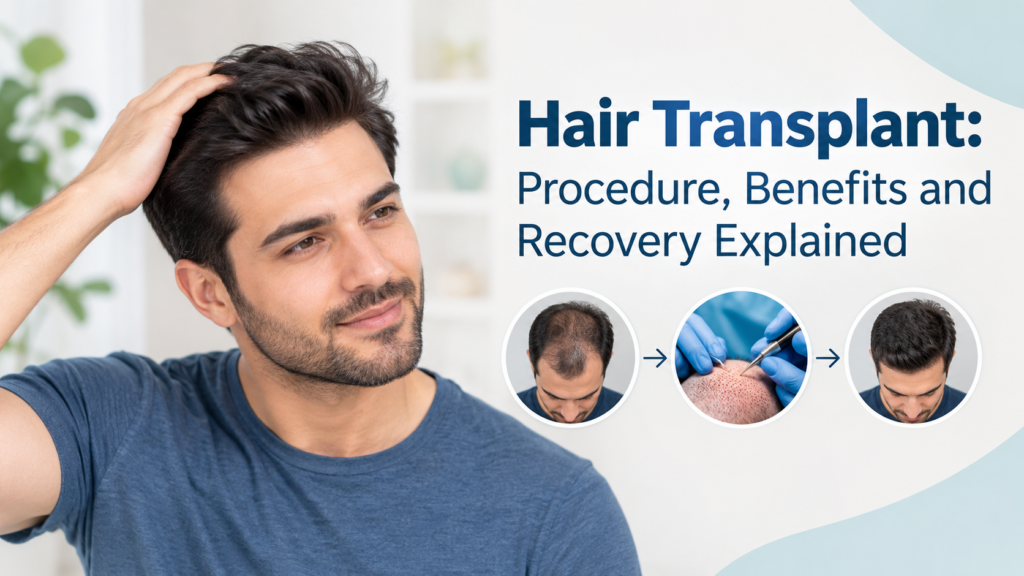
Hair loss is a common concern affecting both men and women, often influencing confidence and overall appearance. Factors such as genetics, hormonal changes, ageing, and certain medical conditions can contribute to gradual hair thinning or permanent hair loss. Modern medical advancements offer effective solutions for individuals looking to restore their natural appearance. For individuals considering a hair transplant in Udaipur, Star Hospital Udaipur provides access to plastic surgery care and consultation to explore suitable hair restoration options. A hair transplant is a surgical procedure designed to restore hair growth by transferring healthy follicles from one area of the scalp to another.
Understanding the treatment process is essential before making any decision. Patients should learn about available techniques, expected results, possible risks, and post-operative care requirements. Although modern procedures can produce natural-looking improvements, individual outcomes depend on factors such as donor hair availability, scalp condition, and the surgeon’s expertise. This guide explains the procedure, its benefits, preparation, recovery stages, and important precautions to help individuals make informed decisions about their treatment.
What Is a Hair Transplant and How Does It Work?
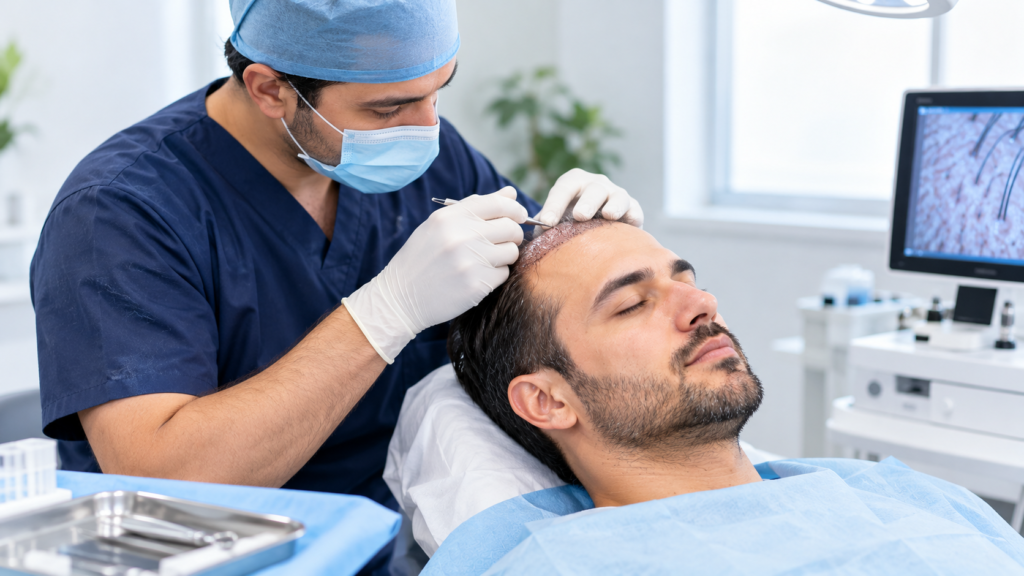
A hair transplant is a cosmetic surgical procedure in which healthy hair follicles are extracted from a donor area, usually the back or sides of the scalp, and implanted into areas experiencing hair loss.
The procedure uses the patient’s existing hair follicles to improve hair coverage. Once transplanted follicles establish themselves, they can continue producing hair.
This form of hair restoration surgery is commonly considered for individuals experiencing pattern baldness, receding hairlines, or selected cases of permanent hair loss.
However, suitability depends on scalp health, hair density, medical history, and realistic treatment expectations.
Types of Hair Restoration Procedures
Two commonly used techniques are available for surgical hair restoration.
1. Follicular Unit Extraction (FUE)
FUE involves extracting individual follicular units from the donor area using specialised instruments.
These follicles are carefully implanted into the treatment area.
Benefits may include:
- Small, scattered extraction scars.
- No long linear donor scar.
- Suitable for selected patients seeking shorter hairstyles.
- Natural-looking results when performed appropriately.
2. Follicular Unit Transplantation (FUT)
FUT involves removing a narrow strip of scalp from the donor region. The strip is then divided into individual follicular units for transplantation.
This technique may be considered when a larger number of grafts is required.
However, it leaves a linear scar at the donor site.
The choice between these techniques depends on donor hair availability, individual requirements, and the surgeon’s assessment.
Benefits of a Hair Transplant
A properly planned hair transplant can provide several aesthetic and practical benefits.
Natural-looking appearance: Careful graft placement can help recreate a natural hairline and improve hair coverage.
Long-lasting improvement: Successfully transplanted follicles often retain their resistance to pattern hair loss, although existing non-transplanted hair may continue thinning.
Improved confidence: Restoring hair coverage may positively influence personal appearance and self-confidence.
Personalised treatment: Surgeons can plan graft placement according to individual hair density, facial features, and restoration goals.
However, results vary, and complete hair density cannot be guaranteed.
Preparation Before the Procedure
Before undergoing a hair transplant, patients should attend a detailed consultation with a qualified surgeon.
During the appointment, the specialist evaluates scalp condition, donor hair availability, medical history, and treatment expectations.
Important preparation steps may include:
- Informing the surgeon about existing medical conditions.
- Discussing prescribed medicines and supplements.
- Avoiding smoking when advised.
- Following instructions regarding scalp hygiene.
- Completing recommended medical investigations.
Patients should never discontinue prescribed medication without professional guidance.
Hair Transplant Recovery Time and Healing Stages
Understanding hair transplant recovery time helps patients prepare for the healing process and manage expectations.
Recovery varies depending on the selected technique, number of grafts, and individual healing response.
| Recovery Stage | What to Expect |
| First 2–3 days | Mild swelling, redness, or discomfort |
| First 1–2 weeks | Small scabs gradually heal |
| 2–8 weeks | Temporary shedding of transplanted hair may occur |
| 3–4 months | New hair growth may begin |
| 6–9 months | Noticeable improvements may develop |
| 12–18 months | More complete results may become visible |
The overall hair transplant recovery time differs between individuals. Follow-up appointments help surgeons monitor healing and assess progress.
Important Aftercare Tips
Proper aftercare is essential for protecting newly implanted follicles.
Following a hair transplant, patients should carefully follow their surgeon’s instructions.
Recommended precautions include:
- Avoid touching or scratching the treated scalp.
- Use prescribed medications as directed.
- Follow recommended hair-washing instructions.
- Avoid strenuous physical activity until medically cleared.
- Protect the scalp from excessive sunlight.
- Attend scheduled follow-up appointments.
Potential complications include infection, bleeding, scarring, poor graft growth, and an unnatural-looking hairline. Seek medical attention for increasing pain, spreading redness, fever, or unusual discharge.
Who Is a Suitable Candidate?
Not everyone experiencing hair loss is automatically suitable for hair restoration surgery.
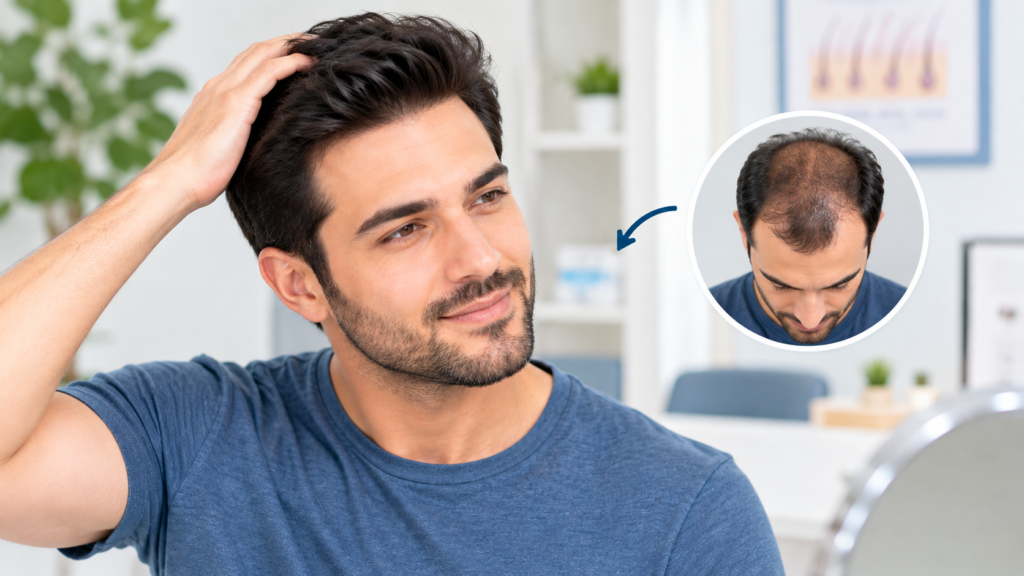
Suitable candidates generally have sufficient healthy donor follicles, stable hair-loss patterns, realistic expectations, and no untreated scalp conditions that could affect treatment.
A specialist may recommend alternative treatments when hair loss is temporary, widespread, or related to an underlying medical condition.
Conclusion
A hair transplant can be an effective option for suitable individuals seeking improved hair coverage and natural-looking results. Understanding the available techniques, benefits, possible risks, and recovery process is important before proceeding with treatment.
For professional consultation regarding hair restoration and plastic surgery options, individuals can contact Star Hospital Udaipur, a plastic surgery hospital in Udaipur offering specialised consultation and treatment options. A personalised medical assessment can help determine whether surgical treatment is appropriate and establish realistic expectations.
Frequently Asked Questions About Hair Transplant
1. Is a hair transplant a permanent solution?
Transplanted follicles can provide long-lasting growth, although natural hair loss may continue in untreated areas.
2. Is the procedure painful?
Local anaesthesia is generally used to minimise discomfort during surgery. Mild soreness may occur afterwards.
3. When can patients see visible results?
Initial growth often begins within three to four months, while fuller results may take 12–18 months.
4. Can women undergo this procedure?
Yes. Women with suitable donor hair and specific patterns of hair loss may be eligible after medical evaluation.
5. Does transplanted hair require special maintenance?
Special care is necessary during initial healing. Once fully recovered, transplanted hair can generally be maintained similarly to natural hair, following medical advice.