- ISO 9001:2015 Certified Hospital
- starhospitaludaipur@gmail.com
- +919660713450
- +91 9928569121

Burns & Post-Burn Deformities: Causes, Types, & Care

Hair Transplant: Procedure, Benefits and Recovery Explained
October 21, 2026
बर्न (जलन) और बर्न के बाद की विकृतियाँ: कारण, प्रकार और देखभाल
October 24, 2026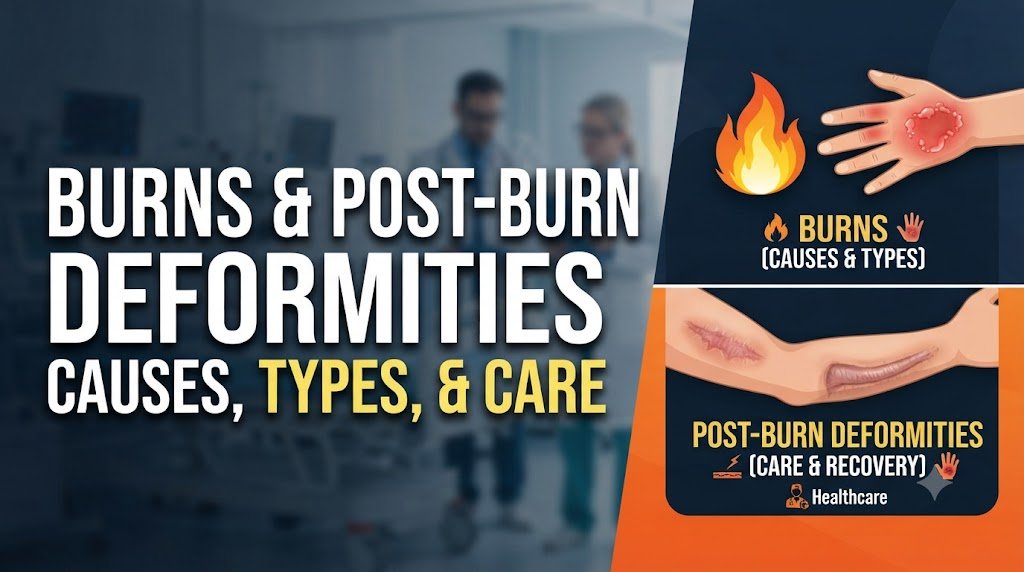
Burn injuries are among the most painful and complex medical conditions a person can experience, often leaving deep physical and emotional scars that impact long-term quality of life. Understanding the full scope of burns & post-burn deformities, along with their underlying causes and available treatment options, is vital for achieving optimal physical recovery and restoring daily functional movement. When seeking specialized plastic surgery in Udaipur, patients at Star Hospital receive advanced medical intervention and compassionate care tailored to manage burn injuries and prevent permanent disfigurement.
When skin tissues undergo severe damage from thermal, chemical, or electrical sources, the body naturally initiates a healing response that can sometimes lead to tight, raised, or restrictive tissue formations. Proper medical evaluation, early wound management, and specialized surgical procedures are crucial components in preventing long-term physical limitations. Star Hospital Udaipur provides quality care strategies designed to support patients throughout their healing journey, ensuring both physical function and appearance are restored.
Read More: Wound Suturing: A Complete Guide to Treatment and Recovery
Understanding Burns & Post-Burn Deformities
Burn injuries occur when the skin and underlying tissues sustain damage due to heat, chemicals, radiation, friction, or electricity. While minor burns may heal with minimal residual effects, moderate to severe burns frequently lead to long-term structural changes in the skin and underlying connective tissue.
When deep layers of skin are destroyed, the body attempts to close the open wound rapidly through the production of dense collagen fibers. This intense repair process can result in secondary complications, widely recognized as burns & post-burn deformities. These structural deformities affect not only the cosmetic appearance of the skin but also severely restrict movement, alter bodily functions, and affect emotional well-being.
Common Causes of Burn Injuries
Burn injuries can occur in a wide variety of domestic, occupational, and accidental settings. Identifying the precise cause helps medical professionals determine the correct treatment protocol.
- Thermal Burns: Caused by direct exposure to fire, hot liquids (scalding), hot metals, or steam. Scald burns from hot water or cooking oils are particularly common among young children and elderly individuals.
- Chemical Burns: Triggered by skin contact with strong acids, alkalis, drain cleaners, solvents, or industrial chemicals. These substances continue to damage tissue until thoroughly neutralized or washed away.
- Electrical Burns: Resulting from contact with electrical currents, high-voltage lines, or faulty household wiring. Electrical injuries often cause severe internal tissue damage along the pathway of the current, even when external skin wounds appear small.
- Radiation Burns: Caused by prolonged exposure to ultraviolet radiation (sunburn) or high-dose industrial and medical radiation therapy.
- Friction Burns: Occurring when skin rubs vigorously against a rough surface, such as in road rash accidents or industrial machinery mishaps.
Degrees and Classification of Burns
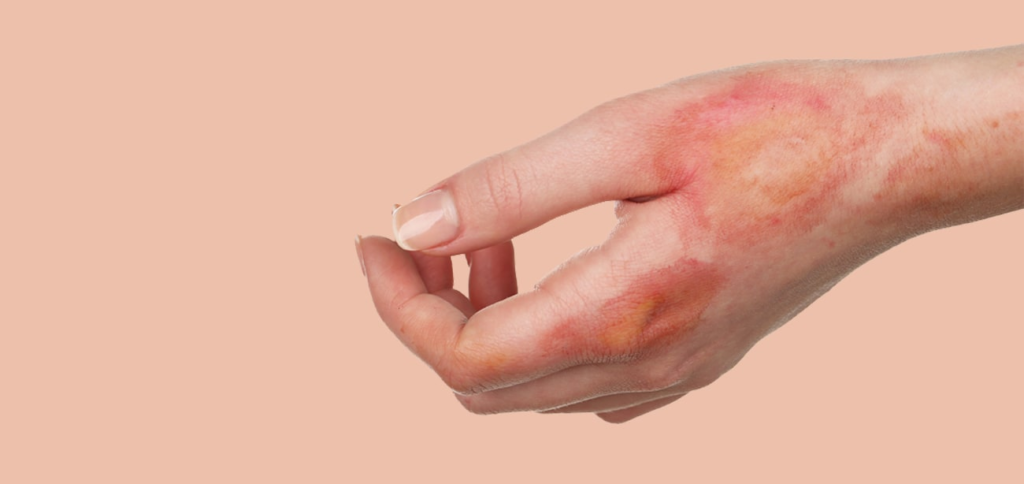
Medical professionals categorize burn injuries into distinct degrees based on the depth of tissue damage and the layers of skin involved:
| Burn Degree | Affected Skin Layer | Common Symptoms & Appearance |
| First-Degree | Epidermis (outermost layer) | Redness, minor swelling, pain, no blistering. |
| Second-Degree | Epidermis & partial Dermis | Blisters, intense pain, shiny/wet appearance, redness. |
| Third-Degree | Full thickness (Epidermis & entire Dermis) | White, charred, or leathery texture; numbness due to destroyed nerves. |
| Fourth-Degree | Deep tissue (Muscle, tendon, bone) | Blackened or charred appearance; complete nerve damage; severe tissue loss. |
Types of Post-Burn Deformities
When severe burns heal without specialized position management, splinting, or early surgical intervention, they frequently evolve into permanent physical changes. These complications can affect any part of the body, particularly areas near active joints.
1. Hypertrophic Scars
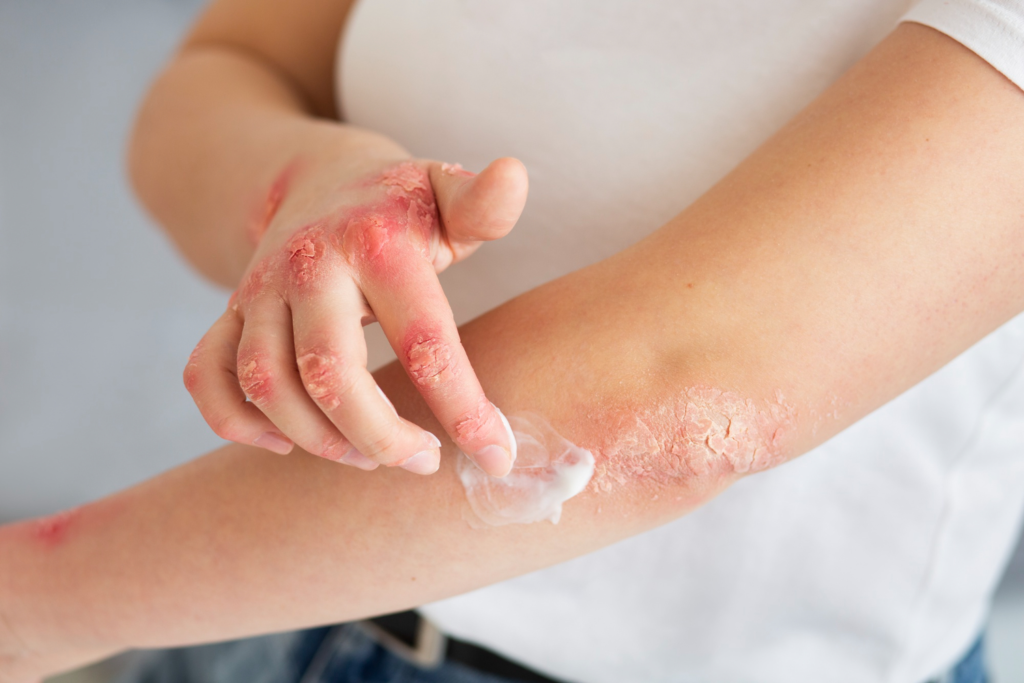
Hypertrophic scars are thick, raised, red, or dark tissue formations that develop strictly within the boundaries of the original burn wound. They are often accompanied by intense itching, tightness, and tenderness. While they may gradually flatten over several years, they frequently cause functional discomfort.
2. Burn Scar Contracture
A burn scar contracture occurs when healing skin tightens and shortens, pulling the surrounding tissue, muscles, and joint structures together. This significantly restricts normal joint movement, making everyday tasks like bending an elbow, extending a wrist, or moving the neck extremely difficult and painful.
3. Keloid Scars
Unlike hypertrophic scars, keloid scars grow beyond the original margins of the burn wound. They form smooth, hard, raised nodules that rarely subside on their own and require specialized medical management to prevent continued overgrowth.
4. Pigmentary Alterations
Deep burn wounds often destroy the melanocytes (pigment-producing cells) within the skin, resulting in permanent hyperpigmentation (darkening) or hypopigmentation (lightening) across the healed tissue.
Functional and Psychological Impact of Deformities
The consequences of severe burns & post-burn deformities extend far beyond surface aesthetics. Patients face daily challenges that affect multiple aspects of life:
- Physical Limitations: Reduced range of motion in joints (elbows, knees, fingers, neck) restricts the ability to work, perform self-care, or participate in physical activities.
- Chronic Pain and Discomfort: Scar tissue lacks the flexibility and elasticity of normal skin, leading to persistent tightness, itching, and chronic pain.
- Facial and Cosmetic Alterations: Deformities on the face, hands, or visible body areas can profoundly alter facial expressions, speech, or hand dexterity.
- Emotional and Social Burden: Patients often experience severe emotional distress, anxiety, depression, body dysmorphia, or social withdrawal due to changes in physical appearance.
Comprehensive Care & Treatment Options for Burns & Post-Burn Deformities
Managing complex burn injuries requires a multi-disciplinary approach involving acute burn management, physical rehabilitation, pressure therapy, and reconstructive surgery.
Acute Wound Care and Prevention
Early treatment is the single most critical factor in preventing severe post-burn complications. Proper wound cleansing, sterile dressings, infection control, and topical antimicrobial applications promote optimal healing. Position management, night splinting, and early physical therapy ensure that healing tissue is kept elongated to minimize joint stiffness.
Non-Surgical Scar Management
For moderate scar formations and developing tightness, non-surgical options are highly effective:
- Pressure Garments: Custom-fitted elastic compression garments worn over healed burns help flatten raised scar tissue by reducing local blood flow and collagen synthesis.
- Silicone Gel Sheets: Applied directly over scars to hydrate the tissue, soften stiffness, and reduce redness and itching.
- Steroid Injections: Intralesional corticosteroid injections help break down excessive collagen fibers in raised hypertrophic or keloid scars.
- Physiotherapy and Occupational Therapy: Targeted stretching exercises and active range-of-motion routines keep joints flexible and combat tissue tightening.
Reconstructive Plastic Surgery Options
When a severe burn scar contracture restricts joint motion or alters facial features, surgical intervention becomes necessary. Advanced reconstructive plastic surgery aims to release tight scar tissue, restore functional mobility, and improve cosmetic contours.
Common surgical techniques include:
- Contracture Release: Surgical incision or excision of tight scar tissue to free restricted joints and restore full movement.
- Skin Grafting: Transferring healthy skin from an uninjured donor site to cover open areas left after contracture release.
- Flap Surgery: Moving healthy skin, underlying subcutaneous tissue, and blood vessels from an adjacent area to repair deep or complex tissue defects.
- Tissue Expansion: Placing temporary inflatable expanders beneath healthy skin near the burn site to stretch and create extra tissue for coverage.
The Role of Reconstructive Surgery in Long-Term Recovery
Through specialized reconstructive plastic surgery, medical experts can reconstruct damaged facial features, free locked joints, and rebuild functional integrity in hands and limbs. Combined with post-operative physiotherapy, these surgical interventions empower individuals to regain independence, resume normal activities, and re-establish confidence in their daily personal and professional lives.
Managing Burns & Post-Burn Deformities: Recovery and Rehabilitation
Recovery from complex burns & post-burn deformities is a long-term process requiring dedication, patience, and ongoing medical support. Following surgical scar release or skin grafting, patients must continuously engage in prescribed physical therapy routines, wear custom pressure garments, and protect sensitive scar tissue from direct sun exposure.
A dedicated multi-disciplinary medical team works closely with each patient to design a tailored recovery roadmap focused on functional independence and emotional well-being. At Star Hospital Udaipur, patient-centric care pathways, modern surgical facilities, and structured post-operative rehabilitation programs ensure optimal recovery outcomes for individuals overcoming severe burn injuries.
Conclusion
Managing severe burn injuries requires immediate medical attention, structured wound management, and dedicated long-term care to prevent disabling complications. Understanding the physical causes and varied progression of burns & post-burn deformities empowers patients and families to seek timely specialized care. From advanced non-surgical compression techniques to specialized tissue reconstruction, early intervention plays a pivotal role in restoring mobility and life quality. By choosing a leading plastic surgery hospital in Udaipur, patients gain access to expert medical evaluation, individualized rehabilitation, and compassionate multi-disciplinary support to successfully achieve long-term healing, functional freedom, and renewed self-confidence at Star Hospital Udaipur.
Frequently Asked Questions About Burns & Post-Burn Deformities
1. What are the first steps to take immediately after sustaining a thermal burn?
Immediately cool the burn wound with clean, cool running water for 10 to 20 minutes. Do not apply ice, cold water, butter, oils, or home remedies, as these can deepen tissue damage. Cover the area loosely with a clean, sterile cloth and seek immediate medical attention at a qualified hospital.
2. How long does it take for post-burn deformities and scars to mature?
Burn scars typically undergo a maturation process that lasts between 12 and 24 months. During this period, scars may remain red, raised, or tight. Active non-surgical management, such as pressure garments and stretching exercises, should be maintained continuously throughout this maturation phase.
3. Can a severe burn scar contracture resolve on its own without surgery?
No, a severe contracture involves permanently shortened, tight scar tissue that locks joints or alters normal skin contours. While physical therapy and compression garments can prevent minor tightness from worsening, an established structural contracture usually requires surgical release and tissue reconstruction.
4. What are the primary benefits of reconstructive plastic surgery after burn injuries?
Reconstructive surgery helps release tight scar tissue, restores normal range of motion in affected joints, reconstructs facial or bodily contours, relieves chronic skin tightness, and significantly improves both functional independence and physical appearance.
5. How can patients minimize scar formation during the initial healing phase?
Patients can minimize severe scarring by keeping burn wounds clean and free of infection, applying prescribed medical ointments, using silicone gel sheets or custom pressure garments as advised, attending regular physical therapy, and protecting healed skin from direct sunlight.