- ISO 9001:2015 Certified Hospital
- starhospitaludaipur@gmail.com
- +919660713450
- +91 9928569121

Psychological Impact of Gynecomastia in Men: Understanding Emotional and Mental Health Effects

पुरुषों में गाइनेकोमास्टिया (Gynecomastia) का मनोवैज्ञानिक प्रभाव: भावनात्मक और मानसिक स्वास्थ्य प्रभावों को समझना
May 27, 2026
महिलाओं का अंतरंग स्वास्थ्य और आत्मविश्वास: तंदुरुस्ती, देखभाल और आत्म-विश्वास के लिए एक संपूर्ण मार्गदर्शिका
May 28, 2026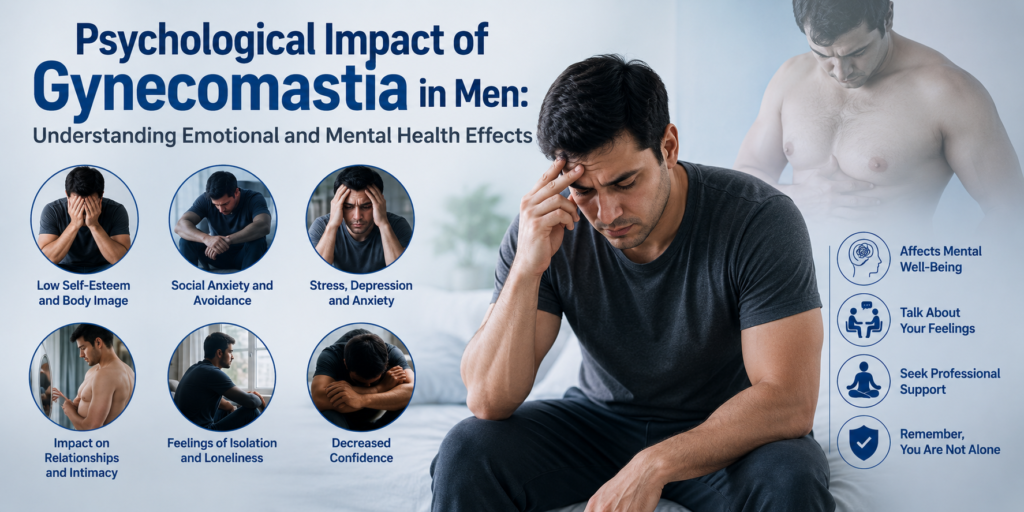
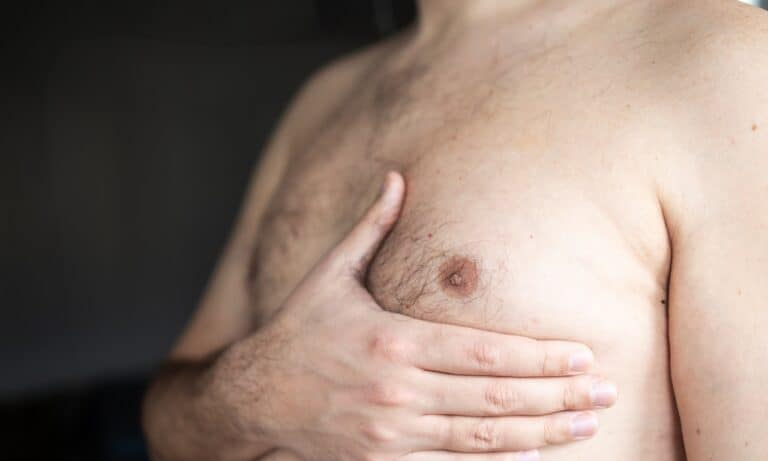
Gynecomastia is a condition that causes the enlargement of breast tissue in men. While it is often discussed as a physical concern, its emotional and mental health effects are just as important. Many men who live with gynecomastia experience embarrassment, stress, anxiety, and reduced self-confidence. In some cases, the psychological impact can affect relationships, social life, work performance, and overall quality of life. For those seeking expert care, male beast reduction (gynecomastia) surgery in udaipur at star hospital udaipur may be considered as a treatment option to help improve both physical comfort and emotional well-being.
Understanding these emotional effects is important because gynecomastia is not only about appearance. It can influence how a person sees himself and how he interacts with the world. The mental burden may be hidden, but for many men it is very real.
How Gynecomastia Affects Self-Image
Self-image refers to the way a person perceives his own body and identity. For men with gynecomastia, changes in chest appearance can lead to discomfort and self-consciousness. Many begin to compare themselves with others and feel that their body does not match social expectations of masculinity.
This can create a cycle of negative thinking. A man may avoid looking in the mirror, refuse to wear fitted clothing, or constantly try to hide the chest area. Over time, these habits can lower self-esteem and make the condition feel even more overwhelming.
Common self-image concerns may include:
- Feeling less masculine
- Worrying about appearance in public
- Avoiding shirts that show the chest shape
- Feeling anxious during exercise or swimming
- Struggling with body confidence in relationships
When self-image is affected for a long period, it can influence a person’s overall mental well-being.
Emotional Challenges Men Commonly Experience
Gynecomastia can lead to several emotional reactions. Some men feel frustration because the condition may appear suddenly or develop during puberty, adulthood, or after certain medical changes. Others feel shame because they believe they should be able to control their appearance.
The most common emotional effects include:
- Embarrassment
- Shame
- Frustration
- Anxiety
- Social withdrawal
- Low mood
- Reduced confidence
These emotions are often intensified by fear of being judged. A man may worry that others will notice his chest shape and make assumptions about his health, habits, or masculinity. Even when no one says anything, the fear alone can be stressful.
Social Pressure and Stigma
Society often places strong expectations on men to appear confident, strong, and physically fit. Because of this, gynecomastia can feel especially difficult to talk about. Some men may believe they should ignore the problem or handle it on their own.
This stigma can make the condition emotionally heavier. Instead of seeking support, many men stay silent. They may avoid discussing how they feel with family, friends, or doctors. As a result, the emotional strain can grow over time.
Social pressure may also affect daily activities. A man with gynecomastia might:
- Avoid the beach or pool
- Change clothes in private whenever possible
- Refuse to participate in sports or gym sessions
- Feel nervous in romantic situations
- Keep physical distance from others out of fear of being noticed
These behaviors may seem small at first, but they can gradually reduce social confidence and limit normal life experiences.
Impact on Anxiety and Mental Health
For some men, gynecomastia can contribute to anxiety. Anxiety may arise from fear of judgment, anticipation of embarrassment, or constant awareness of body appearance. In some cases, men become highly focused on how their chest looks in different clothes or under different lighting.
This can lead to repeated checking in the mirror, adjusting clothing often, or trying to hide the chest throughout the day. Such habits may provide temporary relief but can also increase mental stress.
Gynecomastia may also contribute to low mood or depressive feelings, especially when the condition feels long-lasting or difficult to discuss. A man who feels trapped by his body image may lose interest in social activities or feel disconnected from others.
Signs that emotional distress may be increasing include:
- Persistent sadness
- Loss of interest in activities
- Avoiding social situations
- Trouble concentrating
- Poor sleep due to worry
- Constant self-criticism
When these signs appear, emotional support becomes very important.
Effects on Relationships and Intimacy
Gynecomastia can influence romantic and personal relationships. Some men feel uncomfortable being seen without a shirt, even by a partner. Others fear that a partner may react negatively or lose attraction.
These feelings can create tension or distance in relationships. A person may avoid intimacy, become overly guarded, or struggle to communicate honestly about body concerns. In some cases, the issue is not the partner’s response but the man’s own fear and insecurity.
Open communication can help. Many partners are more understanding than expected, but fear often prevents men from speaking honestly. When feelings are hidden, emotional stress may increase unnecessarily.
Impact During Adolescence and Young Adulthood
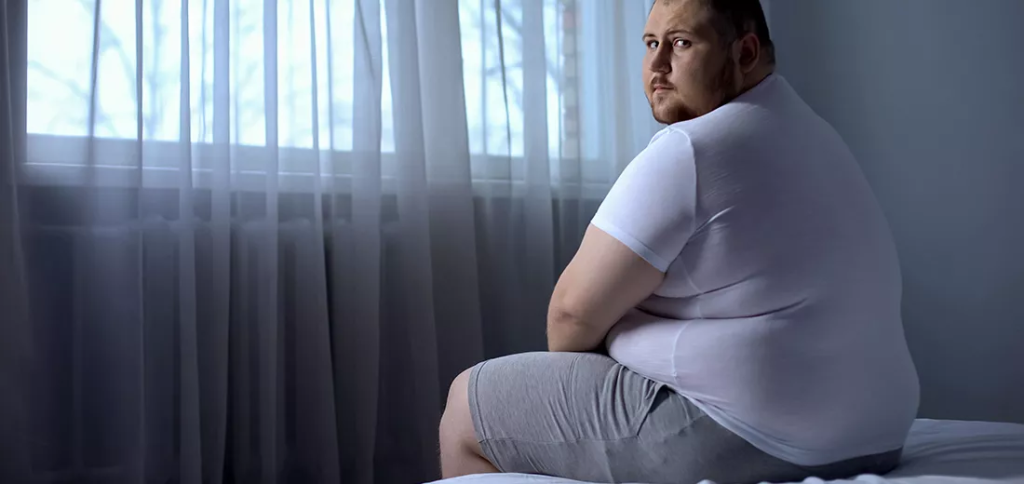
Teenage boys and young adults are especially vulnerable to the psychological effects of gynecomastia. This is a time when appearance, identity, and peer acceptance matter deeply. Even mild chest enlargement can feel highly distressing if it leads to teasing or unwanted attention.
Young people may be more likely to:
- Experience bullying or jokes
- Feel isolated from classmates
- Avoid sports or changing rooms
- Develop insecurity that lasts into adulthood
If gynecomastia begins during these years, the emotional effects can shape body confidence for a long time. Early support can make a meaningful difference.
Coping With the Emotional Impact
Managing the psychological side of gynecomastia often requires more than focusing on the physical change. Emotional support, self-acceptance, and professional guidance can all help.
Helpful approaches include:
- Talking openly with a trusted person
- Learning that gynecomastia is a common medical condition
- Wearing clothing that feels comfortable and supportive
- Avoiding excessive self-criticism
- Speaking with a doctor about possible causes and treatment options
- Seeking counseling if stress, shame, or anxiety becomes overwhelming
It is also important to remember that emotional reactions are valid. Feeling upset about body changes does not mean someone is weak. It means the condition is affecting an important part of life.
When to Seek Professional Support
If gynecomastia is causing ongoing distress, professional help can be useful. A doctor can evaluate the condition, rule out underlying medical causes, and explain treatment options. A mental health professional can help address anxiety, low self-esteem, or body image concerns.
Support may be especially important if the condition affects:
- School or work performance
- Social confidence
- Relationships
- Daily comfort
- General mood and motivation
Getting help early can prevent emotional stress from becoming more severe.
Conclusion
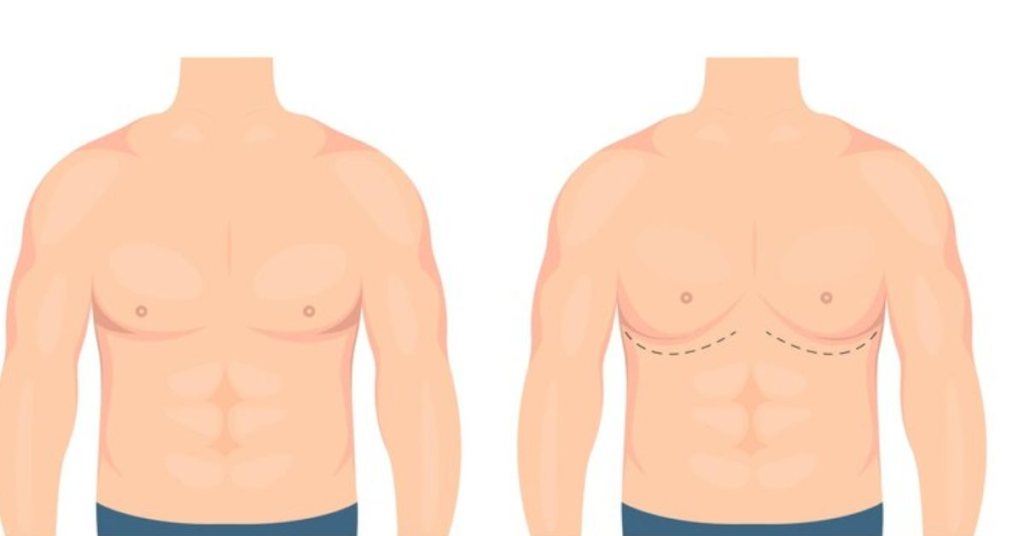
The psychological impact of gynecomastia in men is often overlooked, but it can be deeply meaningful. Beyond the physical changes, many men face embarrassment, anxiety, low self-esteem, and social discomfort. These emotional effects can influence relationships, confidence, and mental health in everyday life. For advanced care and expert guidance best cosmetic surgeon in udaipur at star hospital udaipur can provide effective evaluation and treatment options tailored to individual needs.
Understanding the condition as both a physical and emotional issue is an important step toward better support. With open conversation, medical guidance, and emotional care, men can manage the impact of gynecomastia in a healthier and more confident way