- ISO 9001:2015 Certified Hospital
- starhospitaludaipur@gmail.com
- +919660713450
- +91 9928569121

7 Common Mistakes to Avoid After Tummy Tuck Surgery for a Smooth Recovery

पेट की सर्जरी के बाद सुचारू रिकवरी के लिए इन 7 आम गलतियों से बचें
May 5, 2026
Gynecomastia Myths vs Facts: What You Really Need to Know
May 7, 2026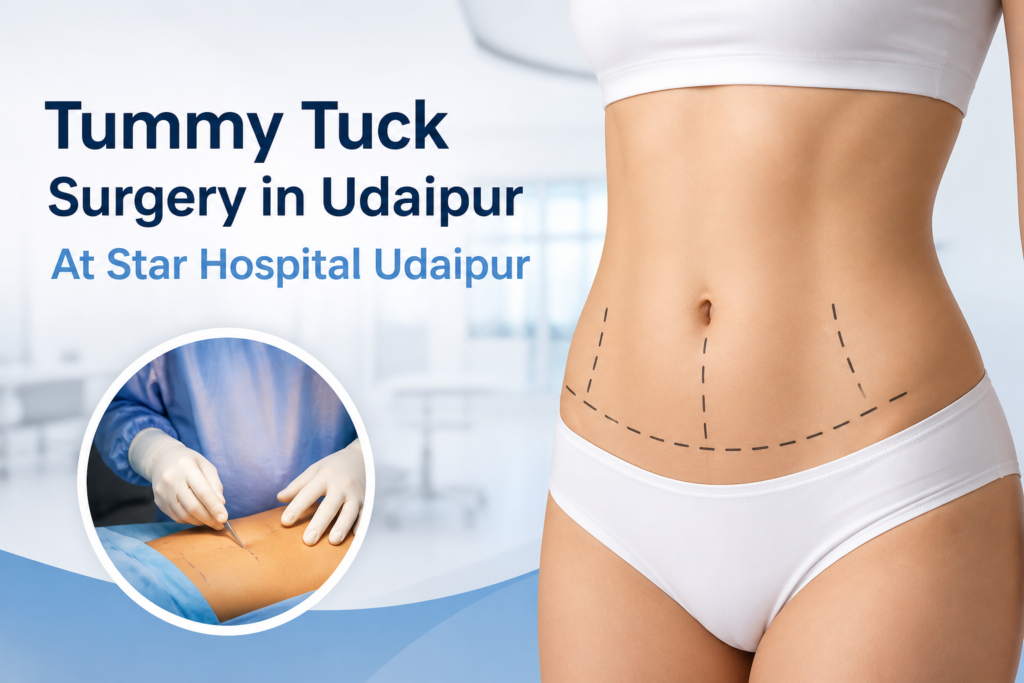
A tummy tuck, also known as abdominoplasty, can be a life-changing procedure for people who want a flatter and more toned abdominal area. If you are considering tummy tuck surgery in udaipur at star hospital udaipur it is important to understand that while the surgery itself is a crucial step, the recovery period plays an equally major role in achieving the best results. Many patients expect the healing process to be simple, but small mistakes during recovery can slow down progress, increase discomfort, and affect the overall outcome
Following the right aftercare instructions helps the body heal properly, reduces the risk of complications, and supports better results. To make recovery easier, it is important to know what not to do after surgery. Here are seven common mistakes to avoid after tummy tuck surgery for a smoother and safer recovery.
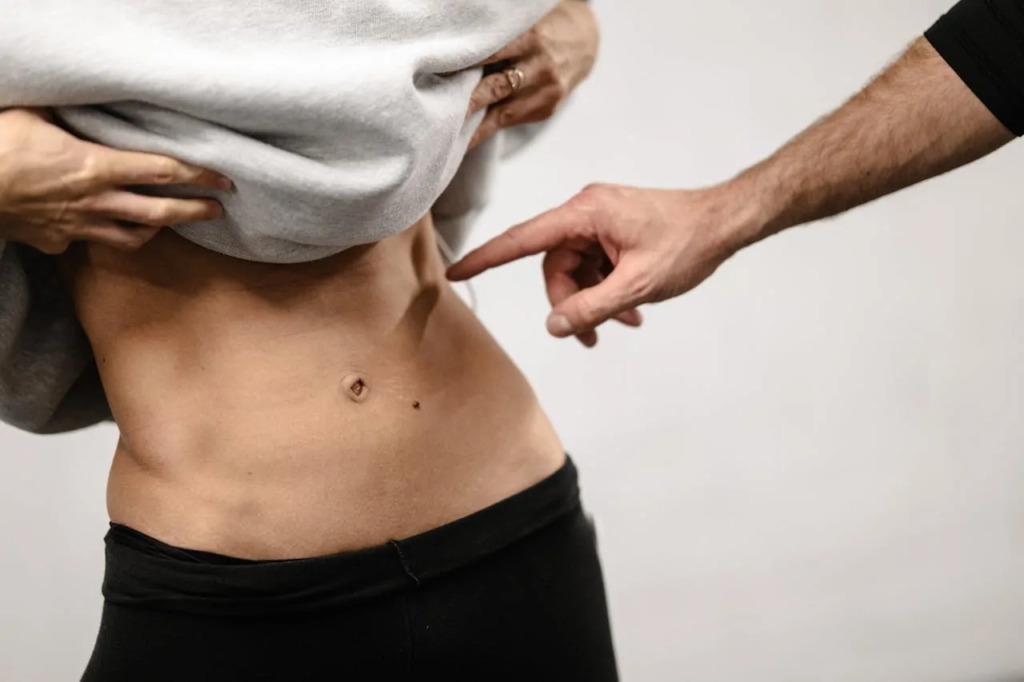
1. Ignoring Your Surgeon’s Recovery Instructions
One of the biggest mistakes patients make after tummy tuck surgery is not following the instructions given by their surgeon. Every surgery is different, and your doctor’s advice is based on your specific condition, procedure, and healing needs. Skipping instructions can delay recovery and increase the chance of problems.
Some patients feel fine within a few days and start doing things their own way. This can be risky. Recovery guidelines may include how to care for the incision, when to wear a compression garment, how to sleep, and when to return for follow-up visits.
Important things to follow may include:
- Taking medicines exactly as prescribed
- Cleaning the incision area as instructed
- Wearing the compression garment for the recommended time
- Attending all follow-up appointments
Even if something seems minor, it is always better to ask your surgeon instead of guessing.
2. Doing Too Much Too Soon
After surgery, many people feel tempted to get back to normal life quickly. However, overexerting your body too early can slow healing and increase swelling or pain. A tummy tuck involves tissue repair, and the body needs time to rest and rebuild.
Heavy lifting, bending, twisting, or intense movement can put pressure on the stitches and internal healing tissues. Even simple household tasks may be too much during the early days of recovery.
It is better to start slowly and let your energy return gradually. Light walking is usually encouraged because it helps circulation and lowers the risk of blood clots, but anything more strenuous should wait until your surgeon says it is safe.
3. Lying Down the Wrong Way
Sleeping and resting position matter a lot after tummy tuck surgery. Many patients do not realize that lying flat too soon can strain the incision area and cause discomfort. The abdomen needs to stay in a slightly bent position in the early recovery stage to reduce tension on the surgical site.
Common sleep mistakes include:
- Sleeping flat on the back too early
- Sleeping on the stomach
- Turning or twisting during rest
- Not using pillows for support
A slightly elevated position with support under the knees can help improve comfort and protect the healing area. The goal is to keep pressure off the incision and allow the tissues to heal without pulling.
4. Not Wearing the Compression Garment Properly
Compression garments are often an important part of tummy tuck recovery. They help reduce swelling, support the healing tissues, and improve comfort. However, some patients wear them incorrectly, remove them too often, or stop using them before the recommended time.
If the garment is too loose, it may not provide enough support. If it is too tight, it may become uncomfortable and interfere with circulation. That is why proper fit and correct usage are so important.
To get the most benefit, make sure to:
- Wear the garment for the full time advised by your surgeon
- Keep it clean and dry
- Avoid adjusting it too frequently
- Report any pain, redness, or skin irritation to your doctor
Using the garment as instructed can make a real difference in how smoothly you recover.
5. Eating the Wrong Foods During Healing
Nutrition plays a major role in recovery after surgery. Some people ignore diet and continue eating too much processed food, too much salt, or not enough protein. This can affect energy levels, increase swelling, and slow down tissue repair.
A healthy recovery diet should support healing from the inside out. Protein helps rebuild tissue, while vitamins and minerals support immune function and wound healing. Hydration is also very important because dehydration can make you feel weak and slow down recovery.
Try to include foods that are rich in:
- Lean protein
- Fresh fruits and vegetables
- Whole grains
- Plenty of water
- Healthy fats in moderation
At the same time, it is wise to limit foods that are very salty, heavily processed, or low in nutrients. A balanced diet gives your body the fuel it needs to heal well.
6. Returning to Exercise Before You Are Ready
Exercise is healthy, but after a tummy tuck, timing matters. Many patients make the mistake of returning to workouts too early because they are eager to maintain their fitness routine. Unfortunately, early exercise can disturb the healing process and place stress on the abdominal area.
Even if your body starts to feel better, the internal tissues may still be recovering. Activities like running, weight training, crunches, and high-impact exercise should be avoided until your surgeon gives the approval.
A safer approach is to:
- Begin with light walking only
- Increase activity slowly
- Avoid core exercises too soon
- Stop immediately if you feel pain or pulling
Patience during this stage helps protect your results and lowers the chance of setbacks.
7. Ignoring Warning Signs and Delaying Help
Another serious mistake is assuming that all discomfort is normal and ignoring warning signs. Some swelling, bruising, and soreness are expected after surgery, but certain symptoms may need medical attention.
Do not ignore signs such as:
- Unusual redness or warmth around the incision
- Fever
- Sudden increase in pain
- Heavy bleeding or drainage
- Shortness of breath
- One-sided swelling or leg pain
If something feels wrong, contact your Cosmetic-Plastic surgeon right away. It is always safer to ask early rather than wait and hope the problem goes away. Quick attention can prevent a small issue from becoming a bigger one.
Building Better Recovery Habits
Avoiding these common mistakes can help make recovery more comfortable and improve your final results. The healing process after a tummy tuck is not just about rest. It is about smart choices, patience, and consistent care.
A few simple habits can support recovery:
- Follow all medical instructions carefully
- Rest when your body needs it
- Drink enough water
- Eat nutritious meals
- Wear the compression garment correctly
- Keep all follow-up visits
- Move gently, but avoid overdoing it
Recovery takes time, and every body heals at a different pace. Staying disciplined during this period can make a noticeable difference in both comfort and outcome.
Final Thoughts
A tummy tuck can deliver excellent results, but only when recovery is handled with care. If you are under the guidance of the best cosmetic surgeon in udaipur at star hospital udaipur following proper aftercare becomes even more important. Avoiding common mistakes such as overexertion, poor sleep posture, ignoring instructions, and returning to exercise too soon can help you heal more smoothly and confidently. Paying close attention to your body and strictly following your surgeon’s guidance will give you the best chance for a safe recovery and a successful outcome.
The more carefully you treat your recovery period, the better your long-term results are likely to be.