- ISO 9001:2015 Certified Hospital
- starhospitaludaipur@gmail.com
- +919660713450
- +91 9928569121

Gynecomastia Myths vs Facts: What You Really Need to Know

7 Common Mistakes to Avoid After Tummy Tuck Surgery for a Smooth Recovery
May 5, 2026
कुछ प्रमुख लक्षण जिन्हें आपको नज़रअंदाज़ नहीं करना चाहिए और स्त्री रोग विशेषज्ञ से कब परामर्श लेना चाहिए
May 7, 2026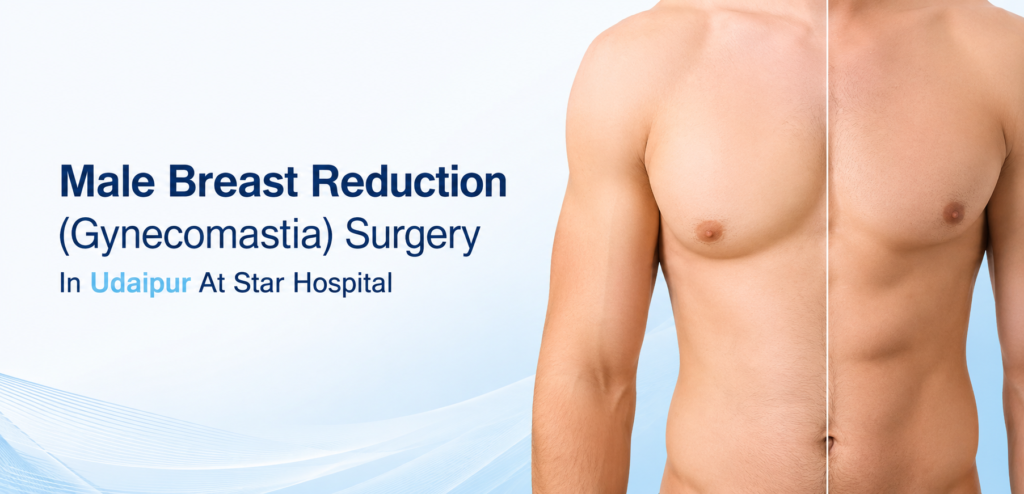
Gynecomastia is a condition that many people have heard about, but few truly understand. It refers to the enlargement of breast tissue in males, and it can happen at different ages for different reasons. For some, it appears during puberty and goes away on its own. For others, it may last longer and cause concern, embarrassment, or confusion.
Because the topic is often surrounded by rumors and half-truths, many people believe myths that are simply not correct. Learning the facts is important because it helps reduce fear, clear up confusion, and support better health decisions. In this article, we will look at the most common myths and facts about gynecomastia, along with what causes it, when it may need medical attention, and what treatment options may be available, including options like Male Breast Reduction (Gynecomastia) Surgery In Udaipur At Star Hospital for those seeking professional care.
What Gynecomastia Really Is
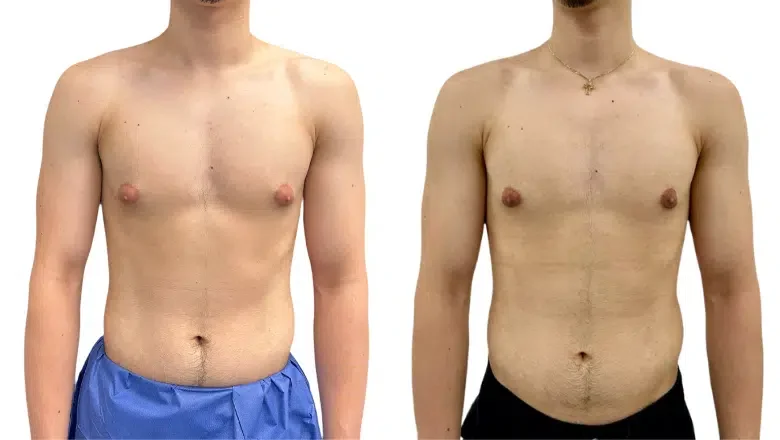
Gynecomastia is not the same as excess body fat alone. It is the growth of actual glandular breast tissue in males, usually due to an imbalance between the hormones estrogen and testosterone. This condition may affect one breast or both and can sometimes cause tenderness or sensitivity.
It is more common than many people think. It can occur in newborns, teenage boys, and adult men. In many cases, it is harmless, but it can still affect self-confidence and emotional well-being.
Myth 1: Gynecomastia Only Happens to Older Men
This is one of the most common myths. Many people assume gynecomastia only affects aging men, but that is not true.
The fact is that gynecomastia can happen at several stages of life. It is often seen during puberty because hormone levels are changing rapidly. Most cases in teenagers improve naturally over time. It can also appear in adults due to medications, medical conditions, hormone changes, or lifestyle factors.
Myth 2: It Means a Person Is Overweight
Another common misunderstanding is that gynecomastia is always caused by being overweight. While excess body fat can make the chest look fuller, it is not the same as gynecomastia.
Here is the difference:
- Gynecomastia involves glandular tissue growth.
- Chest fat is caused by fat accumulation, not glandular enlargement.
- A person can be thin and still develop gynecomastia.
This distinction matters because the treatment approach may be different depending on the cause.
Myth 3: It Always Goes Away on Its Own
Some cases do improve without treatment, especially during puberty. However, not every case disappears naturally.
If gynecomastia lasts for a long time, becomes more noticeable, or causes pain or distress, it may need medical evaluation. A doctor can help identify whether the condition is temporary or linked to another issue. Sometimes an underlying cause such as a hormonal disorder, thyroid problem, liver disease, or medication side effect needs attention.
Myth 4: Exercise Can Completely Cure It
Exercise is healthy and can help reduce overall body fat, but it may not remove gynecomastia if glandular tissue is the main cause.
This is an important point to understand. Strength training and cardio can improve fitness and body shape, but they do not always eliminate enlarged breast tissue. If the chest appearance is due to gland growth rather than fat, exercise alone may not solve the problem.
That said, regular physical activity can still support overall health and confidence, especially when combined with good medical advice.
Myth 5: It Is Always a Sign of a Serious Disease
Gynecomastia is often harmless and common, especially during puberty or with certain age-related hormone changes. However, in some cases it may be linked to a medical condition or medication.
Possible causes may include:
- Hormonal imbalance
- Certain prescription medicines
- Liver or kidney problems
- Thyroid disorders
- Use of anabolic steroids or other substances
- Natural changes during puberty or aging
Most cases are not dangerous, but it is still wise to get checked if the condition appears suddenly, grows quickly, or is associated with other symptoms.
Facts You Should Know About Gynecomastia
Now that the myths are clear, let us look at the facts that really matter.
Gynecomastia is common. Many males experience it at some point in life, especially during adolescence.
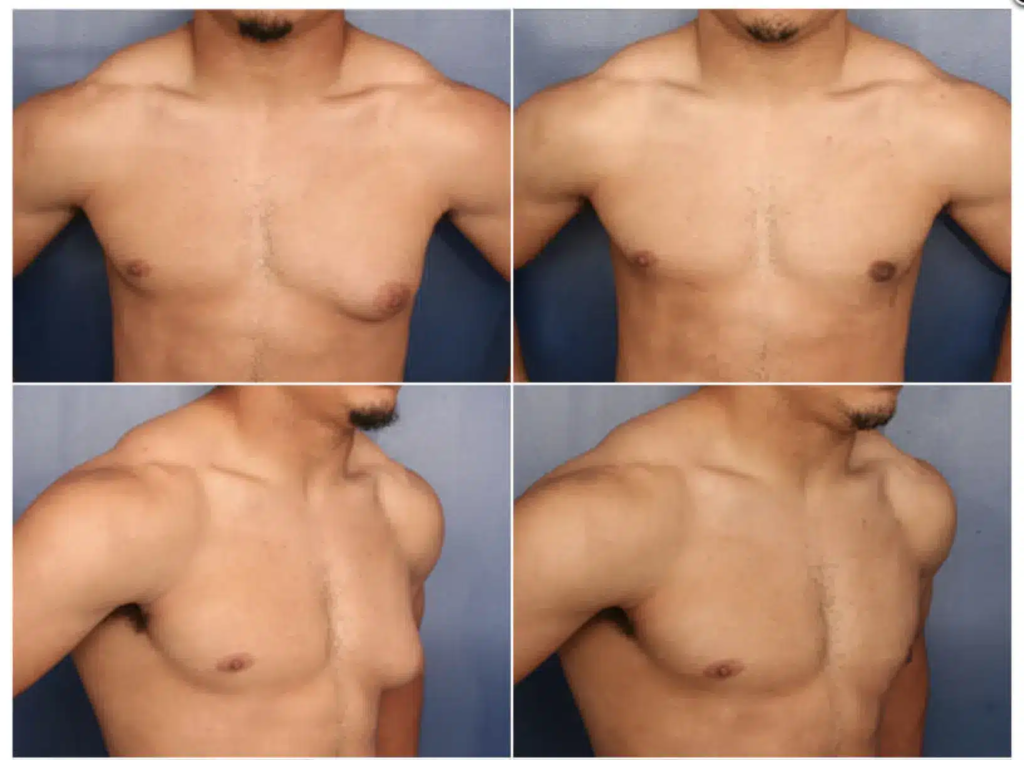
It can affect one side more than the other. The enlargement may not always be symmetrical.
It may cause discomfort. Some people notice tenderness, swelling, or a sensitive feeling in the chest area.
It can affect confidence. Even when it is not medically serious, it may lead to stress, self-consciousness, or avoidance of certain clothing and activities.
Medical evaluation can help. A doctor may review symptoms, medications, hormone levels, and overall health to find the cause.
When Should You See a Doctor?
It is a good idea to seek medical advice if:
- The enlargement is painful or growing quickly
- Only one side is affected and it feels unusual
- There is discharge from the nipple
- A firm lump is present
- The condition began after starting a new medicine
- It causes emotional distress or low confidence
- It lasts longer than expected
A proper evaluation can help rule out other causes and guide the right next steps.
How Gynecomastia Is Diagnosed
Diagnosis usually begins with a physical examination and a discussion of symptoms, medical history, and medications. In some cases, a doctor may recommend tests to check hormone levels or look for underlying conditions.
The aim is to find out whether the chest enlargement is due to true gynecomastia, excess fat, or another health issue. This step is important because not all chest enlargement has the same cause.
Treatment Options May Vary
Treatment depends on the cause, severity, and how long the condition has been present. In some cases, no treatment is needed. If the condition is linked to a medicine or another health problem, addressing that cause may help.
Possible approaches may include:
- Monitoring the condition if it is likely to improve naturally
- Changing a medication under medical supervision
- Treating an underlying hormonal or medical issue
- Lifestyle improvements when excess fat is also a factor
- Surgery in long-lasting or severe cases
The right option depends on individual needs and should be decided with a qualified medical professional.
Living With Gynecomastia: Confidence Matters Too
For many people, the emotional side of gynecomastia is just as important as the physical side. Feeling self-conscious about the chest can affect posture, clothing choices, sports participation, and social comfort.
Simple steps can help with confidence while waiting for improvement or treatment. Wearing well-fitted clothing, staying active, and talking to a doctor can make a difference. In some cases, just understanding that the condition is common and treatable brings relief.
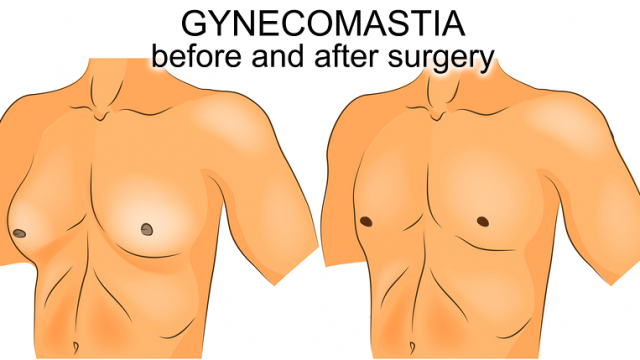
Final Thoughts
Gynecomastia is a real and common condition, but it is often misunderstood. The biggest myths are that it only affects older men, that it always comes from being overweight, or that exercise alone can fix it. The facts show a more complete picture. It can happen at different ages, may have several causes, and sometimes needs medical attention.The good news is that many cases are manageable, and some improve naturally over time. Knowing the difference between myths and facts helps people make better choices and reduces unnecessary worry. If gynecomastia is causing concern, the best step is to speak with a healthcare professional, including consulting the Best Cosmetic Surgeon in Udaipur At Star Hospital Udaipur, and get clear guidance based on the real cause.